
Travel Guide
United States
Overview
The United States is one of the world’s great travel destinations — and one of the most underestimated by the international travelers who visit it.
It’s a country of continental extremes. The glaciers of Alaska and the volcanic beaches of Hawaii. The red rock canyons of Utah and Arizona and the ancient forests of Washington and Oregon. The bayous of Louisiana and the mountains of Montana and Colorado. The neon sprawl of Las Vegas and the quiet charm of Vermont’s covered bridges. The United States contains multitudes — and most visitors, even those who’ve been many times, have barely scratched the surface.
Whether you’re standing on the rim of the Grand Canyon in Arizona, watching the sunrise over Central Park in New York, driving the Pacific Coast Highway in California, eating crawfish in Louisiana, or hiking through Glacier National Park in Montana — the United States delivers a depth and diversity of experience that takes a lifetime to fully explore.
The best way to experience the United States depends entirely on where in the United States you’re going.
Why Travel to the United States?
The United States rewards every type of traveler — and at virtually every budget level, from cross-country road trips sleeping in national park campgrounds to five-star city hotels and luxury wilderness lodges.
Nature and adventure travelers have more here than in almost any country on Earth. The US national park system is one of the great achievements of the American conservation movement — Yellowstone, Yosemite, the Grand Canyon, Zion, Acadia, the Everglades, and dozens more protect some of the most spectacular landscapes in the world. Alaska alone contains more wilderness than most countries — glaciers, fjords, brown bears, and aurora-lit skies in a state so vast it defies comprehension.
Culture and city travelers have New York, Los Angeles, Chicago, New Orleans, Nashville, San Francisco, and Miami — each a world-class destination in its own right, each with a completely distinct identity, food culture, music scene, and energy. Road trip travelers have the open highway — Route 66, the Pacific Coast Highway, the Blue Ridge Parkway, and the Alaska Highway — iconic routes that deliver the American landscape at its most cinematic.
Food travelers have one of the world’s most diverse and evolving culinary landscapes — shaped by immigrant communities, regional traditions, and a restaurant culture that spans everything from legendary BBQ joints in Texas and soul food in Georgia to Michelin-starred tasting menus in New York and California.
When to Go to the United States
The United States spans six time zones and virtually every climate on Earth — meaning there is no single best time to visit the country, only the best time to visit the specific destination you have in mind.
The spring months of April and May and the fall months of September and October are widely considered the best general travel windows — mild temperatures, smaller crowds than summer, and some of the most beautiful seasonal landscapes the country produces. Summer is peak season across most of the country, with national parks, beaches, and cities at their busiest and most expensive. Winter is ideal for ski destinations in Colorado, Utah, and Vermont, and for warm escapes to Florida, Hawaii, and the American Southwest.
Hurricane season affects the Gulf Coast and Southeast from June through November. Tornado season peaks across the Great Plains in spring. Alaska is only fully accessible from May through September. And Hawaii is genuinely a year-round destination with remarkably consistent conditions throughout the year.
Regions of the United States
The United States is most usefully understood through its major geographic and cultural regions. Each has its own climate, landscape, food culture, and travel identity — and understanding them makes planning a trip infinitely easier.
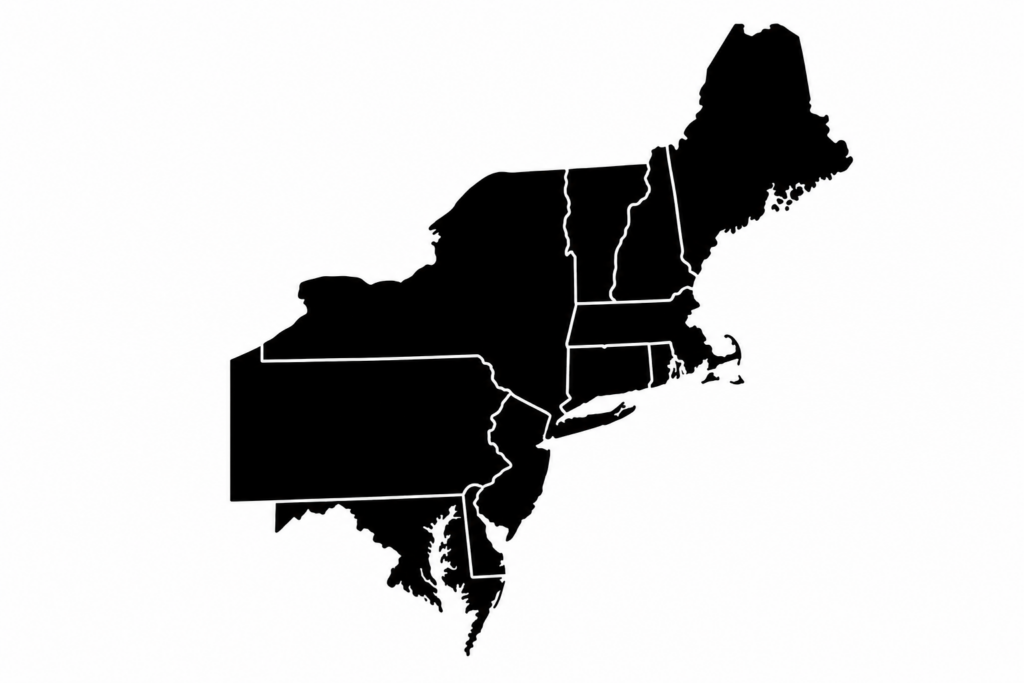
The Northeast
The Northeast is the most densely populated and historically significant region of the United States — home to New York City, Boston, Philadelphia, and Washington D.C., as well as the rugged coastlines of Maine, the fall foliage of Vermont and New Hampshire, and the beach culture of New Jersey and Connecticut. This is where American history was made — and where some of the country’s greatest museums, universities, food scenes, and cultural institutions are concentrated.
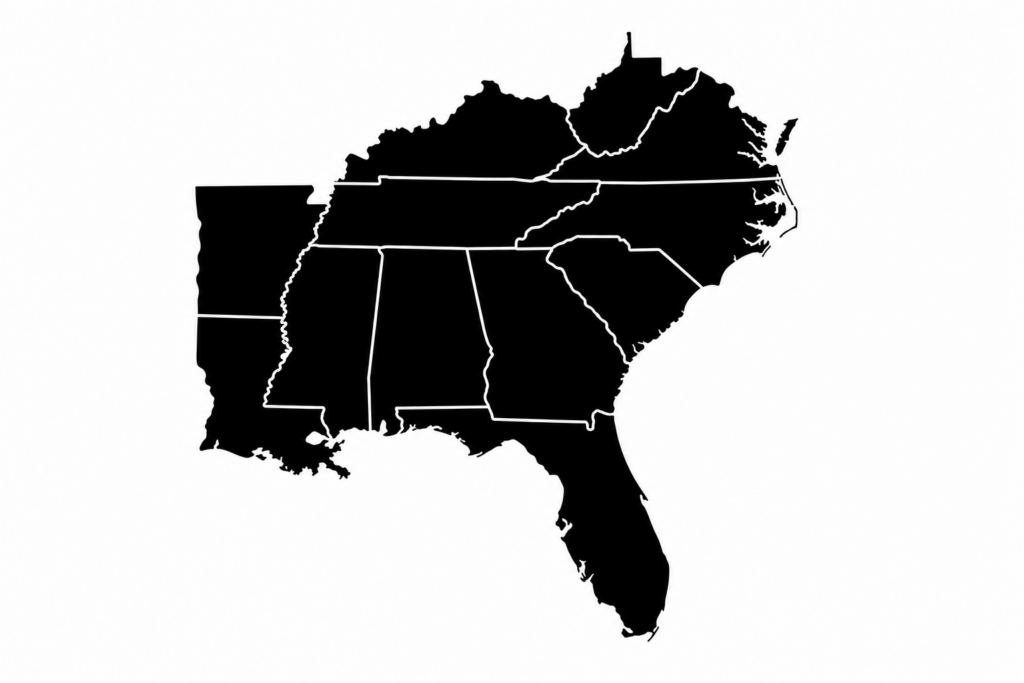
The South
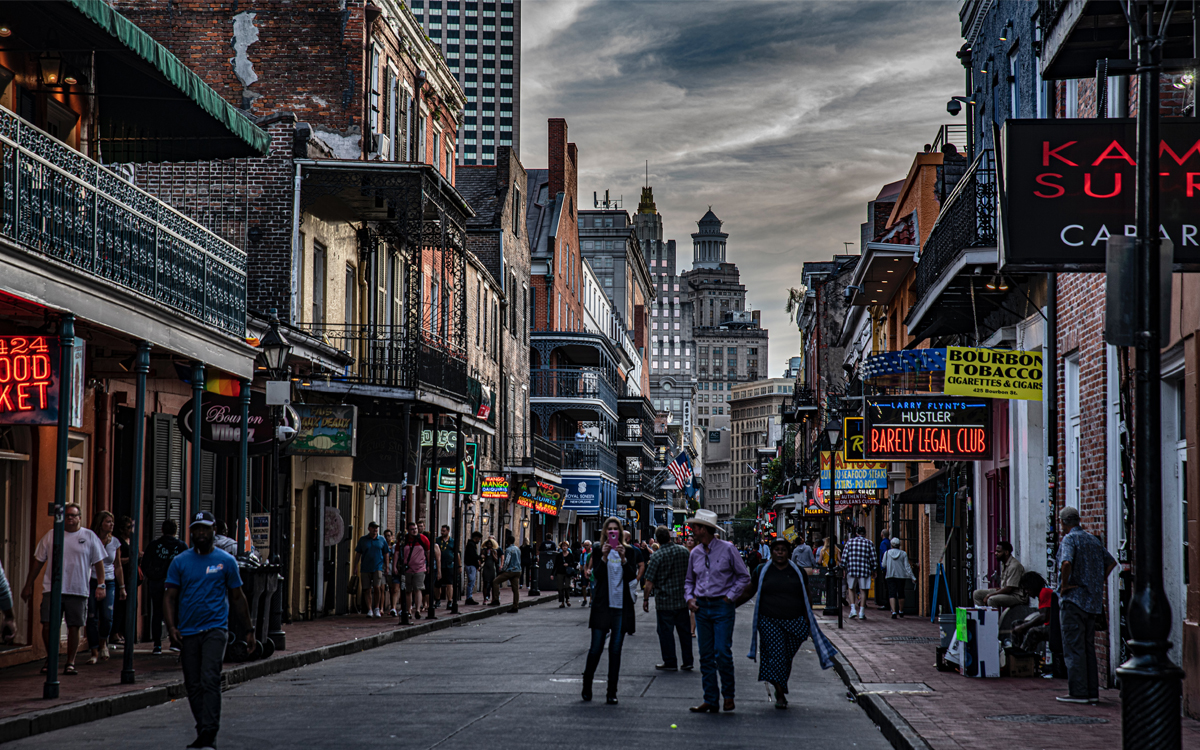
The American South is a region of deep history, extraordinary food, world-defining music, and some of the country’s most distinctive and proud cultural identity. From the French Quarter of New Orleans in Louisiana to the Smoky Mountains of Tennessee and North Carolina, the antebellum architecture of Georgia and South Carolina, and the Gulf Coast beaches of Alabama and Mississippi — this is a region that rewards slow travel and genuine curiosity.
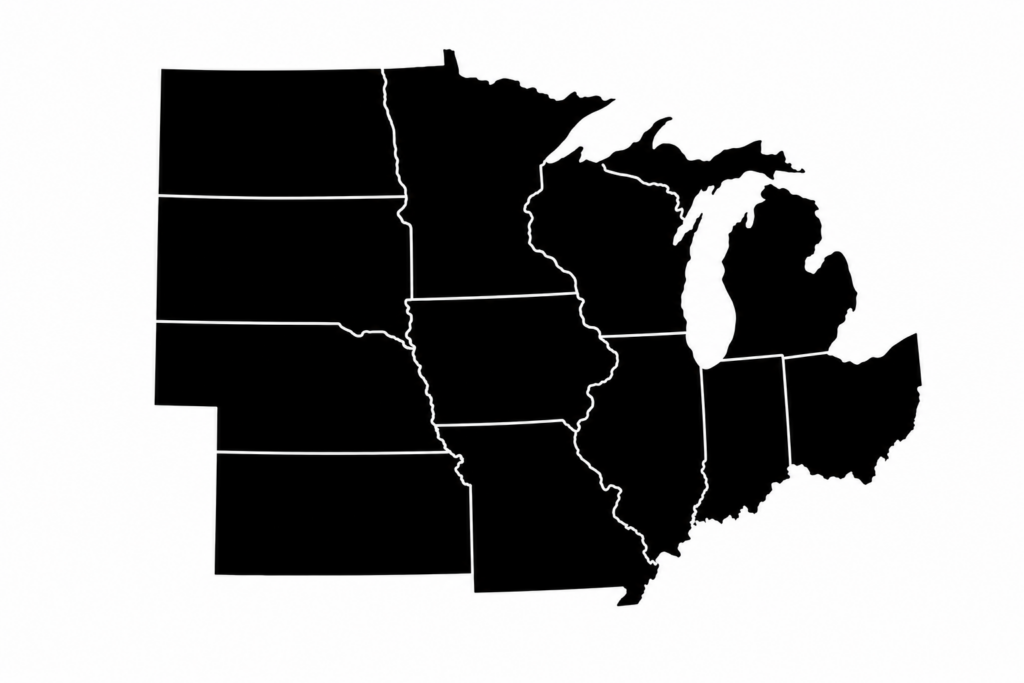
The Midwest
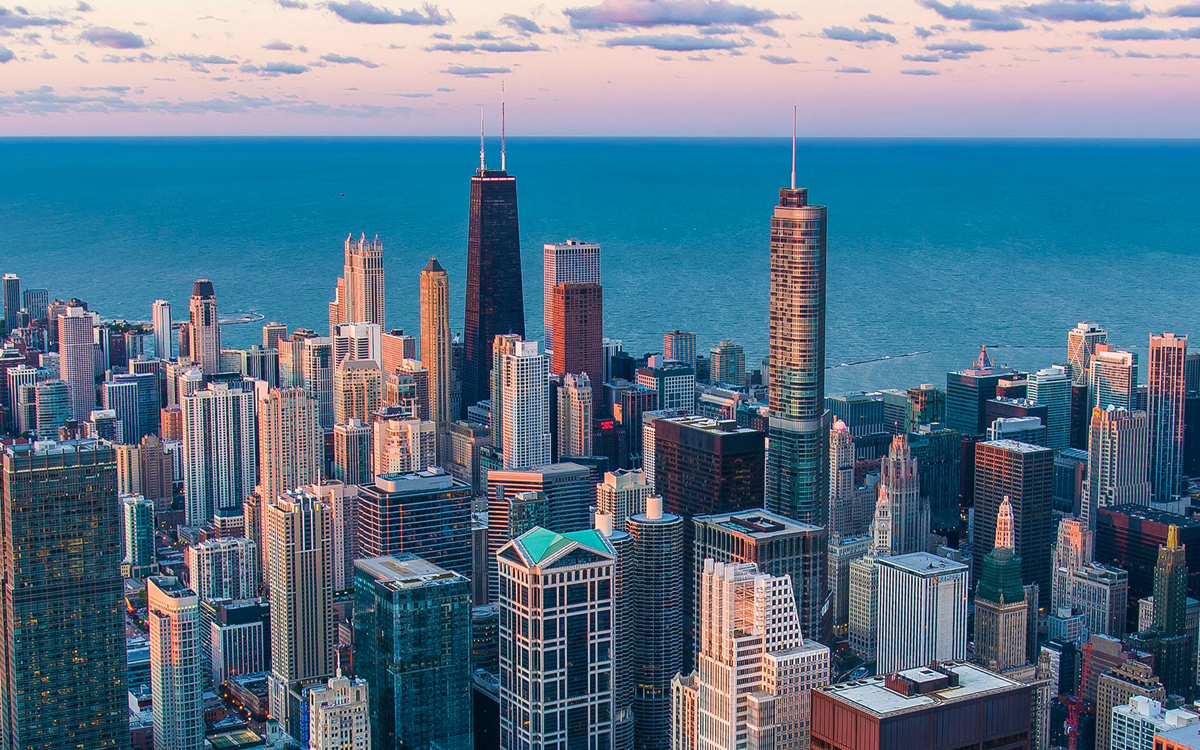
The Midwest is the great underrated region of American travel — a vast stretch of plains, Great Lakes shoreline, river cities, and agricultural heartland that most international visitors fly over without stopping. Illinois’ Chicago is one of the world’s great cities. Minnesota’s Boundary Waters are one of the finest canoe wildernesses in North America. Michigan’s Lake Superior coastline is stunning. Missouri, Wisconsin, and Ohio all have more to offer than their flyover reputation suggests.
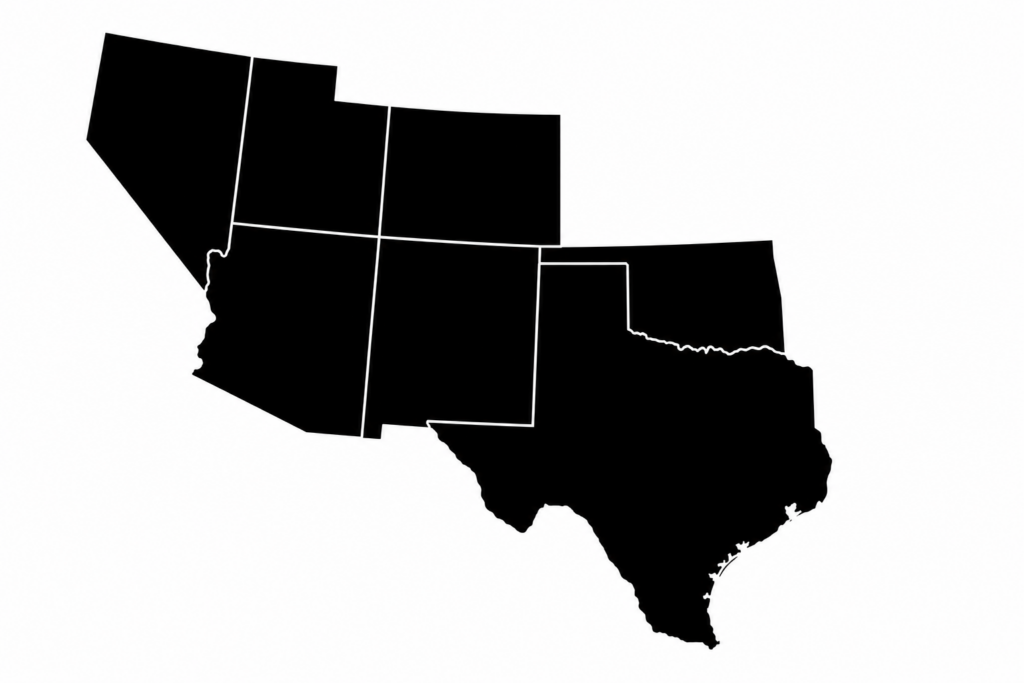
The Southwest
The American Southwest is one of the world’s great landscape destinations — a region of red rock canyons, ancient Native American ruins, saguaro deserts, and skies so big and clear they feel like a different atmosphere. Utah’s Mighty Five national parks, Arizona’s Grand Canyon and Sedona, New Mexico’s Santa Fe and White Sands, and Nevada’s Las Vegas and Great Basin — this is where the American West is at its most dramatic, most ancient, and most cinematic.
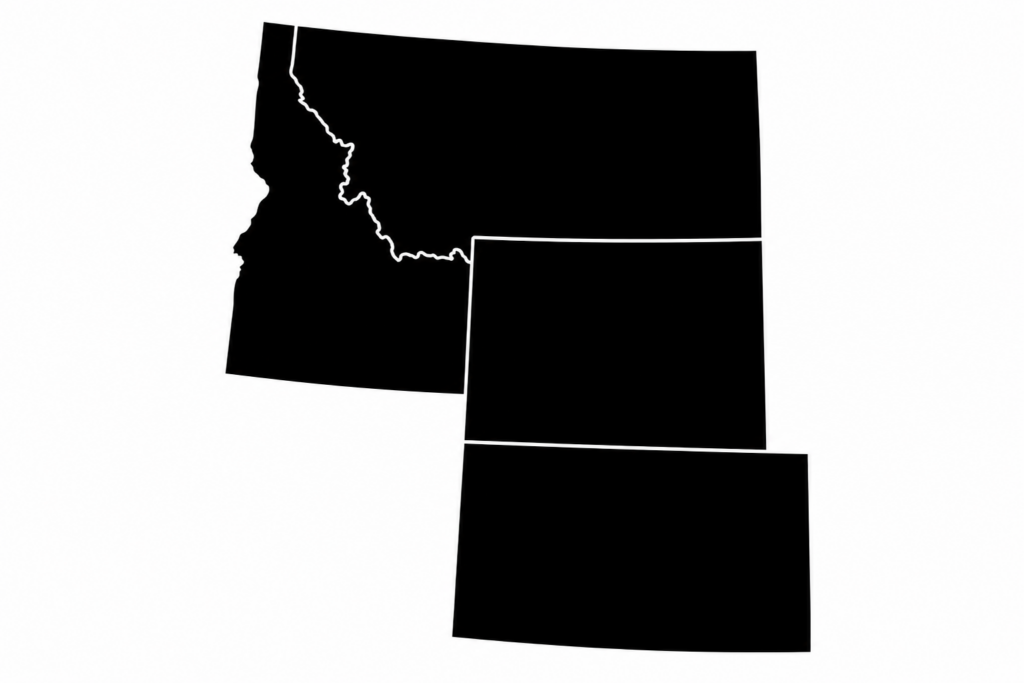
The Mountain West
The Mountain West is the outdoor recreation capital of the United States — a region of towering peaks, world-class ski resorts, vast national parks, and some of the most spectacular wilderness in North America. Colorado’s Rocky Mountains, Montana’s Glacier National Park, Wyoming’s Yellowstone and Grand Teton, and Idaho’s Sawtooth Range define a region where hiking, skiing, rafting, and wildlife watching are a way of life rather than a weekend hobby.
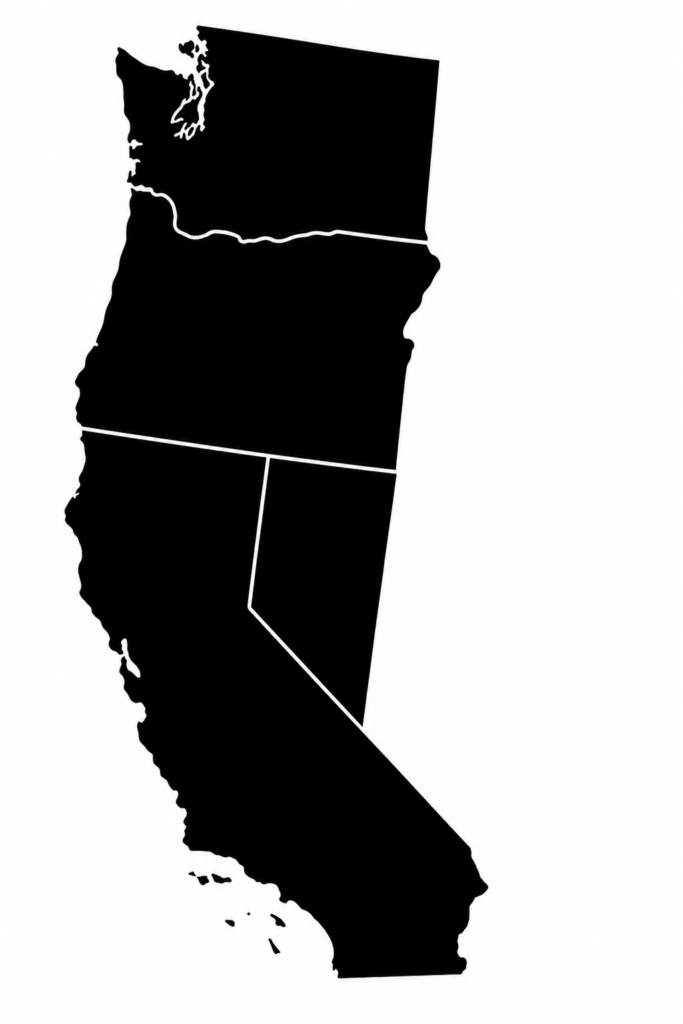
The Pacific Coast
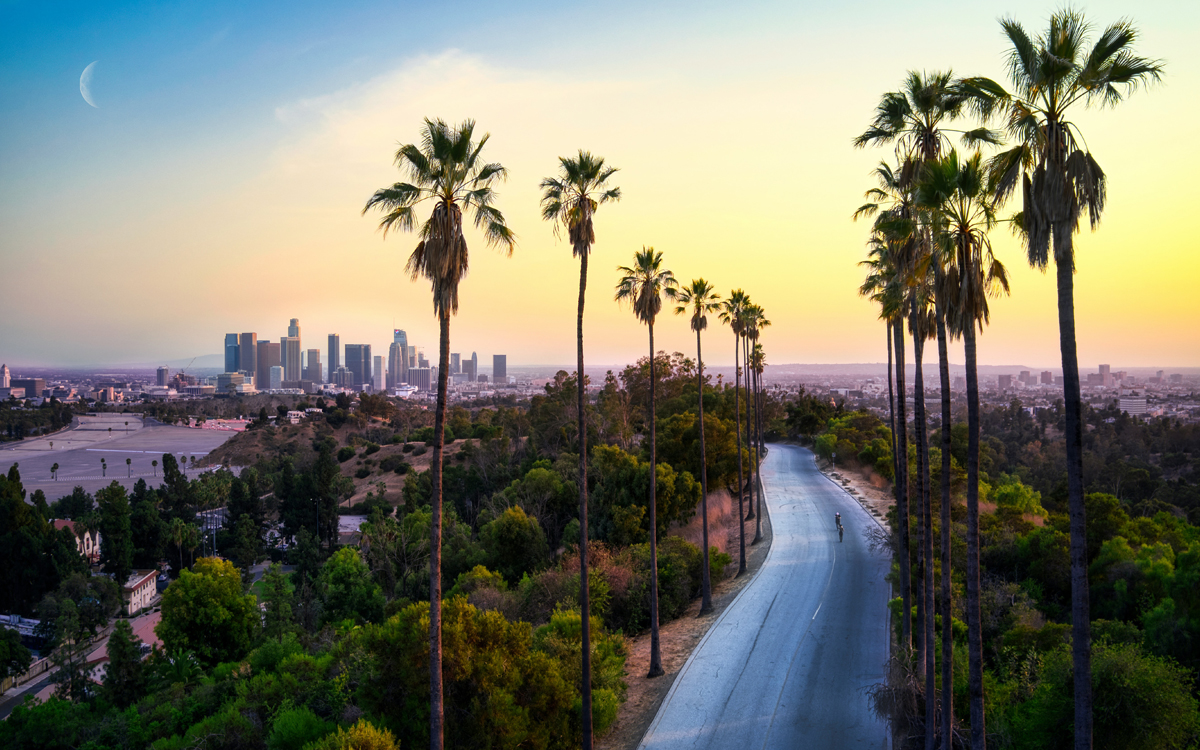
The Pacific Coast stretches from the rainforests of Washington through the wine country and beaches of California — one of the world’s great coastal drives and one of the most culturally and climatically varied stretches of coastline in the world. Seattle, Portland, San Francisco, and Los Angeles each have a distinct identity and food culture. California alone — with its national parks, wine regions, film culture, and 1,350 kilometres of coastline — is a destination that could fill multiple trips.
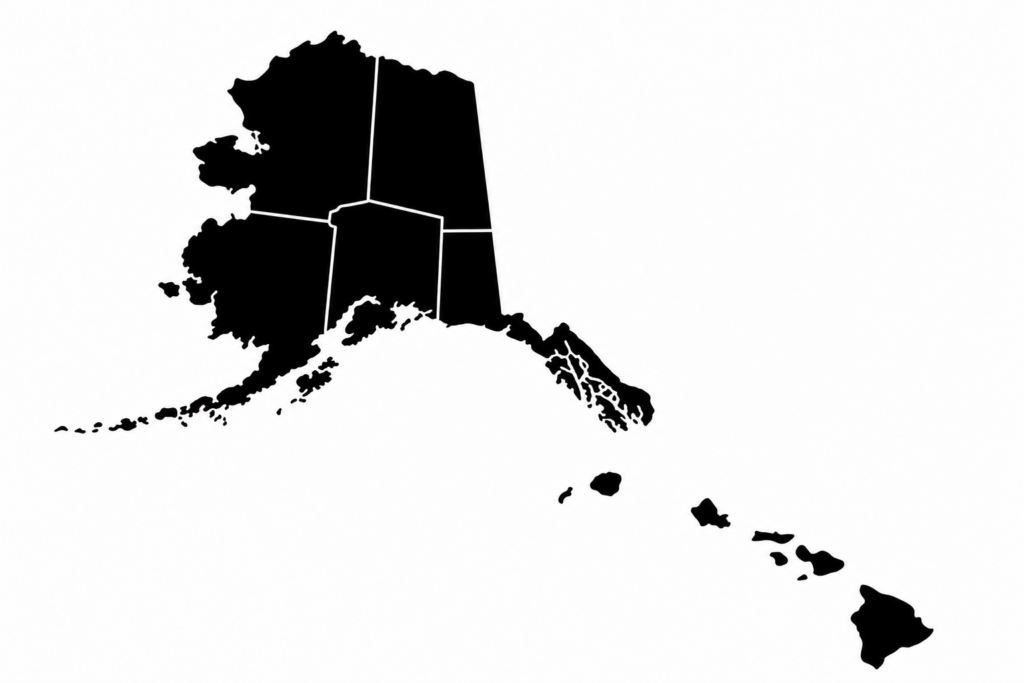
Alaska & Hawaii
Alaska and Hawaii are the United States’ two non-contiguous states — and two of its most extraordinary destinations. Alaska is pure wilderness at a scale that humbles — glaciers calving into the sea, brown bears fishing for salmon, humpback whales breaching in Kenai Fjords, and the northern lights dancing above Fairbanks. Hawaii is the Pacific’s most visited island group — volcanic peaks, coral reefs, surf culture, and a Polynesian heritage that sets it apart from anywhere else under the American flag.
United States by the Numbers
STATES
50
Total area
~9.8 million km²
Population
~335 million
Languages
nglish (de facto national language); Spanish widely spoken; 350+ languages spoken across the country
Ethnic Groups
1,500+
Currencies
US Dollar (USD)
Time Zones
6 (UTC-5 to UTC-10, excluding territories)
Most Visited
New York, Florida, California, Nevada, Hawaii, Texas
Getting to the United States
The United States is one of the world’s most connected countries for international air travel, with major gateway cities serving virtually every global route. Getting here from Canada, Europe, Asia, or Latin America is rarely complicated — and the domestic aviation network means onward connections to any corner of the country are fast and frequent.
Key international gateway airports:
- John F. Kennedy International, New York (JFK) — the primary East Coast gateway; connects to virtually every global city; gateway to the Northeast
- Los Angeles International (LAX) — the primary West Coast gateway; excellent connections from Asia, Australia, and Latin America
- Chicago O’Hare International (ORD) — the country’s central hub; United and American Airlines’ major connecting point for domestic and international routes
- Miami International (MIA) — gateway to the Southeast and primary hub for Latin American connections; American Airlines’ major hub
- San Francisco International (SFO) — secondary West Coast gateway; particularly strong Asia-Pacific connections
- Hartsfield-Jackson Atlanta International (ATL) — the world’s busiest airport by passenger volume; Delta’s home hub; excellent domestic connections across the South and Midwest
- Dallas/Fort Worth International (DFW) — American Airlines’ primary hub; strong connections across the country and internationally
- Seattle-Tacoma International (SEA) — gateway to the Pacific Northwest and Alaska; Alaska Airlines’ hub
Pro tip: The US domestic aviation market is one of the world’s most competitive, and booking domestic flights separately from international legs often yields significantly better prices. Southwest Airlines, Alaska Airlines, and JetBlue are worth comparing against the major carriers for domestic legs — particularly for routes within the South, West, and Northeast respectively.
Where to Stay
The United States has one of the most developed and diverse accommodation markets in the world — from $30-a-night hostels and roadside motels to some of the world’s most iconic luxury hotel properties.
Budget: Budget accommodation in the US ranges from well-equipped hostels in major cities to the iconic American road trip staple of the roadside motel — functional, affordable, and perfectly suited to self-drive travel. Expect $30–80/night for budget options depending on location, with major cities at the higher end. Camping in the national park system is one of the great budget travel experiences in the country — many campgrounds book out months in advance for peak season.
Mid-range: The US has an excellent mid-range hotel market, with well-known chains like Marriott, Hilton, Hyatt, and IHG offering reliable, comfortable options at $120–250/night across most cities and regions. Boutique hotels are thriving in cities like Nashville, Austin, Charleston, and Portland, offering strong local character at competitive prices.
Luxury: The United States competes with anywhere in the world at the luxury end. New York City’s Plaza, The Mark, and Aman New York. Los Angeles’ Chateau Marmont and Hotel Bel-Air. Chicago’s Waldorf Astoria. The wilderness lodges of Wyoming and Montana. Hawaii‘s Four Seasons resorts. Expect $400–2,000+/night for the country’s top-end properties.
Unique stays: National park lodges including the historic El Tovar at the Grand Canyon and Old Faithful Inn at Yellowstone · Dude ranches in Montana, Wyoming, and Colorado · Historic plantation houses in the American South · Treehouse resorts in Washington and Oregon · Houseboat rentals on Tennessee‘s Dale Hollow Lake · Glamping across the Southwest
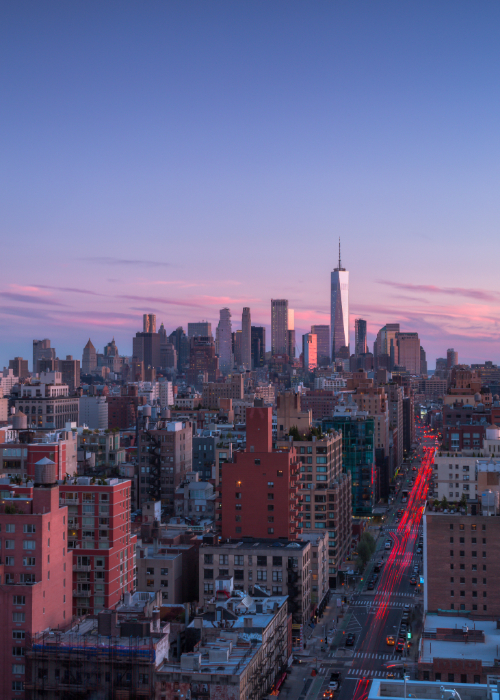
Featured Cities


Getting Around
The United States is a country built around the car — and getting around efficiently requires understanding which mode of transport works best for each type of trip.
Road trips & rental car: The quintessential American travel experience. The US has one of the world’s most extensive highway networks, and self-driving is the best way to explore national parks, coastal routes, wine regions, and rural destinations that no other transport option reaches. Rental cars are widely available and competitively priced — book in advance for peak season.
Domestic flights: Essential for covering the country’s vast distances. The domestic aviation market is extremely competitive and well-developed, with hundreds of routes connecting every corner of the country. Book early for the best prices — last-minute domestic fares can be expensive.
Amtrak trains: The US is not a train country by global standards, but Amtrak offers some genuinely scenic and enjoyable long-distance routes — the California Zephyr from Chicago to San Francisco, the Coast Starlight from Los Angeles to Seattle, and the Empire Builder from Chicago to Seattle among the most celebrated. Train travel is slower and often pricier than flying but offers an experience of the American landscape that no other transport provides.
City public transit: Public transport quality varies enormously by city. New York City’s subway system is extensive and runs 24 hours. Chicago, Boston, Washington D.C., and San Francisco all have reliable rail-based transit systems. Most other American cities are car-dependent, with limited or unreliable public transport — plan accordingly.
Rideshare: Uber and Lyft are ubiquitous across virtually every American city and town, and are the most convenient option for getting around urban areas without a car. Prices vary significantly by demand — surge pricing during peak hours and events can make rideshare expensive in major cities.
Bus: Greyhound and FlixBus connect many cities across the country at budget prices. Bus travel is significantly slower than flying but can be a cost-effective option for shorter intercity routes, particularly in the Northeast corridor.
Things to Do
The United States’ range of experiences spans from the world’s most iconic landmarks to some of its most remote and untouched wilderness. A shortlist of the unmissable:
National parks & nature: Grand Canyon · Yellowstone’s geysers and wildlife · Yosemite’s granite walls · Zion and Bryce Canyon’s red rock landscapes · Glacier National Park · Great Smoky Mountains · Everglades airboat tours · Acadia’s rugged Maine coastline · Denali in Alaska · Hawaii Volcanoes National Park
Cities & culture: New York City’s neighborhoods, museums, and skyline · New Orleans’ French Quarter and jazz culture · Chicago’s architecture and deep-dish pizza · Nashville’s live music scene · San Francisco’s Golden Gate and waterfront · Miami’s Art Deco district and nightlife · Los Angeles’ film culture and beaches · Austin’s food trucks and music · Savannah’s Spanish moss and history
Adventure & outdoors: Skiing in Colorado and Utah · Surfing in Hawaii and California · White-water rafting in West Virginia and Colorado · Hiking the Appalachian Trail · Sea kayaking in Alaska · Stargazing in New Mexico and Wyoming · Sandboarding in Colorado’s Great Sand Dunes
Road trips: Pacific Coast Highway through California · Route 66 from Chicago to Los Angeles · Blue Ridge Parkway through Virginia and North Carolina · Going-to-the-Sun Road in Montana · Utah’s national park loop · The Florida Keys Highway · Alaska Highway
Food & drink: Texas BBQ · New Orleans Creole and Cajun cooking · Maine lobster · Kentucky bourbon trail · Napa Valley wine tasting · Memphis ribs · Chicago deep-dish · New York bagels and pizza · Charleston’s Lowcountry cuisine · Oregon and Washington craft beer and wine
Food & Drink
American food is far more complex, regional, and celebrated than its global fast-food reputation suggests — and eating your way across the United States is one of the great underrated culinary journeys in the world.
The South is the soul of American food culture. Louisiana‘s Creole and Cajun traditions — gumbo, jambalaya, crawfish étouffée, beignets — represent one of the most distinct and delicious regional cuisines in the country. Tennessee and Texas BBQ are subjects of near-religious devotion — slow-smoked brisket, pulled pork, and ribs that require no embellishment. Georgia and South Carolina‘s Lowcountry cuisine — shrimp and grits, she-crab soup, fried green tomatoes — is among the most satisfying regional food in America.
The Northeast has a food culture built on its coastal geography and immigrant heritage. Maine‘s lobster rolls and clam chowder are iconic. New York City’s food scene is one of the most diverse on Earth — pizza, bagels, Jewish deli food, and an extraordinary range of immigrant cuisines from every country in the world. Massachusetts and Connecticut have their own distinct seafood traditions and a thriving farm-to-table restaurant culture.
The Southwest and West are where American food is most dynamic and fastest-evolving. California‘s farm-to-table movement, its extraordinary produce, and its deep Mexican and Asian culinary influences have shaped modern American cooking more than any other state. Texas‘ Tex-Mex is a cuisine in its own right. New Mexico‘s green and red chile culture is one of America’s most distinctive regional food traditions.
The Midwest punches above its weight — Chicago is a world-class restaurant city, with a deep-dish pizza tradition, an exceptional steakhouse scene, and some of the finest fine dining in the country. Wisconsin‘s cheese culture is genuine and celebrated. Minnesota‘s Scandinavian food heritage adds a distinct flavor to the region.
Drink culture: Kentucky‘s bourbon trail is a world-class spirits destination. Oregon and Washington produce some of the finest Pinot Noir and Riesling in the world. California‘s Napa and Sonoma valleys are globally recognized wine destinations. The American craft beer movement — born in Colorado, Oregon, and Vermont — has transformed the country’s brewing culture into one of the most exciting in the world.
Safety in the United States
The United States is a safe destination for the vast majority of international travelers — but it’s a large and complex country, and safety varies significantly by city, neighborhood, and region. Millions of international visitors travel the country every year without incident, and the most popular tourist destinations are well-managed and well-equipped for visitors.
Generally very safe: National parks and rural areas, small towns across Vermont, Maine, and Montana, resort areas in Hawaii and Colorado, and tourist corridors in major cities are generally safe and well-policed.
Safe with standard precautions: Major cities including New York, Los Angeles, Chicago, Miami, and New Orleans all have areas that require standard urban awareness — don’t flash valuables, be aware of your surroundings at night, and research specific neighborhoods before exploring. Tourist areas in all of these cities are generally safe.
Natural hazards: The US has a range of significant natural hazards that travelers should be aware of — hurricanes along the Gulf and Southeast coasts (June–November), tornadoes across the Great Plains (spring), wildfires in California, Oregon, and Washington (summer–fall), extreme heat in the Southwest, and avalanche risk in mountain states in winter.
Common sense across the United States:
- Research specific neighborhoods before visiting — every major American city has areas that are best avoided, particularly at night
- The US does not have universal public healthcare — comprehensive travel insurance with medical coverage is essential, as healthcare costs without insurance are extraordinarily high
- Be aware of and respect local laws — gun laws, drug laws, and alcohol regulations vary significantly by state
- In national parks and wilderness areas, follow Leave No Trace principles and always inform someone of your hiking plans
- Tipping is not optional in the US — it is a standard and expected part of service culture; not tipping is considered rude and significantly impacts workers’ income
Currency
The United States uses the US Dollar (USD) exclusively — one of the great logistical simplicities of American travel compared to multi-country trips elsewhere. The dollar is universally accepted across all 50 states and US territories, and as the world’s primary reserve currency, exchanging it from virtually any other currency is straightforward.
Cash vs card: The United States is one of the world’s most card-friendly countries — credit and debit cards are accepted virtually everywhere, and contactless payments and mobile pay (Apple Pay, Google Pay) are widely supported. That said, cash remains useful for tips, farmers markets, food trucks, smaller businesses, and vending situations. Carrying $50–100 in small bills is generally sufficient for most trips.
ATMs: ATMs are available on virtually every city block and in most rural towns. Bank-operated ATMs (Chase, Bank of America, Wells Fargo, Citibank) generally charge lower fees than independent machines. International visitors should check their home bank’s foreign transaction and ATM withdrawal fee policies before traveling — these can add up significantly over a long trip.
Tipping culture: Tipping in the United States is not optional — it is an embedded cultural expectation that forms a significant portion of service workers’ income. Standard tipping rates: restaurants 18–22% (pre-tax); bartenders $1–2 per drink or 15–20%; hotel housekeeping $2–5/night; taxi and rideshare 15–20%; tour guides 15–20%; valet parking $2–5. Failure to tip appropriately is considered disrespectful and causes real financial harm to workers who depend on it.
Costs: The United States spans an enormous range of costs depending on destination and travel style. New York City, San Francisco, and Hawaii are among the most expensive destinations in the country — mid-range travel in these cities runs $250–400/day including accommodation, food, and activities. Mid-size cities and rural destinations are significantly more affordable — comfortable travel across much of the South, Midwest, and Mountain West is possible at $120–200/day. National park road trips, particularly with camping, offer some of the best-value travel experiences in the country.