
Travel Guide
Mexico
Overview
Mexico is one of the world’s most visited travel destinations — and once you’ve been, it’s easy to understand why people keep coming back.
It’s a country of ancient ruins and colonial cities, of Pacific surf breaks and Caribbean coastlines, of street tacos eaten on plastic stools and Michelin-worthy dining in the middle of a desert. From jungle cenotes and mezcal-soaked nightlife to quiet beach towns and remote mountain villages, Mexico delivers a depth of experience that takes a lifetime to fully explore.
Whether you’re dreaming of watching the sunrise over the pyramids at Teotihuacan, swimming in cenotes in Yucatán, lounging on the beaches of Los Cabos, or wandering the colorful streets of Oaxaca — Mexico is where travelers go to be surprised, fed well, and completely captivated.
Why Travel to Mexico?
Mexico offers something for every type of traveler. Budget travelers can get remarkably far on a small amount, with affordable street food, buses, and guesthouses available across almost every region. Mid-range travelers will find boutique hotels, incredible food, and a well-developed tourism infrastructure, while luxury seekers can indulge in private villas, world-class spa resorts, and cliffside hotels in places like Tulum, San Miguel de Allende, and Puerto Vallarta.
Food lovers will find one of the world’s most complex and celebrated cuisines — rooted in Indigenous traditions and shaped by thousands of years of history. Culture seekers can explore ancient Mesoamerican civilizations, Spanish colonial architecture, vibrant festivals, and one of the richest art traditions in the Western Hemisphere.
It’s also one of the most accessible international destinations for North American travelers, with hundreds of direct flights, no time zone shock for most US and Canadian visitors, and a tourism infrastructure that makes it easy to navigate — whether it’s your first international trip or your fiftieth.
When to Go to Mexico
Mexico doesn’t have one perfect travel season—it has several, shaped by altitude, coastlines, deserts, jungles, and regional weather patterns. The dry season from November to April is generally the most popular time to visit, bringing sunny beach days to the Yucatán and Baja, comfortable temperatures in Mexico City and the colonial highlands, and incredible wildlife experiences like gray whale season in Baja and monarch butterflies in Michoacán. Spring offers warm weather, festivals, and blooming mountain landscapes, while summer transforms southern jungles and tropical regions into lush, vibrant green landscapes, often with afternoon rain. Hurricane season typically runs from June through October along the Caribbean and parts of the Pacific, making timing especially important for beach trips and island escapes.
The best time to visit Mexico depends entirely on where in Mexico you’re going.
Regions of Mexico
Mexico is far larger and more varied than most travelers expect. Understanding its major regions makes planning a trip infinitely easier — and helps you choose the experience that’s actually right for you, whether that’s a beach escape, a cultural deep-dive, or an adventure-filled road trip.
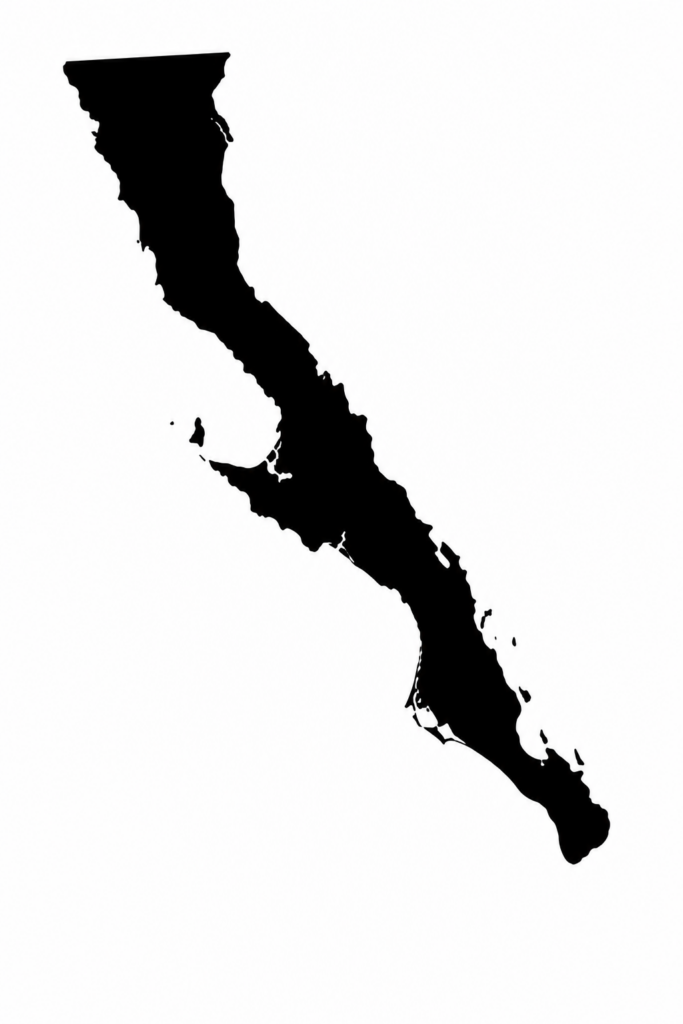
Baja California
Baja California is a long, rugged peninsula stretching south from San Diego, bordered by the Pacific Ocean on one side and the Sea of Cortez on the other. It’s one of Mexico’s most distinct regions — known for dramatic desert landscapes, world-class sport fishing, whale watching, surf breaks, and the resort towns of Los Cabos at its southern tip. Baja offers a quieter, more adventure-focused experience than Mexico’s resort coasts, with incredible wildlife and seafood culture throughout.
Pacific Coast
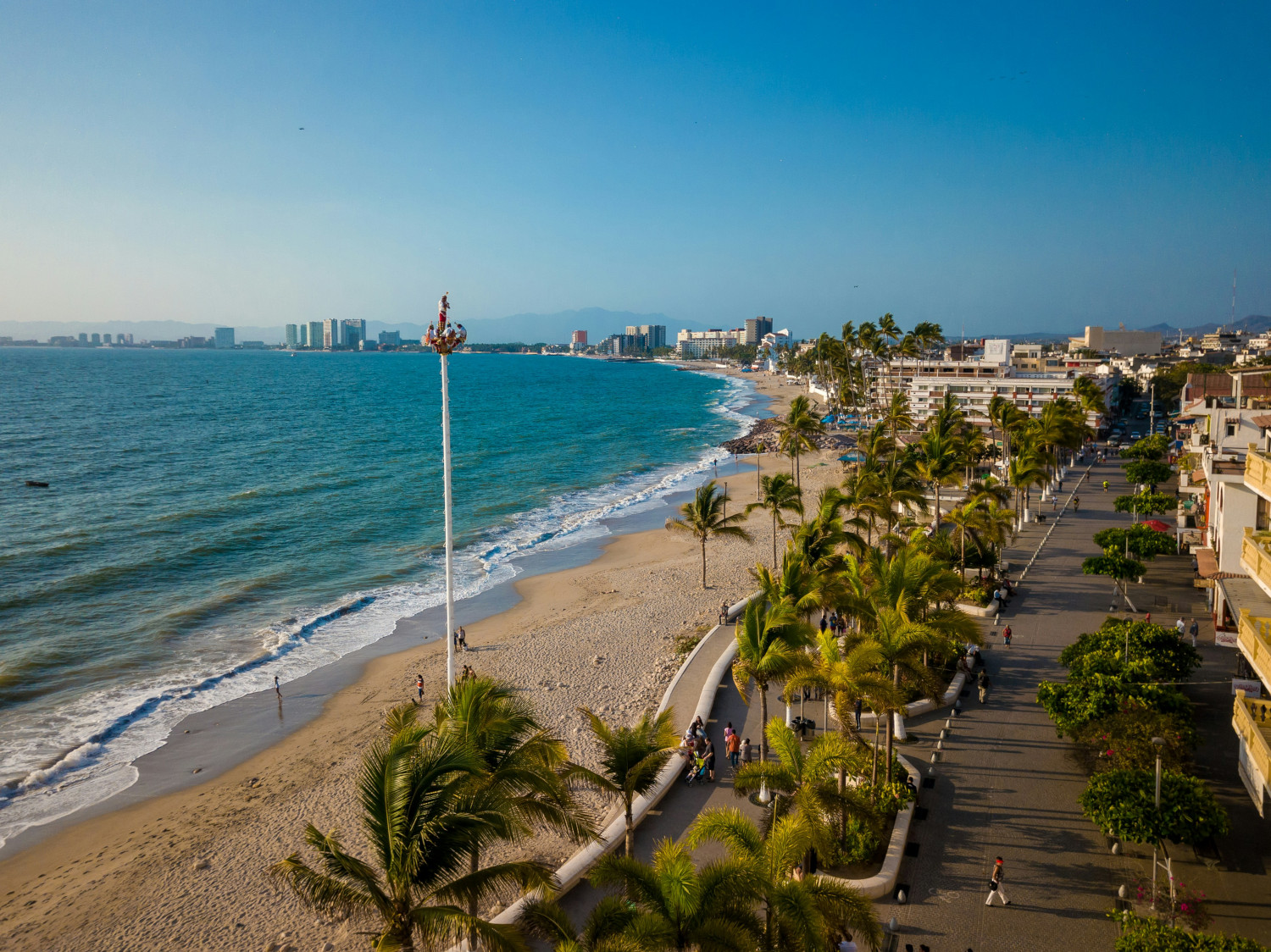
Mexico’s Pacific Coast stretches from the US border to the tip of Baja and down through Jalisco, Nayarit, and beyond. This region is home to some of Mexico’s most beloved beach destinations — Puerto Vallarta, Mazatlán, and Sayulita among them. The Pacific coast is known for strong surf, laid-back beach towns, and a thriving food and nightlife scene. It’s a favorite for travelers seeking something more authentic than the Cancún resort strip.
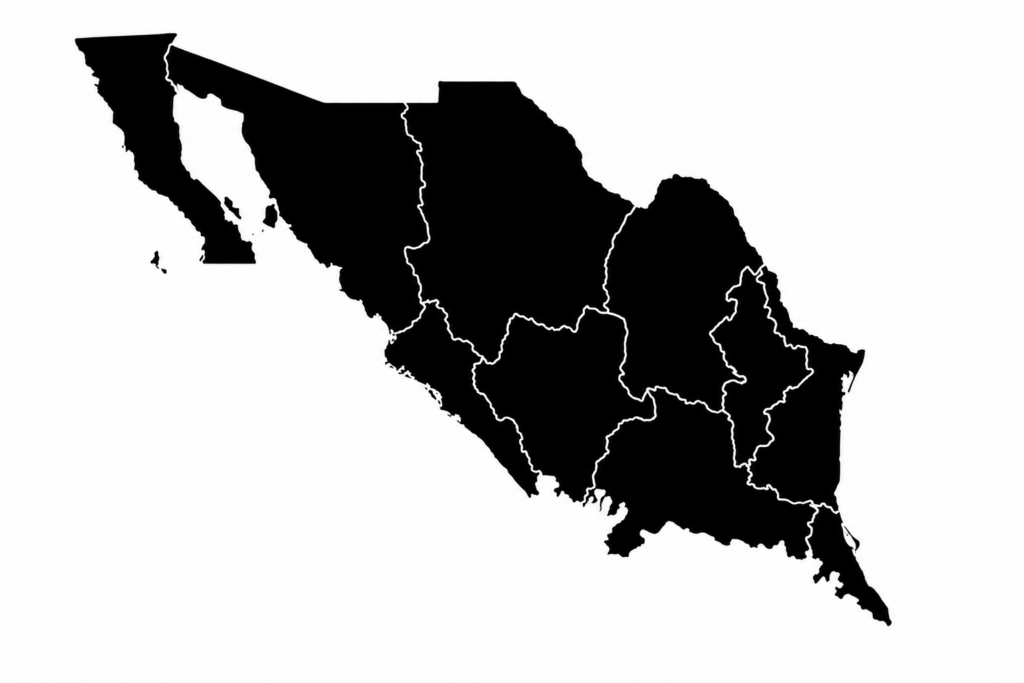
Northern Mexico
Northern Mexico is a vast, rugged region stretching from the US border through the states of Sonora, Chihuahua, Coahuila, Nuevo León, Tamaulipas, Durango, and Zacatecas. It’s a land of dramatic contrasts — the spectacular Copper Canyon, the industrial energy of Monterrey, the seafood-rich shores of Sonora, and border cities with their own distinct culture and character. It’s not a region built for traditional tourism, but for travelers who want something raw, expansive, and completely off the beaten path.
Sonora, Chihuahua, Coahuila, Nuevo León, Tamaulipas, Durango
Central Highlands
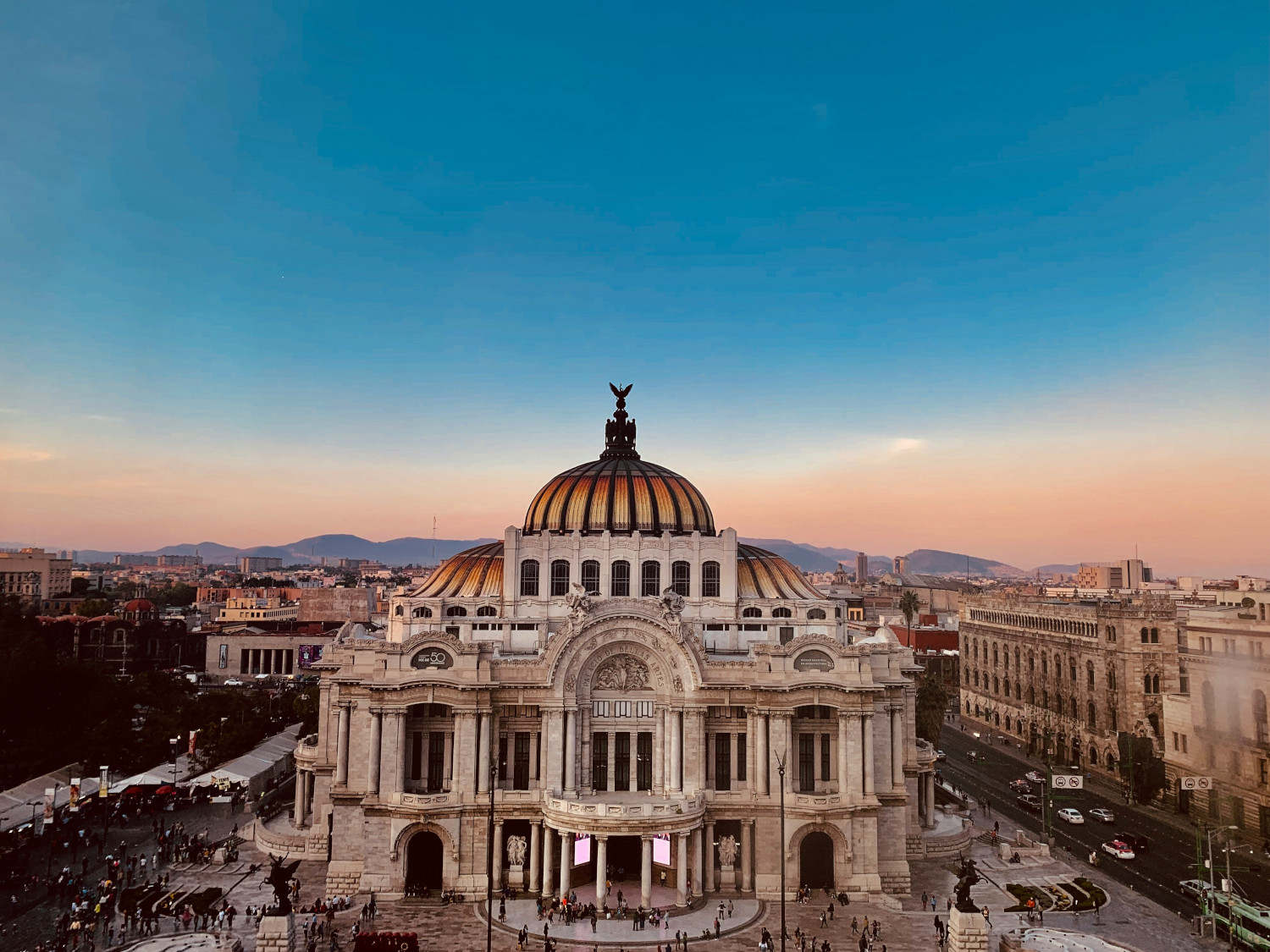
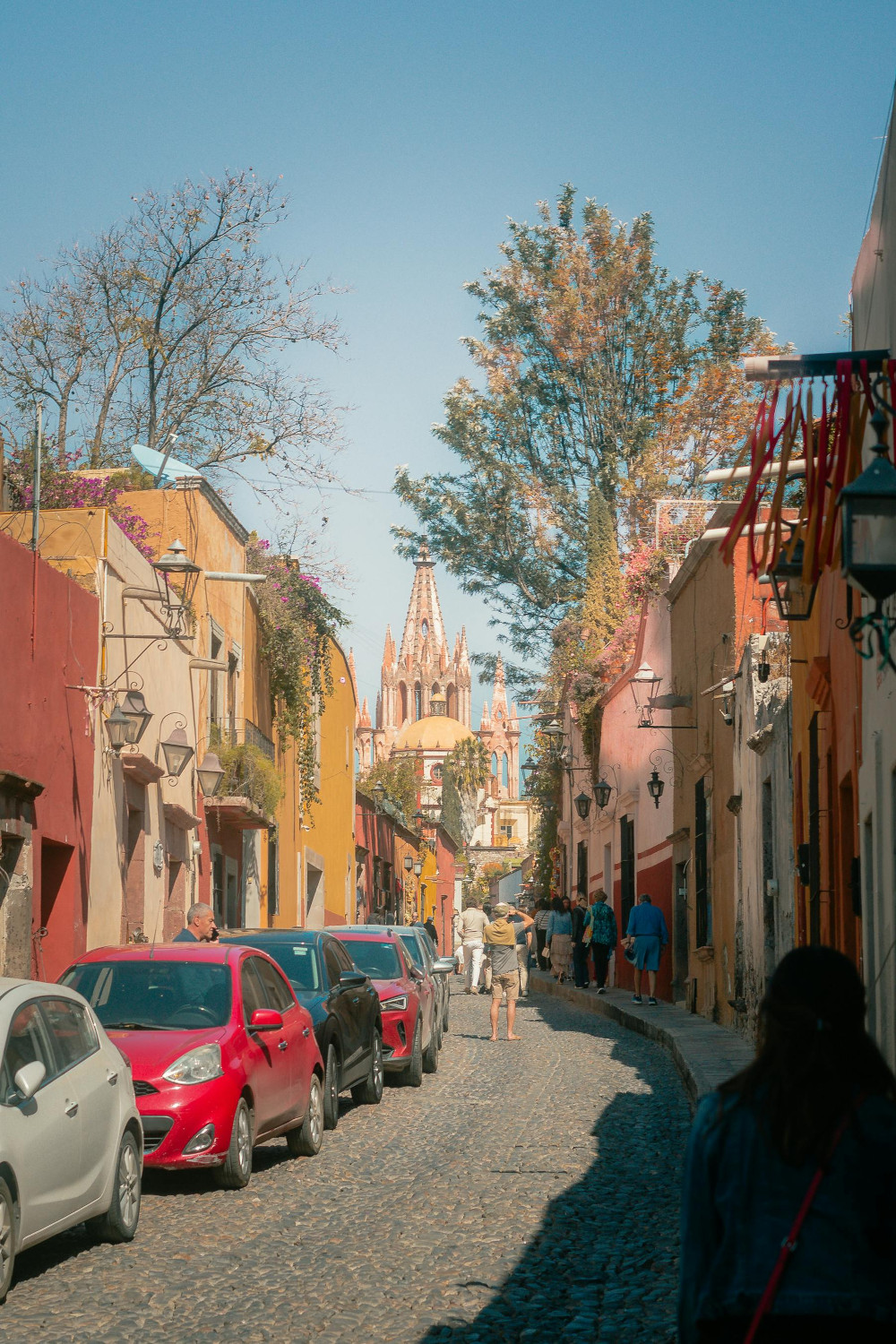
The Central Highlands form the cultural and historical heart of Mexico — a high-altitude region of colonial cities, world-renowned food, ancient ruins, and a creative energy unlike anywhere else in the country. This is where you’ll find Mexico City’s sprawling metropolis, Oaxaca’s celebrated culinary scene, the painted streets of Guanajuato, and the artisan markets of San Miguel de Allende. It’s the region that rewards slow travel most, with layers of history and culture around every corner.
Mexico City, México (State of Mexico), Puebla, Oaxaca, Guanajuato, Querétaro, Aguascalientes, San Luis Potosí, Zacatecas, Michoacán, Morelos, Hidalgo, Tlaxcala
Gulf Coast
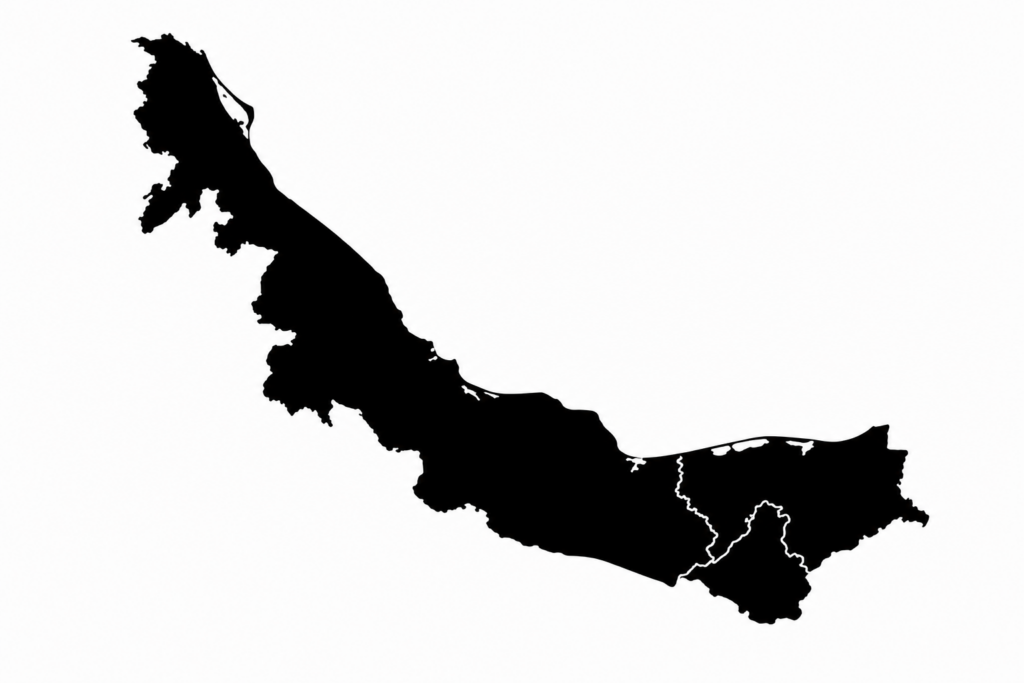
Mexico’s Gulf Coast is one of its most overlooked regions — a stretch of tropical lowlands, river deltas, and colonial port cities running through Veracruz and Tabasco. Veracruz is the cultural soul of the coast, with a rich Afro-Mexican music tradition, incredible seafood, and a lively port city energy that sets it apart from anywhere else in Mexico. Tabasco, home to the ancient Olmec civilization, adds archaeological depth to a region that most travelers pass through without stopping — a mistake worth correcting.
Chiapas & the South
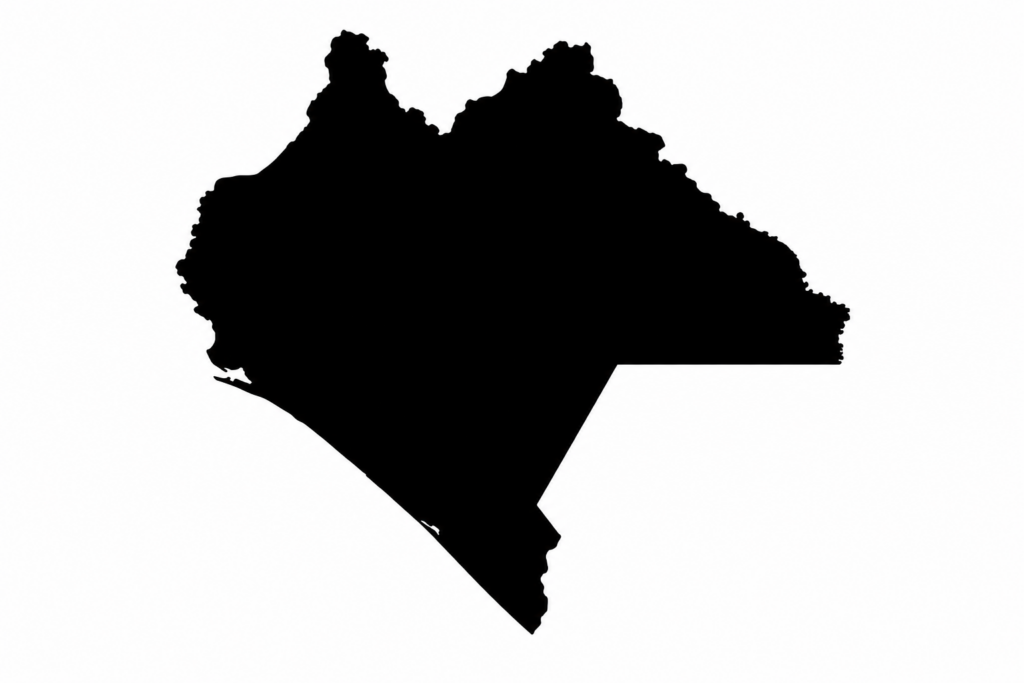
Chiapas is one of Mexico’s most dramatically beautiful and least-visited regions — a place of jungle-covered Maya ruins, cloud forests, Indigenous communities, and some of the most breathtaking natural scenery in the country. The Sumidero Canyon, the waterfalls of Agua Azul, the ruins of Palenque, and the colonial charm of San Cristóbal de las Casas make this a deeply rewarding destination for travelers willing to go a little further off the beaten path.
Yucatán Peninsula
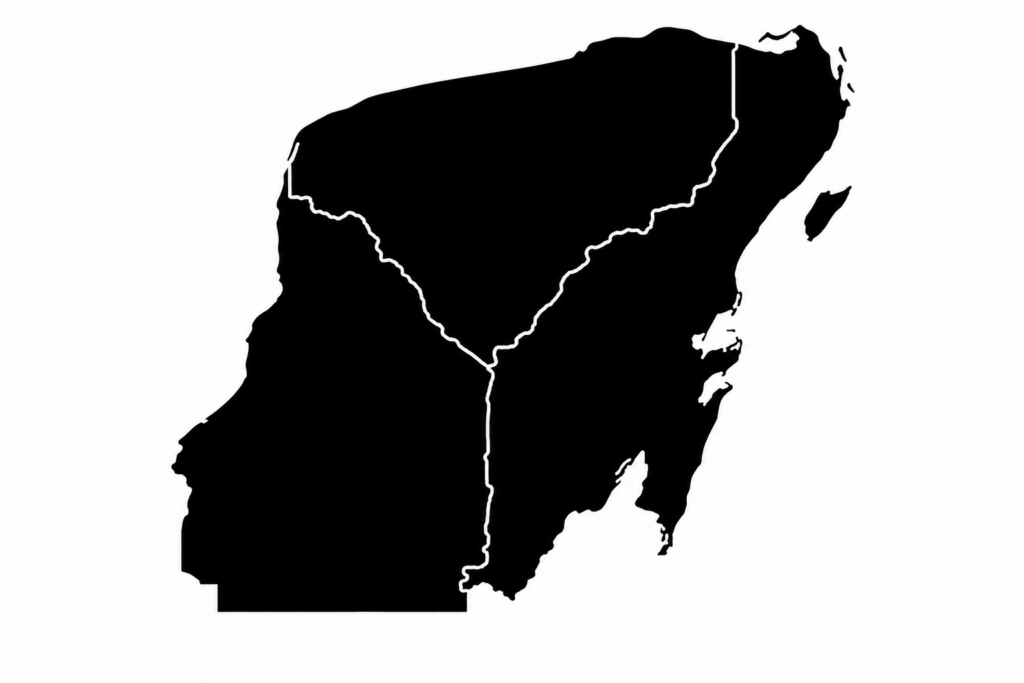
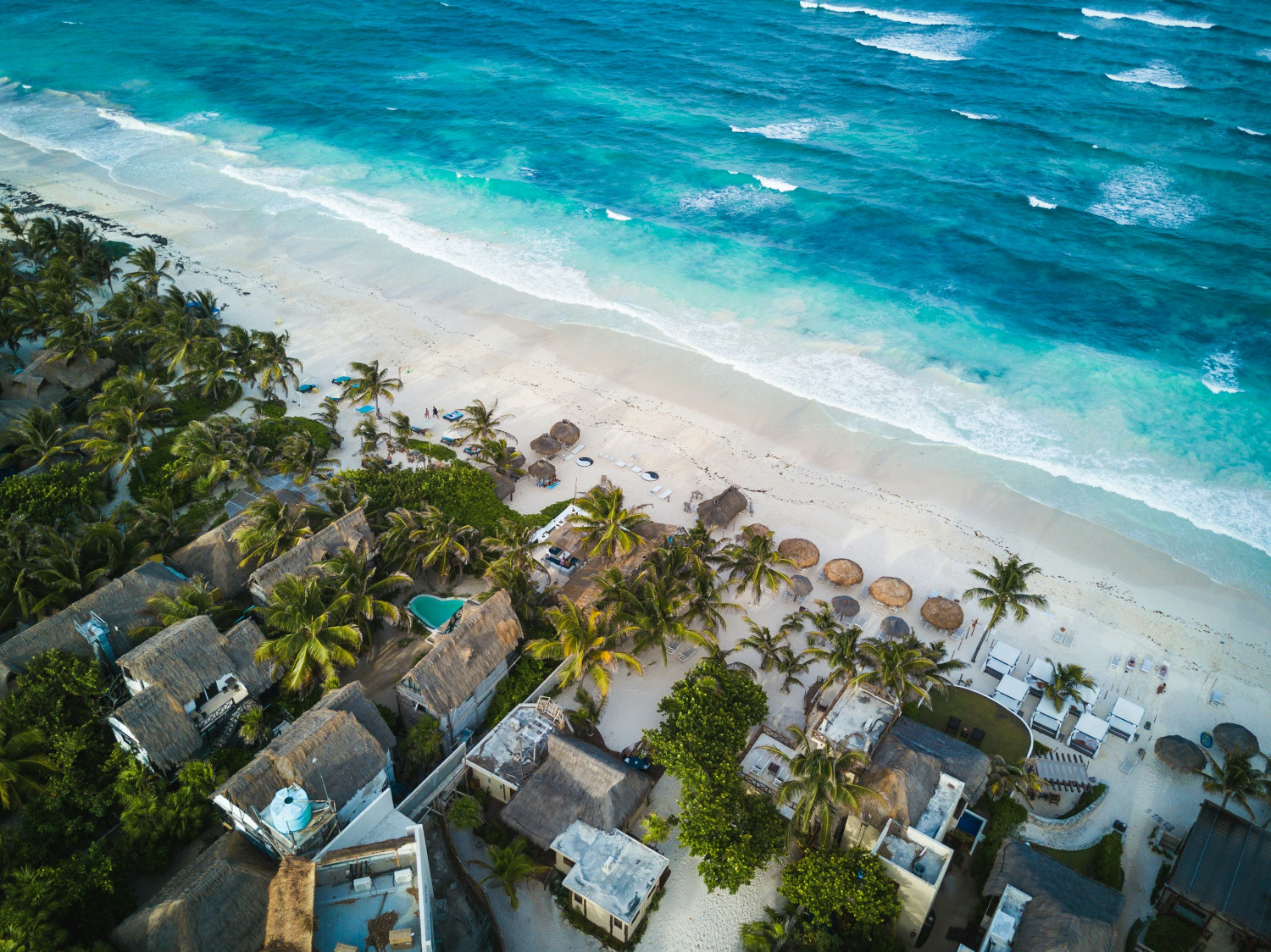
The Yucatán Peninsula is Mexico’s most visited region — home to Cancún, the Riviera Maya, Tulum, and some of the most significant Maya ruins in the world. The region is defined by turquoise Caribbean water, white-sand beaches, cenotes, and a fascinating blend of ancient civilization and modern tourism. Whether you’re looking for a party, a beach escape, an eco-adventure, or a cultural deep-dive into Maya history, the Yucatán has it.
Mexico by the Numbers
States
32
Total area
~1.96 million km²
Population
~130 million
Languages
Spanish (official); 68 recognized Indigenous languages
Ethnic Groups
Mestizo, Indigenous, European, and other heritage
Currencies
Mexican Peso (MXN)
Time Zones
4 (UTC-5 to UTC-8)
Most Visited
Cancún, Mexico City, Los Cabos, Puerto Vallarta, Tulum
Getting to Mexico
Mexico is one of the most well-connected destinations in the Americas, with major international airports serving virtually every region of the country. Flights from the US, Canada, and Europe are frequent and competitive, with dozens of airlines offering direct routes to both resort destinations and major cities.
Key gateway airports:
- Cancún International (CUN) — Mexico’s busiest tourist airport; gateway to the Riviera Maya, Tulum, and the Yucatán Peninsula
- Benito Juárez International (MEX) — Mexico City’s massive hub; connects to the entire country and major international routes
- Los Cabos International (SJD) — Gateway to Baja’s southern tip; strong connections from US West Coast cities
- Puerto Vallarta International (PVR) — Main entry point for the Pacific Coast and the Banderas Bay region
- Guadalajara International (GDL) — Mexico’s second-largest city; hub for central-western Mexico travel
- Mérida International (MID) — Growing regional hub for Yucatán cultural travel outside the resort corridor
Pro tip: Mexico has an extensive domestic flight network, with airlines like Aeromexico, VivaAerobus, and Volaris connecting cities quickly and affordably. Buses are also a surprisingly comfortable and cost-effective way to travel between major destinations — particularly the ADO network in the south and southeast.
Where to Stay
Mexico’s accommodation range is one of its greatest strengths — from budget hostels and locally run casas to boutique design hotels and ultra-luxury resort properties, there’s something for every travel style and budget.
Budget: Hostels, guesthouses, and budget hotels are widely available across Mexico, particularly in cities and backpacker-friendly destinations like Oaxaca, Mérida, and San Cristóbal de las Casas. Expect $20–60/night for private rooms in well-located budget properties.
Mid-range: Boutique hotels, design-forward casas, and smaller beach hotels typically range from $80–200/night. Mexico excels in this category — the boutique hotel scene in cities like Oaxaca, Mexico City, and San Miguel de Allende is genuinely world-class.
Luxury: Mexico is home to some of Latin America’s most celebrated luxury properties — from cliff-top resorts in Los Cabos to eco-chic jungle retreats in Tulum and colonial-era grand hotels in Mexico City. Expect $300–1,000+/night for premium stays, with international brands like Four Seasons, Rosewood, and Auberge well represented.
Unique stays: Mexico offers a wide range of unique accommodations, including haciendas, cenote-adjacent eco-lodges, surf camp properties, and privately owned villas available for rent along both coasts. Many of the most memorable stays in Mexico are small, independently owned, and deeply connected to their surroundings.
Featured Cities
Getting Around
Getting around Mexico efficiently requires a bit of planning — but the country has a surprisingly well-developed transportation network once you know how to use it.
Domestic flights: Mexico has a strong domestic aviation network, and for covering long distances quickly, flying is often the best option. Budget carriers like VivaAerobus and Volaris keep prices competitive, and routes between major cities and resort areas are frequent.
Buses: Mexico’s intercity bus system is one of the best in Latin America. First-class buses operated by ADO (southeast), ETN, and other carriers offer comfortable, air-conditioned travel between major cities and destinations at very reasonable prices. It’s a great option for scenic routes or when you’d rather not fly.
Rental car: Renting a car is an excellent way to explore Mexico’s more rural regions — Baja California, Oaxaca’s valleys, and the Yucatán’s back roads in particular. Roads vary in quality, and toll highways (cuotas) are common. Always purchase rental insurance locally, as most international coverage doesn’t fully apply.
Colectivos & local transport: Shared minivans called colectivos are the backbone of local transport in many regions, especially the Yucatán. They’re cheap, frequent, and an excellent way to travel between towns independently.
Taxis & rideshare: Uber is available in Mexico City, Guadalajara, and several other major cities, and is generally the safer and more transparent option compared to street taxis. In beach towns and rural areas, negotiate taxi fares before getting in.
Metro: Mexico City has one of the largest and cheapest metro systems in the world — it’s an efficient and easy way to navigate the capital.
Things to Do
Mexico’s activity range is as vast as the country itself. A shortlist of the unmissable:
Wildlife & nature: Swimming in cenotes across the Yucatán · Whale watching in Baja California · Monarch butterfly migration in Michoacán · Snorkeling in the Mesoamerican Reef · Sea turtle nesting on the Pacific coast · Birdwatching in the Chiapas cloud forests
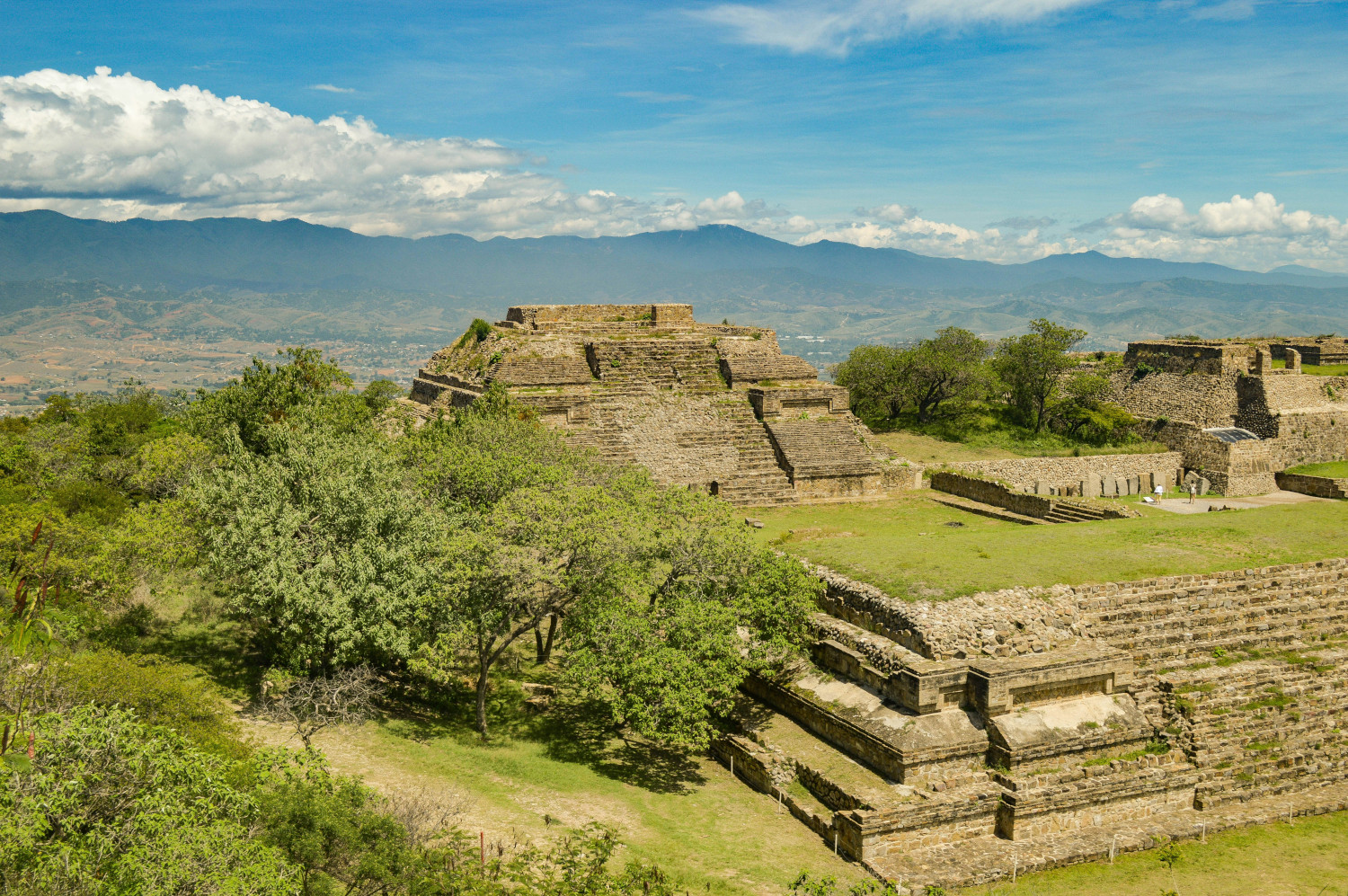
History & culture: Teotihuacan pyramids near Mexico City · Chichén Itzá · Palenque ruins in Chiapas · Day of the Dead celebrations in Oaxaca · Monte Albán archaeological site · Colonial historic centers in Puebla, Guanajuato, and Mérida
Adventure: Cliff diving in Acapulco · Surfing in Sayulita and Puerto Escondido · Zip-lining and rappelling in the Copper Canyon · Paragliding in Valle de Bravo · Cave diving in Yucatán cenotes · Volcano hiking near Mexico City
Beaches & islands: Playa Norte on Isla Mujeres · Medano Beach in Los Cabos · Sayulita’s colorful village beach · Holbox Island’s shallow turquoise flats · Hidden beaches of the Riviera Maya · Zipolite’s laid-back Pacific shores
Food experiences: Street tacos al pastor from Mexico City · Oaxacan mole and tlayudas · Cochinita pibil in the Yucatán · Fresh ceviche on the Pacific coast · Mezcal tasting in Oaxaca and Puebla · Mercado food halls and local market food
Food & Drink
Mexican cuisine is one of only a handful in the world recognized by UNESCO as an Intangible Cultural Heritage — and traveling through the country makes it abundantly clear why.
Central Mexico and the highlands are home to Mexico’s most complex food traditions. Mexico City is a world-class dining destination with everything from legendary taqueria institutions to avant-garde restaurants. Oaxaca is known as Mexico’s culinary capital — the home of mole negro, Oaxacan cheese, chapulines (toasted grasshoppers), and some of the country’s finest mezcal. Puebla gave the world mole poblano and chiles en nogada.
The Yucatán Peninsula has a distinct food culture rooted in Maya tradition. Cochinita pibil (slow-roasted pork), sopa de lima, and papadzules are regional staples, and the region’s food is noticeably different from central Mexican cooking — more subtle in spice, more citrus-forward, and deeply tied to local ingredients.
The coasts are defined by some of the world’s best seafood. Baja California’s cuisine blends Mexican and Mediterranean influences, pioneering the fish taco and a thriving wine culture in Valle de Guadalupe. The Pacific coast brings aguachile, fresh shrimp, and ceviche, while the Gulf Coast has its own rich tradition of seafood stews and smoked fish dishes.
Street food is the heart of Mexican eating. Tacos, tlayudas, elotes, tamales, and gorditas are found at every price point — and some of the most satisfying meals in Mexico cost less than two dollars. Eating like a local means eating on the street, at the market, and wherever the line is longest.
Mezcal and tequila culture is an experience in itself. Mexico is the exclusive origin of both spirits, and distillery tours, mezcal bars, and agave-focused tasting experiences have become major travel draws — particularly in Oaxaca, Jalisco, and surrounding regions.
Safety in Mexico
Mexico is safe for travelers in the vast majority of popular destinations — but it’s a large country, and safety varies significantly by region, city, and neighborhood. Most visitors have completely trouble-free trips, particularly in well-established tourist areas, but informed travel is essential.
Generally very safe: Destinations like Mérida, San Miguel de Allende, Guanajuato, Oaxaca city, and tourist areas of the Yucatán Peninsula are considered among the safest in the country, with strong tourism infrastructure and very low rates of crime affecting visitors.
Safe with standard precautions: Mexico City (tourist neighborhoods like Roma, Condesa, Polanco, and Coyoacán), Puerto Vallarta, Los Cabos, Cancún resort zones, and Tulum are widely visited and generally safe, but petty theft and occasional scams require the same awareness you’d use in any large city.
Require extra research: Certain states and regions carry active travel advisories from the US and Canadian governments due to cartel-related activity. Always check current government travel advisories for Mexico before your trip and avoid areas flagged as high-risk.
Common sense across all of Mexico:
- Stay in well-reviewed, tourist-frequented areas — especially at night
- Use Uber or pre-booked transportation rather than flagging down unmarked taxis
- Don’t flash expensive jewelry, cameras, or electronics
- Keep copies of important documents and use hotel safes
- Follow local advice from your accommodation
- Purchase comprehensive travel insurance
Currency
Mexico’s official currency is the Mexican Peso (MXN). While US Dollars are accepted in many tourist-facing businesses — particularly in resort towns, border areas, and major hotels — you’ll almost always get a better deal paying in pesos, and smaller businesses and local markets will expect it.
Cash vs card: Cards are widely accepted in hotels, larger restaurants, and tourist businesses in major destinations. However, cash remains king for street food, local markets, colectivos, tipping, and smaller towns. Carrying a mix of both is the best approach.
ATMs & exchange: ATMs are widely available across Mexico, including in most towns and tourist areas. Use bank-operated ATMs when possible (Banamex, HSBC, Santander) and be aware of added fees from both the local machine and your home bank. Avoid currency exchange booths at airports if possible — rates are consistently worse than ATMs in town.
Tipping culture: Tipping is expected across Mexico’s tourism industry. Restaurants typically tip 10–15% (sometimes more in higher-end spots), and hotel staff, drivers, and tour guides appreciate small tips as a meaningful part of their income. Always tip in cash when possible.
Costs: Mexico is one of the best-value destinations for international travelers. Budget travelers can get by on $30–50/day including food, transport, and accommodation. Mid-range travel runs $80–150/day, while luxury travel has essentially no ceiling. The peso’s exchange rate against the USD and CAD makes it particularly attractive for North American visitors.