
Travel Guide
Canada
Canada is the second-largest country in the world, stretching across the northern half of North America and offering an incredible range of landscapes, climates, and travel experiences. From rugged Atlantic coastlines to the towering Rocky Mountains and remote Arctic tundra, the country feels less like a single destination and more like a collection of entirely different worlds. Its vast size, low population density, and preserved wilderness make it one of the best places on Earth for nature-based travel, while its cities provide culture, diversity, and modern experiences.
Whether you’re planning a road trip, a national park adventure, or a city-focused getaway, Canada offers something for every type of traveler—year-round.
Why Travel to Canada?
Canada is known for its vast landscapes, natural beauty, and high quality of life. Travelers come here for outdoor adventure, wildlife, and iconic scenery—but also stay for the cities, culture, and safety. The country is consistently ranked among the safest and most livable destinations in the world, making it ideal for solo travelers, families, and long-term exploration.
From glaciers and lakes to forests and coastlines, Canada offers some of the most pristine environments on Earth, with millions of square kilometers of protected wilderness and national parks.
When to Go to Canada
Canada doesn’t have one season — it has four distinct ones, each offering a completely different travel experience depending on where you go. Summer (June to August) is the most popular, with warm temperatures, long daylight hours, and full access to national parks, lakes, and coastal regions across the country. Fall (September to October) brings cooler weather and some of the most dramatic foliage in the world, especially in Ontario and Quebec. Winter (December to March) transforms Canada into a snow-covered destination, perfect for skiing, winter festivals, frozen lakes, and northern lights viewing in regions like Yukon and the Northwest Territories. Spring (April to May) is a quieter transition season, with melting snow, blooming landscapes, and fewer crowds, though conditions can vary widely by region.
The best time to visit Canada depends entirely on where in the country you’re going.
Regions of Canada
Canada is typically divided into five main travel regions, each offering a completely different experience shaped by geography, climate, and culture. Because of the country’s massive scale, travelers usually focus on one or two regions per trip, with each region containing multiple provinces or territories that can be explored in depth.
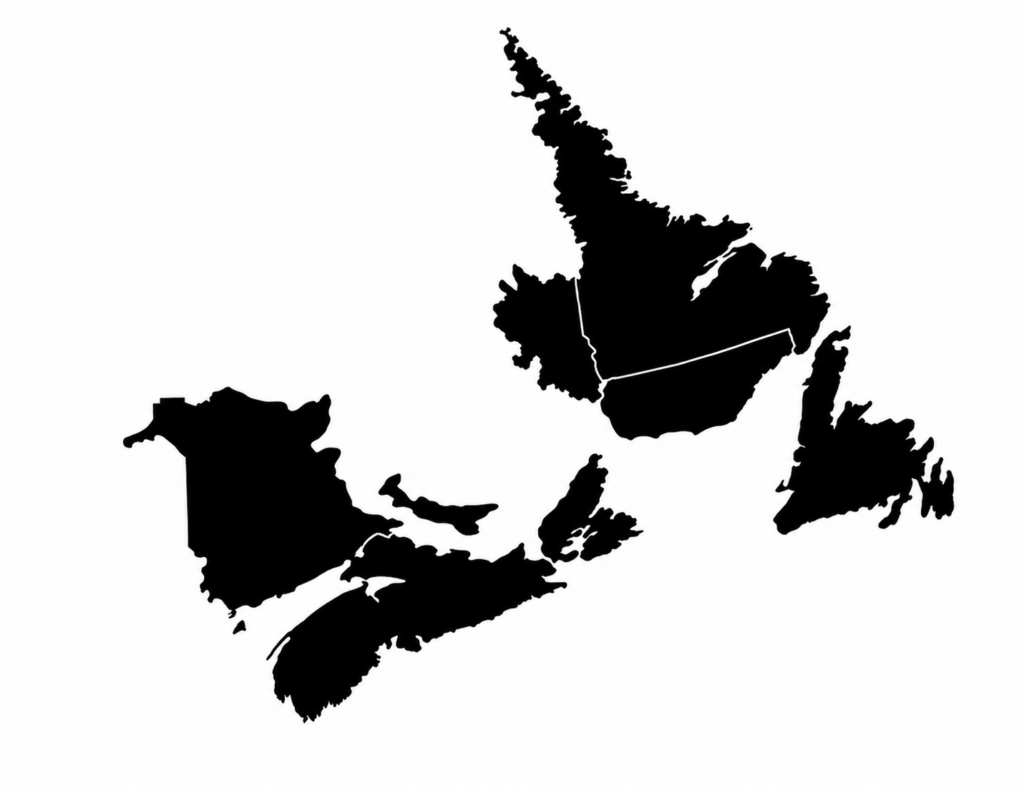
Atlantic Canada
Atlantic Canada is made up of Newfoundland and Labrador, Prince Edward Island, Nova Scotia, and New Brunswick, each offering its own take on coastal life and maritime culture. Newfoundland and Labrador is known for its rugged, remote landscapes and dramatic cliffs, while Prince Edward Island offers rolling countryside and red-sand beaches. Nova Scotia is famous for scenic drives like the Cabot Trail and historic coastal towns, and New Brunswick is home to natural wonders like the Bay of Fundy with the highest tides in the world. Together, these provinces create one of the most scenic and culturally rich regions in Canada, perfect for coastal road trips, seafood experiences, and small-town exploration.
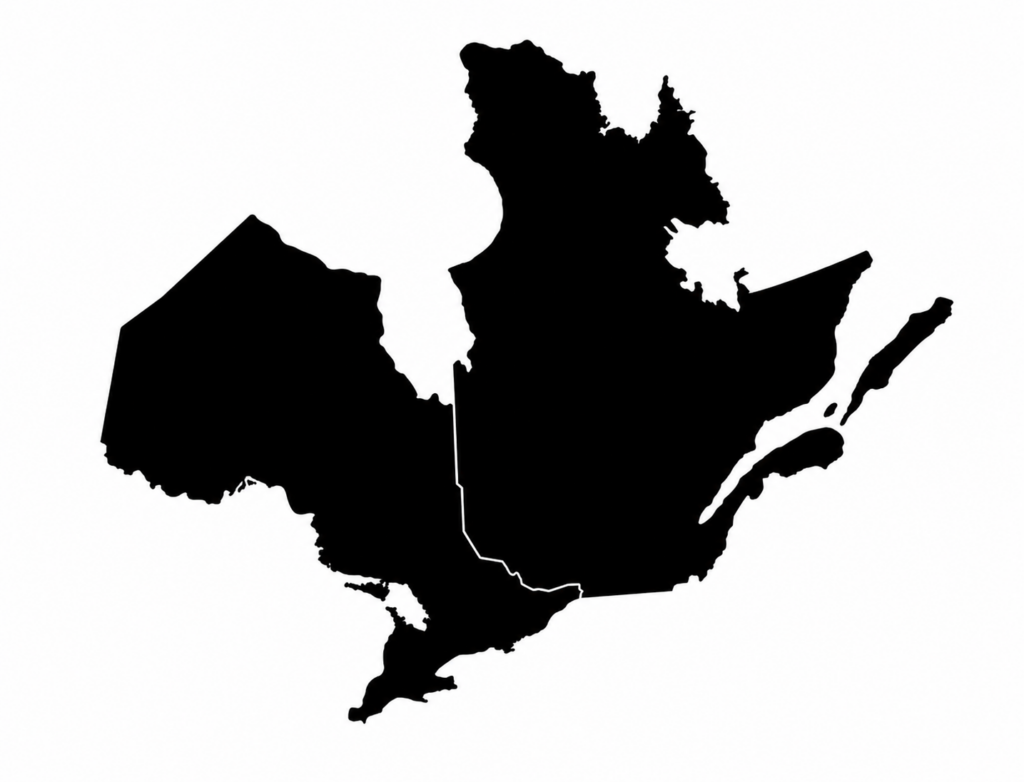
Central Canada
Central Canada includes Ontario and Quebec, the two most populous provinces and the core of Canada’s cultural, economic, and travel infrastructure. Ontario is home to major destinations like Toronto, Ottawa, and Niagara Falls, as well as vast wilderness areas filled with lakes and forests. Quebec offers a completely different experience, with French-speaking culture, European-style architecture, and historic cities like Montreal and Quebec City. Both provinces provide a mix of urban travel, cultural experiences, and accessible nature, making Central Canada one of the most versatile regions for travelers.
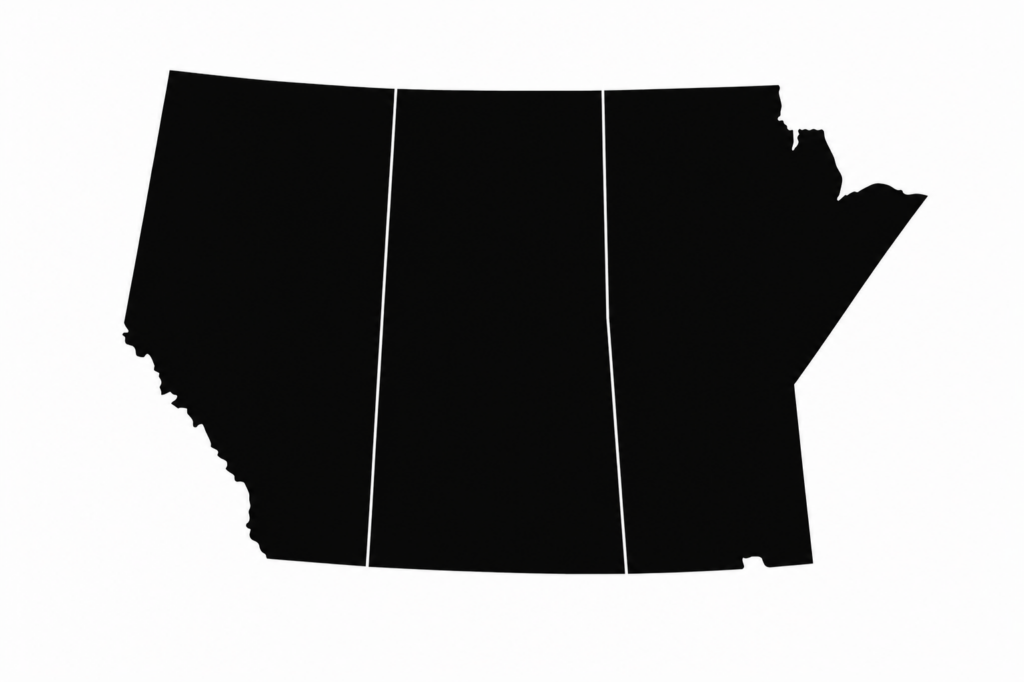
The Prairies
The Prairie region consists of Manitoba, Saskatchewan, and Alberta, each contributing to the region’s wide-open landscapes and strong agricultural roots. Manitoba offers a mix of prairie and northern wilderness, along with cultural hubs like Winnipeg. Saskatchewan is known for its vast skies, grasslands, and peaceful rural scenery. Alberta stands out with its proximity to the Rocky Mountains, including world-famous destinations like Banff and Jasper National Parks. Together, these provinces offer everything from quiet countryside travel to major outdoor adventure, making the Prairies far more diverse than they first appear.
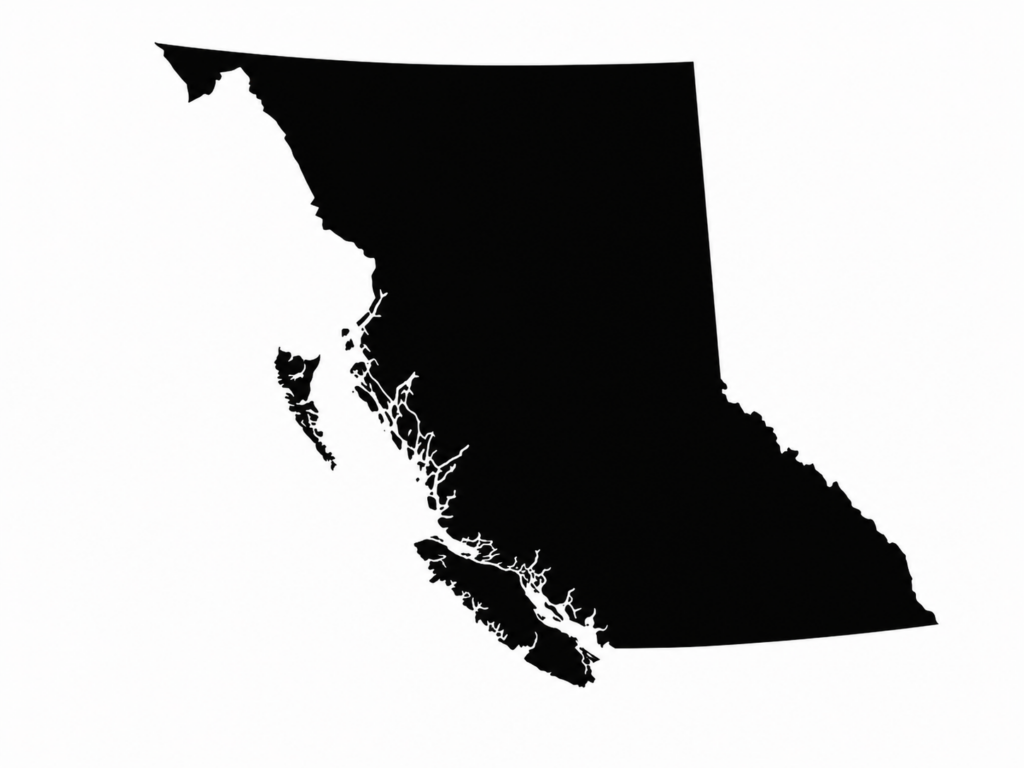
West Coast
The West Coast region is centered around British Columbia, Canada’s westernmost province and one of its most popular travel destinations. British Columbia includes a wide range of landscapes, from coastal cities like Vancouver to mountain destinations like Whistler and remote areas like northern BC. The province also includes Vancouver Island, known for its rugged coastline, surfing in Tofino, and lush temperate rainforests. While it is a single province, British Columbia is so geographically diverse that it functions almost like multiple destinations within one region, offering year-round travel opportunities.
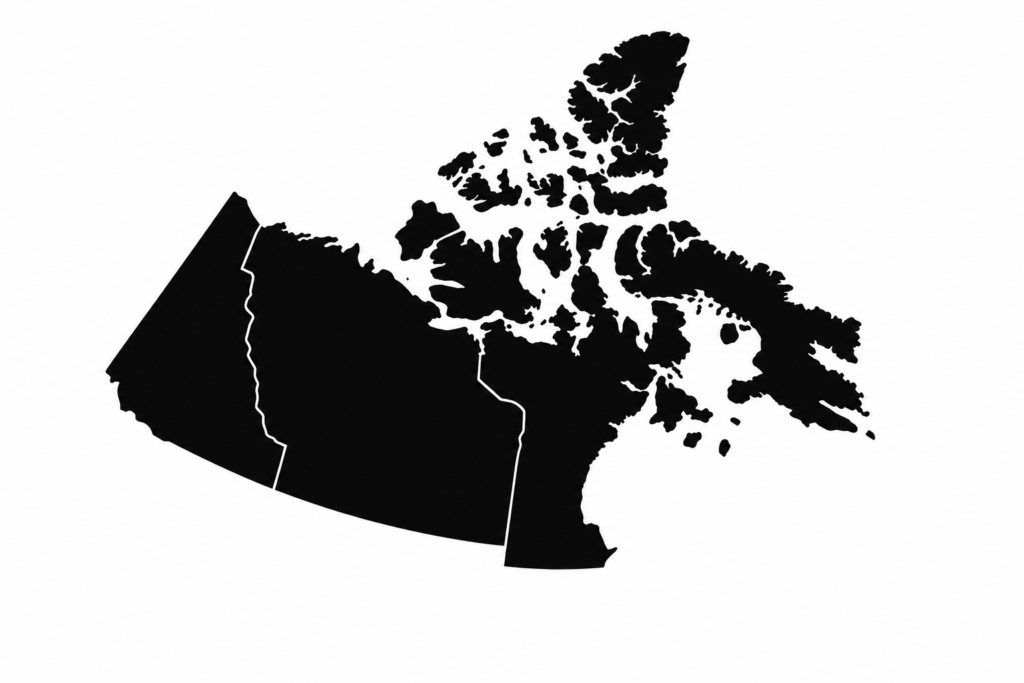
Northern Canada
Northern Canada is made up of the three territories: Yukon, Northwest Territories, and Nunavut, each offering a remote and unforgettable travel experience. Yukon is known for its mountains, gold rush history, and access to the northern lights. The Northwest Territories offers vast wilderness, lakes, and some of the best aurora viewing in the country. Nunavut is the most remote and culturally unique, with strong Inuit traditions and Arctic landscapes that few travelers ever experience. These territories are ideal for those seeking adventure, cultural depth, and truly off-the-grid exploration.
Canada by the Numbers
Total area
9.98 million km²
(2nd largest country in the world)
(2nd largest country in the world)
Population
~40 million
(low population density)
(low population density)
Languages
2 official
(English & French)
(English & French)
INDIGENOUS GROUPS
600+ First Nations, Inuit & Métis communities
Currencies
Canadian Dollar – CAD
Most Visited
Toronto, Vancouver, Montreal, Banff, Niagara Falls
Getting to Canada
Canada’s major international hubs connect well from the United States, Europe, Asia, and increasingly South America. The most competitive long-haul routes are typically into Toronto, Vancouver, Montreal, and Calgary, with frequent direct flights from major global cities.
Key gateway airports:
- Toronto Pearson International (YYZ) — Canada’s busiest airport; main global hub with extensive international and domestic connections
- Vancouver International (YVR) — West Coast gateway; ideal for flights from Asia and the Pacific, with easy access to British Columbia
- Montréal–Trudeau International (YUL) — Quebec’s primary hub; strong European connections and access to eastern Canada
- Calgary International (YYC) — Gateway to the Rocky Mountains; best entry point for Banff, Jasper, and western Canada
- Ottawa International (YOW) — Smaller but well-connected capital city airport; good for regional and some international routes
- Halifax Stanfield International (YHZ) — Main Atlantic Canada hub; connects eastern provinces with Europe and domestic routes
Pro tip: Once in Canada, domestic flights are the fastest way to cover long distances, especially between regions. Budget airlines like Flair Airlines and Lynx Air (when operating), along with major carriers like Air Canada and WestJet, connect cities across the country—but booking in advance is key, as prices can rise quickly during peak summer and holiday seasons.
Where to Stay
Accommodation options in Canada vary widely depending on the region, season, and level of comfort you’re looking for — from budget hostels in major cities to luxury mountain resorts and remote wilderness lodges. While Canada isn’t known as a budget destination, the quality of accommodation is consistently high across all price ranges, and there are plenty of unique stays that make the experience even more memorable.
Budget: Hostels, motels, and basic guesthouses are available in most cities and tourist areas, especially in places like Toronto, Vancouver, Montreal, and Banff. Expect roughly $30–80 CAD per night for a dorm bed or simple private room, though prices can rise in peak season.
Mid-range: Mid-range options include hotels, boutique inns, and short-term rentals like Airbnb. These typically range from $120–300 CAD per night depending on the location, with higher prices in major cities and popular destinations like Whistler or downtown Vancouver.
Luxury: Canada offers a range of high-end accommodations, including luxury hotels, ski resorts, and remote lodges. Iconic stays include Fairmont properties, mountain resorts in Banff and Lake Louise, and waterfront hotels in Vancouver. Prices usually start around $400 CAD per night and can go significantly higher for premium experiences.
Unique stays: Canada is known for its distinctive accommodation experiences, including lakeside cabins, national park lodges, glamping domes, and glass-roof lodges designed for northern lights viewing. You’ll also find cozy mountain chalets, forest retreats, and remote wilderness lodges that offer a more immersive connection to nature.
Featured Cities



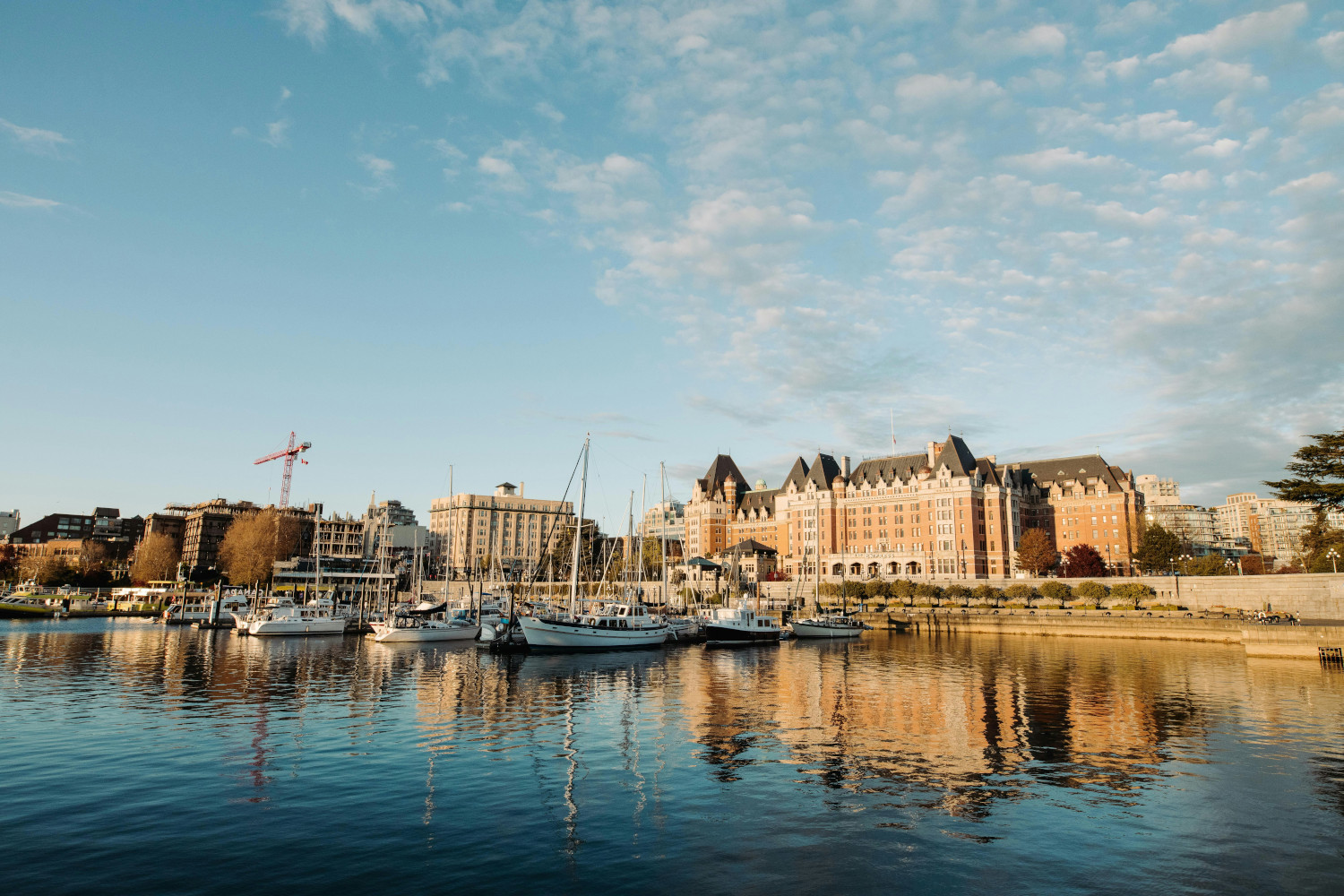

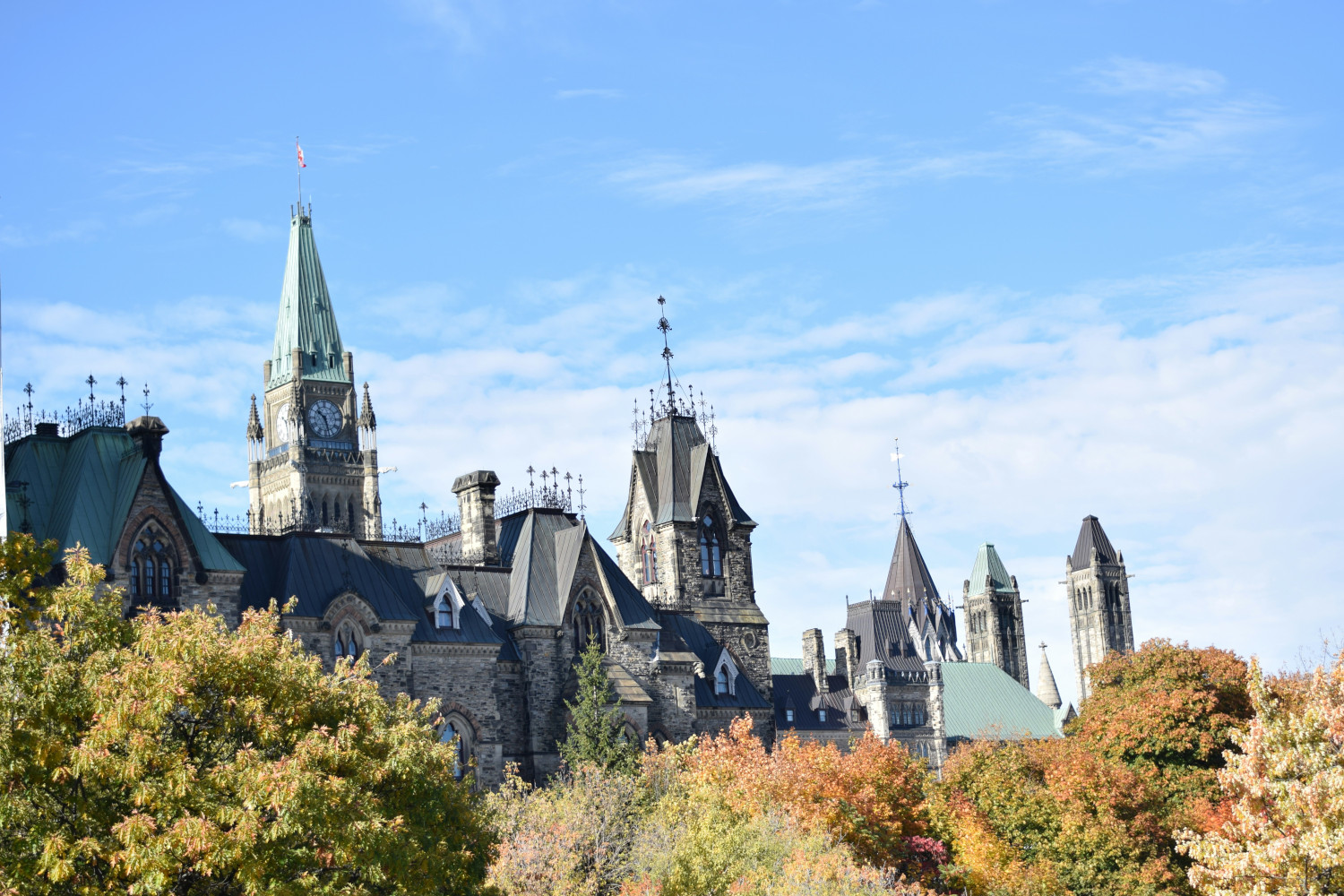
Getting Around
Getting around Canada efficiently is one of the most important planning decisions you’ll make — and the options vary significantly depending on distance, region, and season. Because of the country’s size, travel between destinations often takes longer than expected, so choosing the right combination of transport is key.
Domestic & regional flights: Flights are the fastest way to travel across Canada’s vast distances, especially between regions like Ontario, British Columbia, and the North. Major airlines like Air Canada and WestJet operate extensive networks, with smaller carriers serving remote areas. Booking in advance is essential, as prices can be high compared to other countries.
Trains: Canada’s rail network, operated primarily by VIA Rail, connects major cities in Central Canada and offers scenic long-distance routes like Toronto to Vancouver. While not as fast as flying, train travel is comfortable and ideal for experiencing the landscape, especially on iconic cross-country journeys.
Buses: Intercity buses connect many cities and towns, though service can be limited in some regions compared to other countries. Companies like Rider Express and regional operators provide affordable travel options, particularly in the Prairies and parts of British Columbia.
Car rental & road trips: Renting a car is one of the best ways to explore Canada, especially for visiting national parks, coastal regions, and smaller towns. Road trips are a major part of Canadian travel culture, with well-maintained highways and some of the most scenic drives in the world.
Ferries & boats: Ferries are essential in coastal regions, particularly in British Columbia and Atlantic Canada. BC Ferries connects the mainland to Vancouver Island and surrounding islands, while smaller ferry routes operate in the Maritimes and Newfoundland.
Public transit & ride-sharing: Major cities like Toronto, Vancouver, and Montreal have reliable public transit systems including buses, subways, and light rail. Ride-sharing services like Uber and Lyft are widely available in urban areas, making city travel easy and convenient.
Things to Do
Canada’s activity range is as vast as its landscapes. A shortlist of the unmissable:
Wildlife & nature: Grizzly bear viewing in British Columbia · Polar bear watching in Churchill, Manitoba · Whale watching in Newfoundland and Vancouver Island · Moose spotting in Algonquin Park · Northern lights in Yukon and the Northwest Territories
History & culture: Old Quebec City · CN Tower in Toronto · Parliament Hill in Ottawa · Indigenous cultural experiences across the country · Fortress of Louisbourg (Nova Scotia) · Historic sites in Montreal
Adventure: Hiking in Banff and Jasper National Parks · Skiing in Whistler Blackcomb · Canoeing in Ontario’s lake country · Ice climbing in the Rockies · White-water rafting in British Columbia · Dog sledding in the Yukon
Beaches & islands: Tofino’s surf beaches (British Columbia) · Prince Edward Island’s red sand beaches · Cape Breton Island’s Cabot Trail · Fogo Island (Newfoundland) · Vancouver Island coastal drives
Food experiences: Poutine in Quebec · Fresh seafood in Atlantic Canada · Alberta beef · Toronto’s global food scene · Maple syrup experiences in Ontario · Local wineries in British Columbia
Food & Drink
Canada’s food scene is as diverse as its landscape — shaped by Indigenous traditions, regional specialties, and a strong multicultural influence that varies dramatically across the country. From coastal seafood to prairie beef and global city dining, the range is wide and constantly evolving.
Atlantic Canada is all about fresh, local seafood. Lobster, scallops, oysters, and mussels are staples, often served simply to highlight their quality. Newfoundland adds its own identity with dishes like fish and brewis, while the Maritimes are known for hearty coastal comfort food.
Central Canada blends classic Canadian dishes with global cuisine. Quebec is known for poutine, tourtière, and maple-based foods, while cities like Toronto and Montreal offer some of the most diverse food scenes in North America, with everything from high-end dining to international street food.
The Prairies are rooted in agriculture and bold flavors. Alberta is famous for its high-quality beef, while Saskatchewan and Manitoba highlight farm-to-table dining, local grains, and comfort-driven cuisine. Craft breweries and distilleries are also a big part of the food culture here.
West Coast (British Columbia) is where food meets freshness and innovation. Expect seafood like salmon and spot prawns, along with strong Asian influences and a focus on local, sustainable ingredients. Vancouver is especially known for its fusion cuisine and vibrant dining scene.
Northern Canada offers a completely different experience, with traditional Indigenous foods like Arctic char, caribou, and bannock. Meals here are deeply connected to the land and culture, offering a more authentic and regional perspective on Canadian cuisine.
Local food culture varies widely. While Canada doesn’t have the same street food scene as some parts of the world, food trucks, markets, and casual dining spots are popular in cities. Don’t miss maple syrup experiences, farmers’ markets, and regional specialties — they’re a core part of traveling through the country.
Safety
Canada is widely considered one of the safest countries in the world for travelers — with low crime rates, stable infrastructure, and a strong sense of public safety. That said, safety can vary slightly by city, region, and environment.
Generally very safe: Most of Canada, including major cities like Toronto, Vancouver, Montreal, Calgary, and Ottawa, as well as popular destinations like Banff, Whistler, and Quebec City. Violent crime is rare, and tourists can typically explore freely with basic awareness.
Safe with standard precautions: Urban areas at night, public transit systems, and busy tourist zones. Like any country, petty crime such as pickpocketing or theft can occur, particularly in crowded areas or downtown cores.
Require extra awareness: Remote wilderness areas, northern regions, and national parks where wildlife, weather, and isolation can pose real risks. Encounters with bears, moose, and extreme conditions are more relevant than crime in these areas.
Common sense across all of Canada:
- Keep valuables secure, especially in busy urban areas
- Be aware of your surroundings when walking alone at night
- Follow wildlife safety guidelines in parks (never approach animals)
- Check weather conditions before outdoor activities — conditions can change quickly
- Carry proper gear when hiking or exploring remote areas
- Use licensed taxis, rideshare apps, or public transit in cities
- Purchase travel insurance — healthcare is high-quality but can be expensive for visitors
Currency
Canada uses the Canadian Dollar (CAD), often shown as $ or C$ to distinguish it from other dollar-based currencies. Credit and debit cards are widely accepted across the country, including in small towns and most tourist areas, making Canada largely cashless for everyday travel.
Cash vs card: Cards are accepted almost everywhere, including restaurants, shops, hotels, and even many markets. Contactless payment (tap) is extremely common, and mobile payments like Apple Pay and Google Pay are widely used. It’s still useful to carry a small amount of cash for rural areas, tips, or smaller vendors.
ATMs & exchange: ATMs are easy to find in cities, airports, and towns, and typically offer better exchange rates than currency exchange counters. Banks and official exchange services are the safest options for exchanging foreign currency.
Tipping culture: Tipping is standard in Canada. Expect to tip around 15–20% in restaurants, as well as for services like taxis, hairdressers, and hotel staff.
Costs: Canada is considered a moderately expensive destination. Prices are usually displayed before tax, and sales tax (GST/HST) is added at checkout, which can range from about 5% to 15% depending on the province.