
Travel Guide
Central America
Overview
Central America is a region of extraordinary contrast—where lush rainforests, towering volcanoes, vibrant coral reefs, colonial cities, ancient civilizations, and two magnificent coastlines come together in one unforgettable destination. Stretching between North and South America, this narrow land bridge may be small in size, but it delivers some of the most diverse landscapes and travel experiences on Earth. From misty cloud forests and tropical Caribbean islands to Pacific surf towns, ancient Maya temples, and colorful colonial streets, Central America is packed with adventure, culture, biodiversity, and natural beauty at every turn.
Made up of seven countries—Belize, Guatemala, Honduras, El Salvador, Nicaragua, Costa Rica, and Panama—Central America offers something for every type of traveler. Whether you’re snorkeling above coral reefs in Belize, hiking volcanoes in Guatemala, surfing the Pacific coast of Nicaragua, spotting sloths in the rainforests of Costa Rica, or watching ships cross the world-famous Panama Canal in Panama, this region rewards curiosity, spontaneity, and exploration. Bordering both the Pacific Ocean and the Caribbean Sea, Central America combines volcanic mountain ranges, tropical coastlines, dense jungles, rich Indigenous heritage, and growing tourism infrastructure—making it one of the most exciting destinations in the world for backpackers, families, digital nomads, and luxury eco-travelers alike.
Why Travel to Central America?
Central America delivers extraordinary variety in a compact, easy-to-navigate region. In a single trip, you can wake up in a colonial city, spend the afternoon hiking a volcano, and finish the day watching the sunset over the Caribbean.
Travelers come here for:
- Ancient Maya archaeological sites
- Active volcanoes and geothermal landscapes
- World-class scuba diving and snorkeling
- Cloud forests and wildlife reserves
- Pacific surf culture
- Caribbean islands and reef systems
- Coffee plantations and jungle lodges
- Rich Indigenous and Spanish colonial heritage
The region is also famous for ecotourism, with countries like Costa Rica and Belize leading the way in sustainable travel and wildlife conservation. Coral reefs, mangroves, cloud forests, and volcanic highlands create an extraordinary concentration of ecosystems in a relatively small area.
When to Go to Central America
Central America doesn’t follow one simple travel season—it shifts dramatically by coast, elevation, and country. The Pacific side typically sees dry, sunny weather from December to April, while the Caribbean coast often follows its own rainfall patterns with greener, wetter months arriving at different times of year. Guatemala’s volcanic highlands are coolest and clearest in winter, Costa Rica’s national parks shine during the dry season, Belize’s reef islands are at their best from late fall through spring, and Panama’s lush rainforests come alive during the green season. From surf towns and cloud forests to coral reefs, colonial cities, and ancient Maya ruins, timing your trip can completely shape your experience in this incredibly diverse region.
The best time to visit Central America depends entirely on where in Central America you’re going.
Regions of Central America
Central America may be compact compared to other regions of the world, but planning it as one destination would be a mistake. From Caribbean reef systems and colonial highland cities to Pacific surf towns, volcanic islands, and dense tropical rainforests, each part of Central America offers a completely different experience. Understanding the region’s distinct travel zones is the essential first step in building an unforgettable Central America itinerary—whether you’re chasing ancient Maya ruins, wildlife encounters, world-class diving, or off-grid jungle adventure.
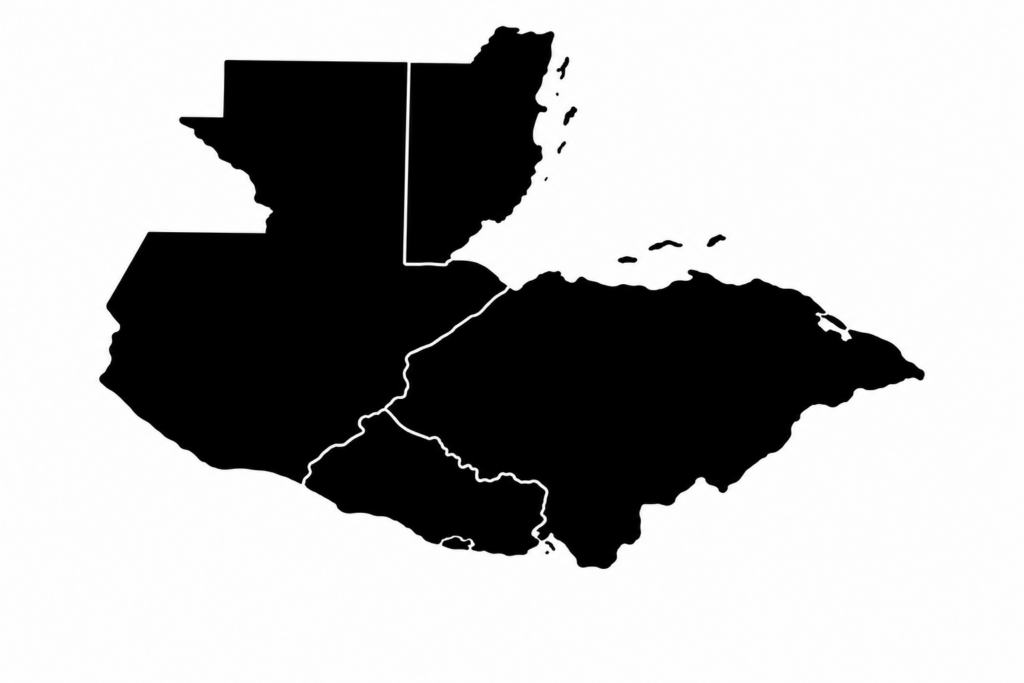
Northern Central America
Northern Central America is where the region’s ancient history, Indigenous culture, and dramatic landscapes come together. This is the best region for travelers seeking Maya archaeology, volcanic trekking, colorful colonial towns, and reef diving. Explore the towering temples of Tikal deep in Guatemala’s jungle, wander the cobblestone streets of Antigua beneath active volcanoes, snorkel the world-famous Belize Barrier Reef, dive with whale sharks near Honduras’ Bay Islands, or discover El Salvador’s black-sand beaches and surf towns like El Tunco. This corner of Central America rewards curious travelers with extraordinary depth — ancient, wild, and largely uncrowded.
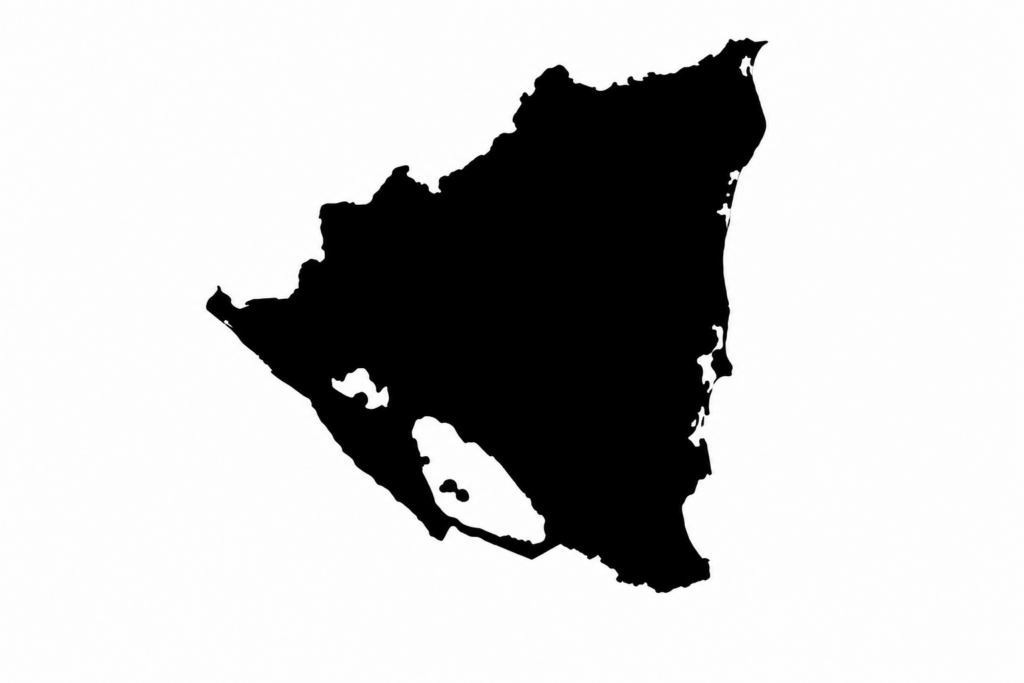
Nicaragua
Nicaragua is a destination unto itself — Central America’s largest country and one of its most underrated. Colonial cities like Granada and León sit in the shadow of active volcanoes, while the northern highlands produce exceptional coffee on fertile mountain farmland. The Pacific coast delivers world-class surf at San Juan del Sur, and Lake Nicaragua — one of the largest lakes in the Americas — hides the twin-volcano island of Ometepe at its center. Nicaragua offers the full Central American experience with far fewer crowds and significantly lower prices than its neighbors.
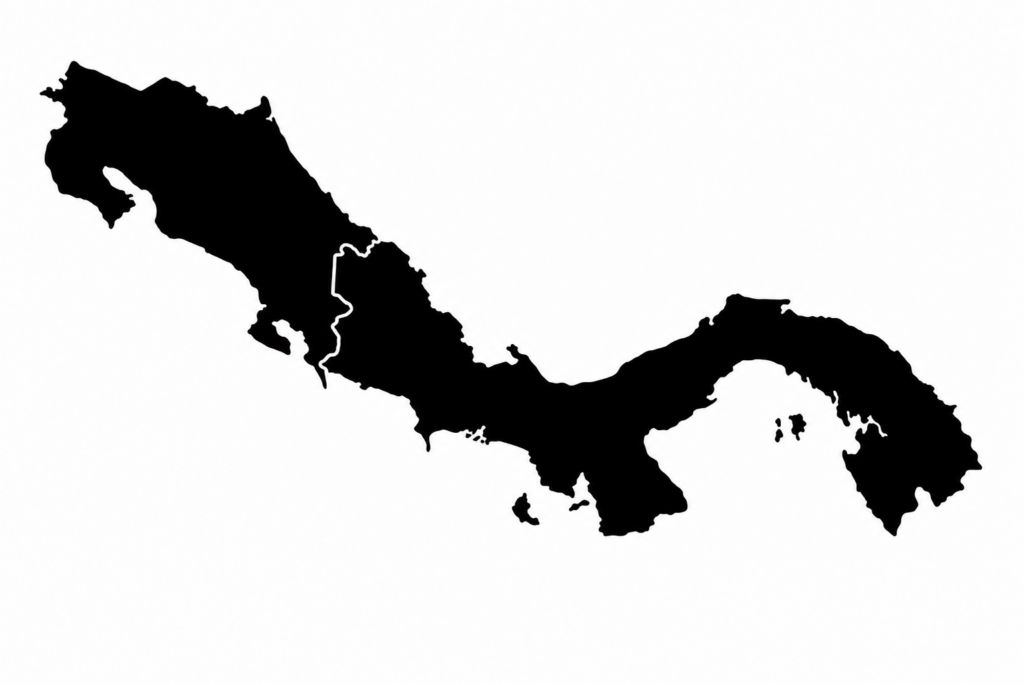
Southern Central America
Southern Central America offers some of the most developed tourism infrastructure in the region, combined with extraordinary biodiversity and a range of experiences that stretch from rainforest canopies to Caribbean archipelagos. In Costa Rica, zipline through Monteverde’s cloud forests, soak in volcanic hot springs near Arenal, or spot sloths, toucans, and scarlet macaws in Corcovado National Park. In Panama, explore the engineering wonder of the Panama Canal, wander the historic streets of Casco Viejo, or escape to the beaches and islands of Bocas del Toro and the remote San Blas archipelago. Together, these two countries make for one of the most rewarding and seamlessly connected trips in the region.
Central America by the Numbers
Total area
~523,780 km²
(~202,230 sq mi)
(~202,230 sq mi)
Population
~52 million
(approximately 0.6% of the world’s population)
(approximately 0.6% of the world’s population)
Languages
100+
(Spanish, English, Creole, Garifuna, and dozens of Indigenous languages)
Ethnic Groups
50+
(Mestizo, Indigenous Maya, Garifuna, Afro-Caribbean, European, and more)
Currencies
7+
Time Zones
2
(UTC -6 and UTC -5)
Most Visited
Costa Rica, Panama, Guatemala, Belize, Nicaragua
Getting to Central America
Central America is well connected from North America, Europe, and increasingly from South America, with the most competitive international routes typically arriving through major hubs in Panama City, San José, Guatemala City, Belize City, and San Salvador. Thanks to the region’s compact geography, it’s easy to enter through one country and continue overland, by regional flight, or even by ferry into neighboring destinations.
Key gateway airports:
- Tocumen International Airport (PTY) — Central America’s busiest international hub; excellent onward connections throughout North, South, and Central America.
- Juan Santamaría International Airport (SJO) — Costa Rica’s main international gateway; ideal for rainforest, beach, and adventure travel connections.
- La Aurora International Airport (GUA) — Primary gateway to Guatemala, Antigua, Lake Atitlán, Tikal, and the northern highlands.
- Philip S. W. Goldson International Airport (BZE) — Best entry point for Belize’s cayes, barrier reef diving, and jungle eco-lodges.
- Monseñor Óscar Arnulfo Romero International Airport (SAL) — A growing regional hub with strong connections across the Americas.
- Augusto C. Sandino International Airport (MGA) — Convenient access to Nicaragua’s volcanoes, colonial cities, lakes, and Pacific surf coast.
Pro tip: Once in Central America, short regional flights, tourist shuttles, long-distance buses, rental cars, ferries, and even border crossings on foot make country-hopping surprisingly easy. If you’re traveling during Christmas, Easter, or peak dry season (December to April), booking flights and cross-border transport well in advance can save both money and stress.
Where to Stay
Accommodation in Central America spans an incredible range— from $10-a-night backpacker hostels and family-run guesthouses to boutique jungle lodges, beachfront eco-resorts, private island retreats, and some of the most spectacular eco-luxury properties in the Americas. Whether you’re traveling on a tight backpacker budget, planning a family road trip, or looking for an all-inclusive rainforest escape, Central America offers accommodation for every style of traveler.
Budget: Hostels, surf hostels, local guesthouses, and basic cabinas are widely available throughout Guatemala, Nicaragua, El Salvador, and parts of Honduras. Expect to pay roughly $10–30 USD per night for a dorm bed or simple private room, often including breakfast, Wi-Fi, and access to shared kitchens.
Mid-range: Boutique hotels, colonial inns, beachfront bungalows, and eco-lodges typically run $40–150 USD per night across most of the region. Places like Antigua, Granada, San José, and Bocas del Toro offer excellent value, combining comfort, character, and easy access to top attractions.
Luxury: Central America has become a major destination for eco-luxury travel, with private villas, all-inclusive resorts, exclusive island lodges, and world-class wellness retreats. Luxury properties in Costa Rica, Belize, and Panama typically start around $200–400 USD per night, with private rainforest villas, overwater suites, and ultra-exclusive island resorts often exceeding $1,000+ per night.
Unique stays: One of Central America’s biggest highlights is its unforgettable alternative accommodation. Stay in a jungle treehouse in Costa Rica, a beachfront cabana on Caye Caulker, a colonial courtyard hotel in Antigua, a volcanic eco-lodge on Ometepe Island, an overwater bungalow in Bocas del Toro, or an off-grid island retreat in the San Blas Islands. Central America offers some of the most diverse and memorable stays anywhere in the world.
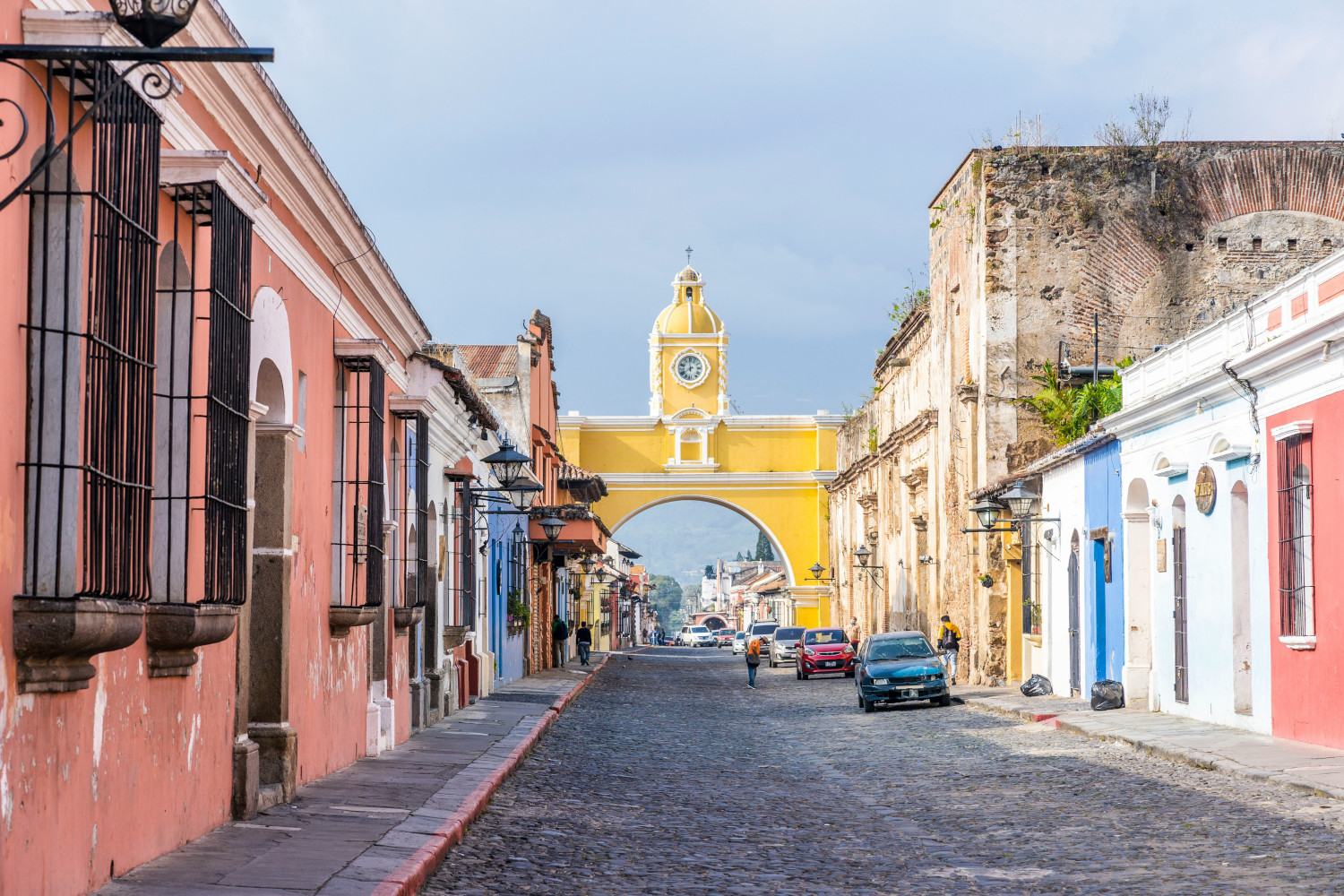
Featured Cities
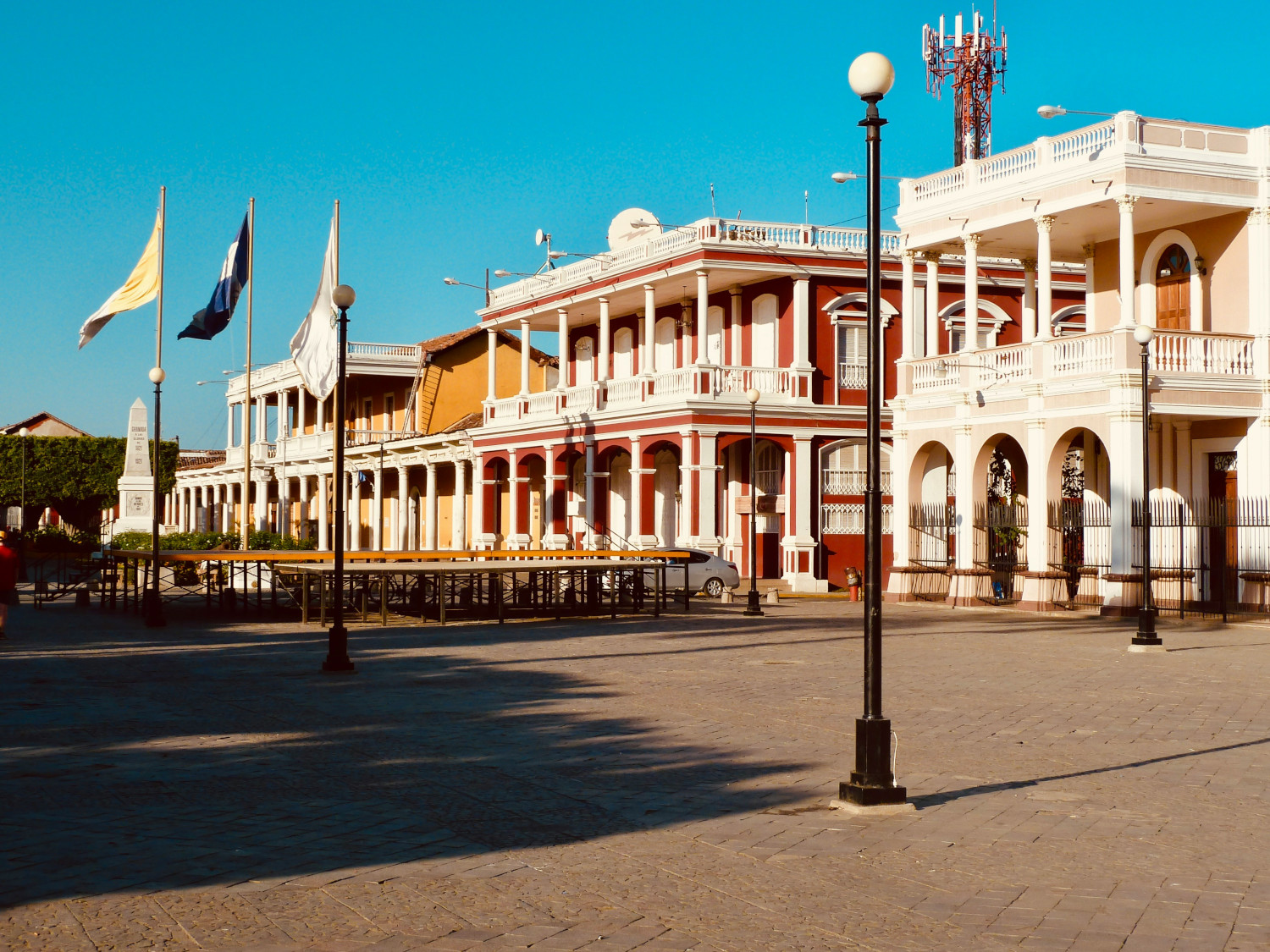
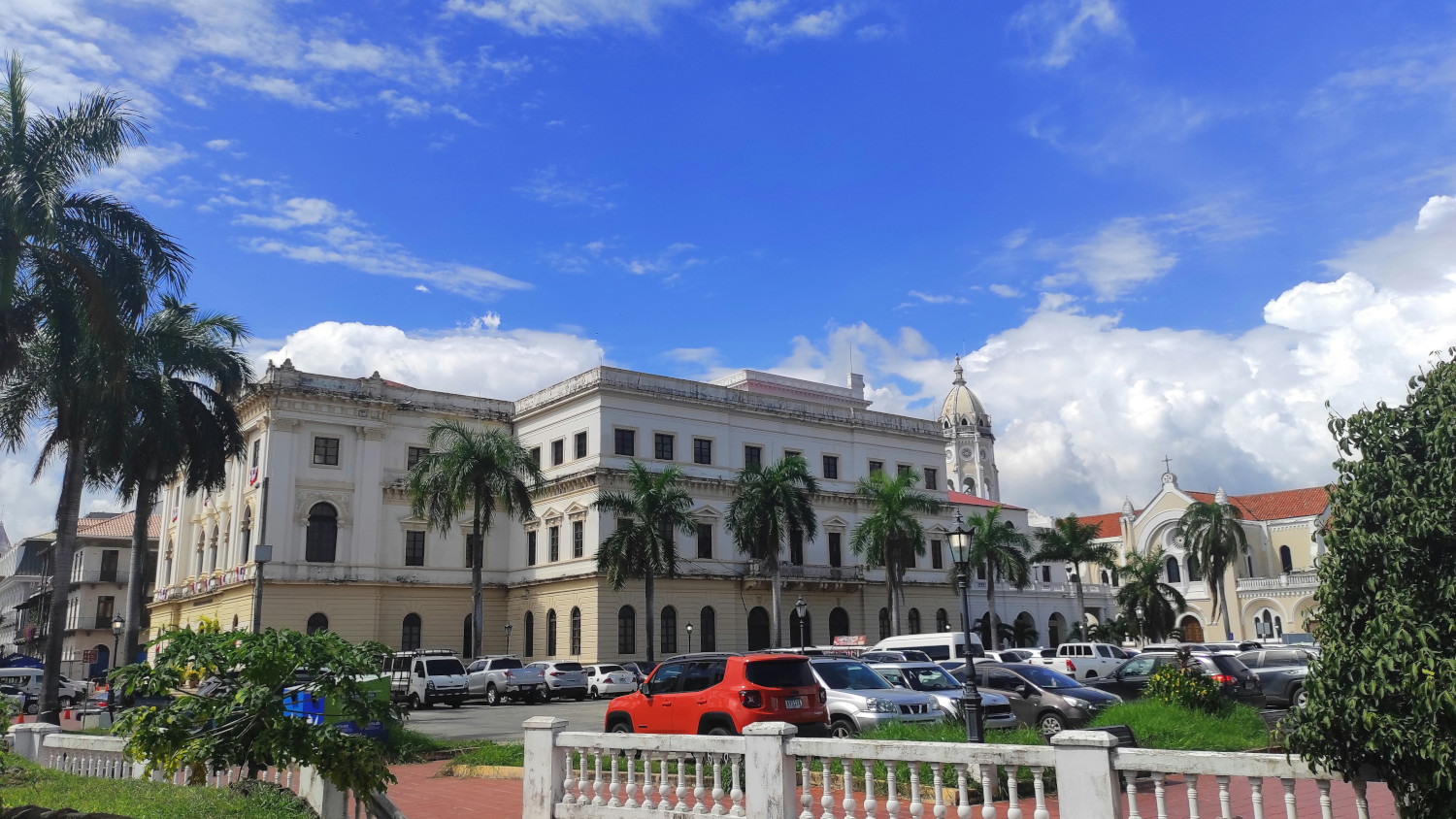
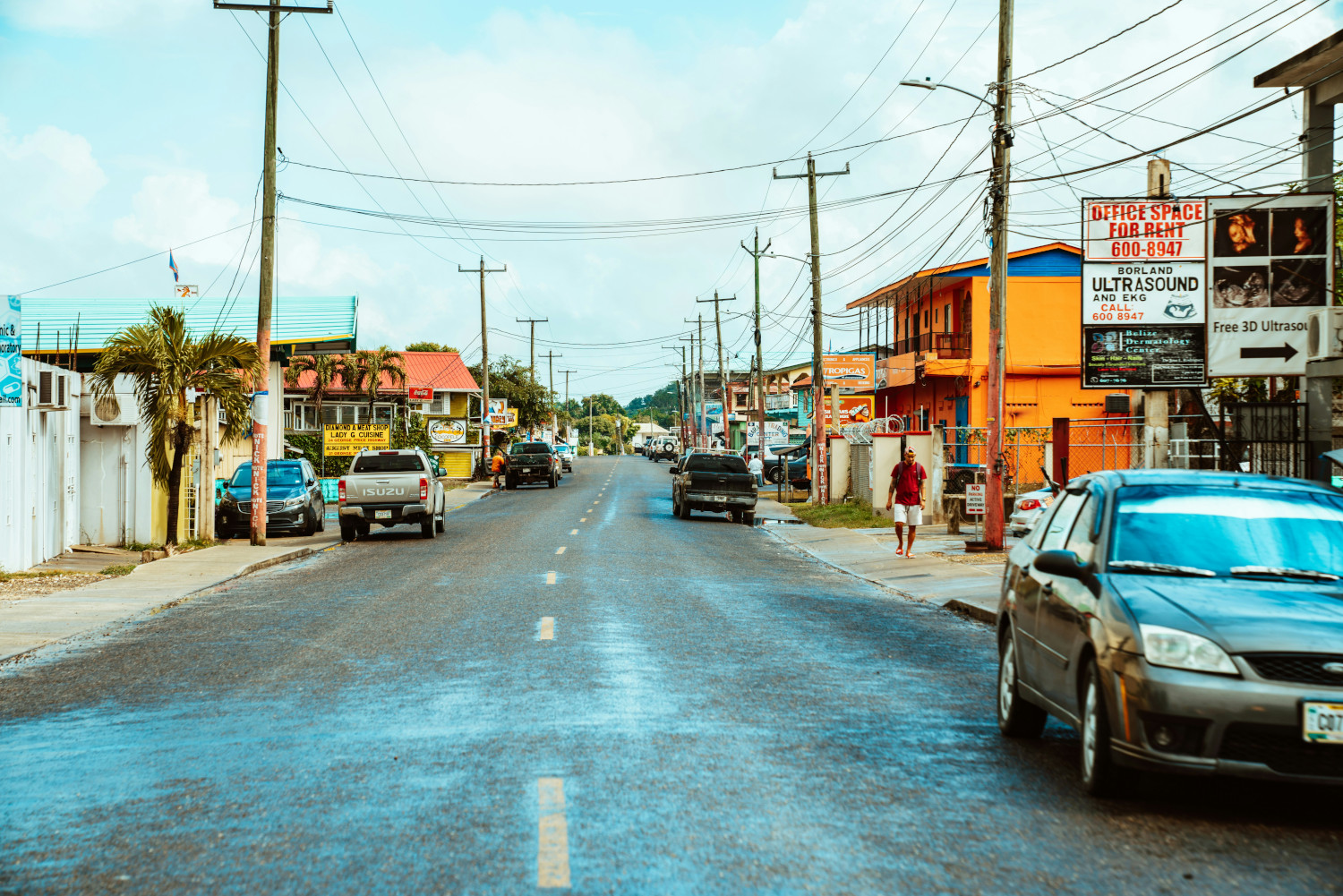
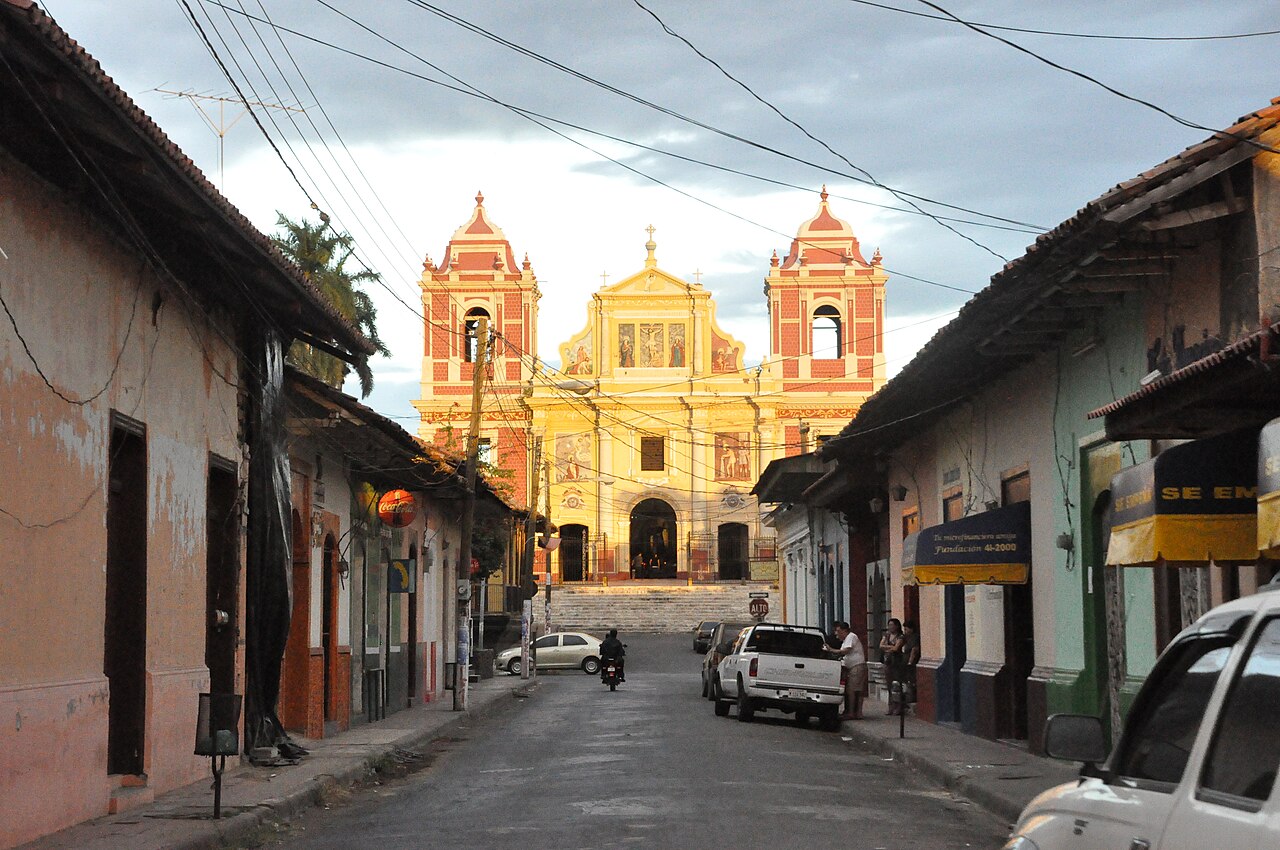
Getting Around
Getting around Central America efficiently is one of the most important planning decisions you’ll make—and the options vary dramatically by country, terrain, and travel style. From budget backpacker bus routes and domestic flights to island ferries, rental cars, and jungle shuttles, Central America offers a surprisingly flexible transportation network for travelers willing to mix and match.
Domestic & regional flights: Short regional flights can save huge amounts of time, especially when traveling between countries or reaching islands and remote jungle regions. Airlines like Copa, Avianca, TAG, Maya Island Air, Tropic Air, and SANSA connect major destinations throughout the region. Flights between hubs like Panama City, San José, Guatemala City, Belize City, and San Salvador are often fast and convenient when booked in advance.
Tourist shuttles & long-distance buses: The backbone of Central America travel. Shared tourist shuttles connect popular routes like Antigua to Lake Atitlán, San José to Monteverde, León to Granada, and cross-border routes between Nicaragua, Costa Rica, Guatemala, and Belize. Long-distance coach companies and local buses make budget travel extremely affordable, though journey times can be long in mountainous regions.
Chicken buses & local transport: One of Central America’s most iconic travel experiences. Especially common in Guatemala, Honduras, Nicaragua, and El Salvador, colorful converted school buses connect cities, villages, markets, and rural communities for just a few dollars. They’re affordable, authentic, and often an adventure in themselves.
Boats & ferries: Essential for island-hopping and reaching coastal destinations. Ferries connect places like Belize’s cayes, Honduras’ Bay Islands, Nicaragua’s Ometepe Island, Panama’s Bocas del Toro, and Costa Rica’s Nicoya Peninsula. Schedules can vary by season and weather, so always check routes in advance.
Taxis, Uber & ride-sharing: In larger cities like Panama City, San José, Guatemala City, and San Salvador, taxis and ride-share apps are widely available and often inexpensive. Uber operates in several major urban centers and is generally the easiest option for airport transfers and city transport.
Rental cars & 4x4s: Renting a car is one of the best ways to explore countries like Costa Rica, Belize, Panama, and parts of Guatemala at your own pace. Mountain roads, jungle routes, river crossings, and unpaved coastal roads are common, so a 4×4 is often recommended—especially during the green season.
Scooters, ATVs & golf carts: Popular on islands, surf towns, and beach destinations like Caye Caulker, Roatán, Bocas del Toro, San Juan del Sur, and coastal Costa Rica. They’re a fun and flexible way to explore smaller destinations, though road conditions and local driving styles can vary widely.
Pro tip: Border crossings between Central American countries can take anywhere from 30 minutes to several hours depending on the route, season, and paperwork requirements. Keep printed copies of your passport, onward travel plans, and accommodation details handy to make overland travel much smoother.
Things to Do
Central America’s activity range is every bit as diverse as its landscapes. From ancient jungle ruins and active volcanoes to coral reefs, cloud forests, colonial cities, and world-class surf breaks, this compact region packs in an extraordinary variety of experiences. A shortlist of the unmissable:
Wildlife & nature: Sloth and toucan spotting in Costa Rica · Jaguar and tapir tracking in Belize · Whale shark diving off Utila · Sea turtle nesting on Costa Rica’s Caribbean coast · Monkey spotting in Panama’s rainforests · Birdwatching in Guatemala’s cloud forests
History & culture: Exploring Tikal · Walking the colonial streets of Antigua · Visiting the Maya ruins of Copán · Discovering Casco Viejo · Exploring Indigenous villages around Lake Atitlán · Visiting colonial plazas in Granada
Adventure: Hiking Acatenango · Volcano boarding near León · Ziplining through Monteverde’s cloud forests in Costa Rica · White-water rafting in Costa Rica · Cave tubing in Belize · Surfing Pacific breaks in El Salvador
Beaches & islands: Snorkeling the Belize Barrier Reef · Relaxing on Caye Caulker · Diving around Roatán · Island hopping in Bocas del Toro · Surfing the beaches of Santa Teresa · Exploring the remote San Blas Islands
Food experiences: Street food tours in Guatemala City · Coffee farm tastings in Nicaragua · Caribbean cooking classes in Puerto Viejo de Talamanca · Chocolate experiences in Belize · Fresh seafood dining in Panama · Market-to-table cooking classes in Antigua, Guatemala
Unique experiences: Watching ships cross the Panama Canal · Staying on Ometepe Island between twin volcanoes · Kayaking the islets of Lake Nicaragua · Soaking in volcanic hot springs near Arenal Volcano · Exploring bioluminescent waters in Panama · Crossing jungle hanging bridges high above the rainforest canopy in Costa Rica.
Food & Drink
Central America may be small in size, but its food culture is remarkably diverse—shaped by Indigenous traditions, Spanish colonial influence, Afro-Caribbean heritage, volcanic farmland, tropical coastlines, and centuries of regional trade. From smoky street grills and bustling local markets to fresh-caught seafood, world-class coffee, and family-run mountain kitchens, eating your way through Central America is one of the most rewarding parts of the journey.
Northern Central America—particularly Guatemala, Belize, Honduras, and El Salvador—is rich in Indigenous and Maya culinary traditions. Corn, beans, squash, chili, cacao, and slow-cooked meats form the foundation of countless dishes. Guatemala’s pepián and tamales are deeply rooted in Maya heritage, Belize blends Caribbean flavors with Creole and Garifuna influences, and El Salvador’s famous pupusas are a must-try in local markets and roadside eateries.
The Volcanic Highlands of Guatemala, Nicaragua, and Costa Rica are where coffee culture thrives. Rich volcanic soil produces some of the finest beans in the Americas, and mountain towns are filled with small cafés, family-run roasteries, and farm-to-table dining. Traditional breakfasts often feature fresh tortillas, eggs, black beans, local cheese, fried plantains, and freshly brewed coffee grown just kilometers away.
The Caribbean Coast delivers some of the region’s most distinctive flavors. In places like Belize, Honduras’ Bay Islands, Panama’s Caribbean coast, and Costa Rica’s Limón Province, Afro-Caribbean cuisine takes center stage. Coconut milk, fresh seafood, rice and beans, jerk-style spices, cassava, lobster, conch, and tropical fruits create dishes that feel completely different from the inland highlands.
The Pacific Coast is all about grilled seafood, ceviche, tropical fruits, surf-town cafés, and beachside dining. From Nicaragua’s fish tacos and Costa Rica’s casados to Panama’s fresh tuna, octopus, and shrimp straight from the Pacific, coastal cuisine is fresh, simple, and deeply connected to the ocean.
Street food is essential everywhere. Don’t eat every meal in restaurants—the best food in Central America is often found at local mercados, roadside grills, beach shacks, tiny family-run comedores, or a grandmother pressing fresh tortillas by hand while buses rumble past outside.
Safety in Central America
Central America is generally safe for travelers and welcomes millions of visitors each year, from backpackers and families to digital nomads and luxury eco-travelers. That said, safety varies significantly by country, city, neighborhood, border crossing, and travel style. Most tourist areas are well established, easy to navigate, and heavily dependent on tourism, but like anywhere in the world, informed planning and situational awareness go a long way.
Generally very safe: Costa Rica, Belize (main tourist areas), Panama (tourist corridors), colonial towns like Antigua, lake regions such as Lake Atitlán, and established beach destinations across the region.
Safe with standard precautions: Guatemala, Nicaragua, Honduras (especially islands and tourist zones), El Salvador (tourism areas), and many urban centers throughout the region. As with most destinations, safety can vary block by block in larger cities.
Require extra research: Certain neighborhoods in major capitals, some isolated border regions, remote jungle crossings, parts of urban Honduras, sections of Guatemala City, and less-traveled overland routes. Always check current government advisories before crossing land borders or traveling off established routes.
Common sense across all of Central America:
- Use registered taxis, rideshare apps, hotel transfers, or reputable shuttle companies rather than unmarked street taxis.
- Avoid displaying expensive cameras, jewelry, passports, or large amounts of cash in busy transport hubs or crowded markets.
- Keep digital and printed copies of your passport, travel insurance, onward tickets, and accommodation bookings stored separately from the originals.
- Withdraw cash during daylight hours from bank-affiliated ATMs rather than standalone street machines.
- If arriving late at night, pre-book airport transfers—especially in larger cities like Guatemala City, San José, or Panama City.
- Ocean conditions can be dangerous on both coasts—pay attention to rip current warnings, local flag systems, and seasonal weather alerts.
- Volcano hikes, jungle treks, cave tours, and remote adventure activities are safest with certified local guides.
- Purchase comprehensive travel insurance before departure—medical evacuations from islands, remote beaches, or jungle regions can be extremely expensive.
Currency
Central America uses a variety of currencies, with each country operating its own monetary system—though the U.S. dollar plays a surprisingly important role across much of the region. From the Belize Dollar (BZD) and Guatemalan Quetzal (GTQ) to the Costa Rican Colón (CRC), Honduran Lempira (HNL), Nicaraguan Córdoba (NIO), and Panamanian Balboa (PAB), managing money while traveling through Central America requires a little planning—especially if you’re crossing multiple borders in one trip.
Cash vs card: Cash is still king across much of Central America, especially in rural villages, local markets, beach towns, family-run guesthouses, chicken buses, small cafés, and national park entrances. In larger cities like Panama City, San José, and tourist hubs like Antigua, credit cards are widely accepted in hotels, restaurants, supermarkets, and tour operators—but smaller businesses often prefer cash.
ATMs & exchange: ATMs are widely available in cities, tourist towns, airports, and major transport hubs, though fees can vary significantly by country and bank. Currency exchange services are common near borders, airports, and urban centers, but rates are often better at bank-affiliated exchange counters or reputable city exchange shops. Carrying some U.S. dollars as backup can be extremely useful, especially in Belize, Panama, parts of Honduras, and cross-border travel situations.
Dollarized economies: Some countries make things easier for international travelers. Panama uses the U.S. dollar alongside the Balboa, while El Salvador officially uses the U.S. dollar. In many tourist areas across Belize, Honduras, and Costa Rica, U.S. dollars are commonly accepted for tours, hotels, and transportation.
Tipping culture: Tipping varies by country, but in most tourist areas, small tips are appreciated rather than expected. Restaurants may already include a service charge, especially in Costa Rica and Panama, while guides, drivers, hotel staff, and tour operators often appreciate gratuities for good service. Always check your bill before tipping twice.
Costs: Central America can be extremely budget-friendly, particularly in Guatemala, Nicaragua, Honduras, and El Salvador, where food, transport, and accommodation can be very affordable. Destinations like Costa Rica, parts of Belize, and high-end areas of Panama tend to be more expensive, with prices often closer to North American standards in popular tourist corridors.