
AFRICA TRAVEL GUIDE
Overview
Africa is not just a destination—it’s an experience that completely reshapes how you see the world. Stretching across deserts, jungles, coastlines, and vibrant cities, this vast continent offers a level of diversity that no single country can replicate. Whether you’re dreaming of spotting lions on safari, wandering through ancient ruins, or relaxing on untouched beaches, Africa delivers something unforgettable at every turn.
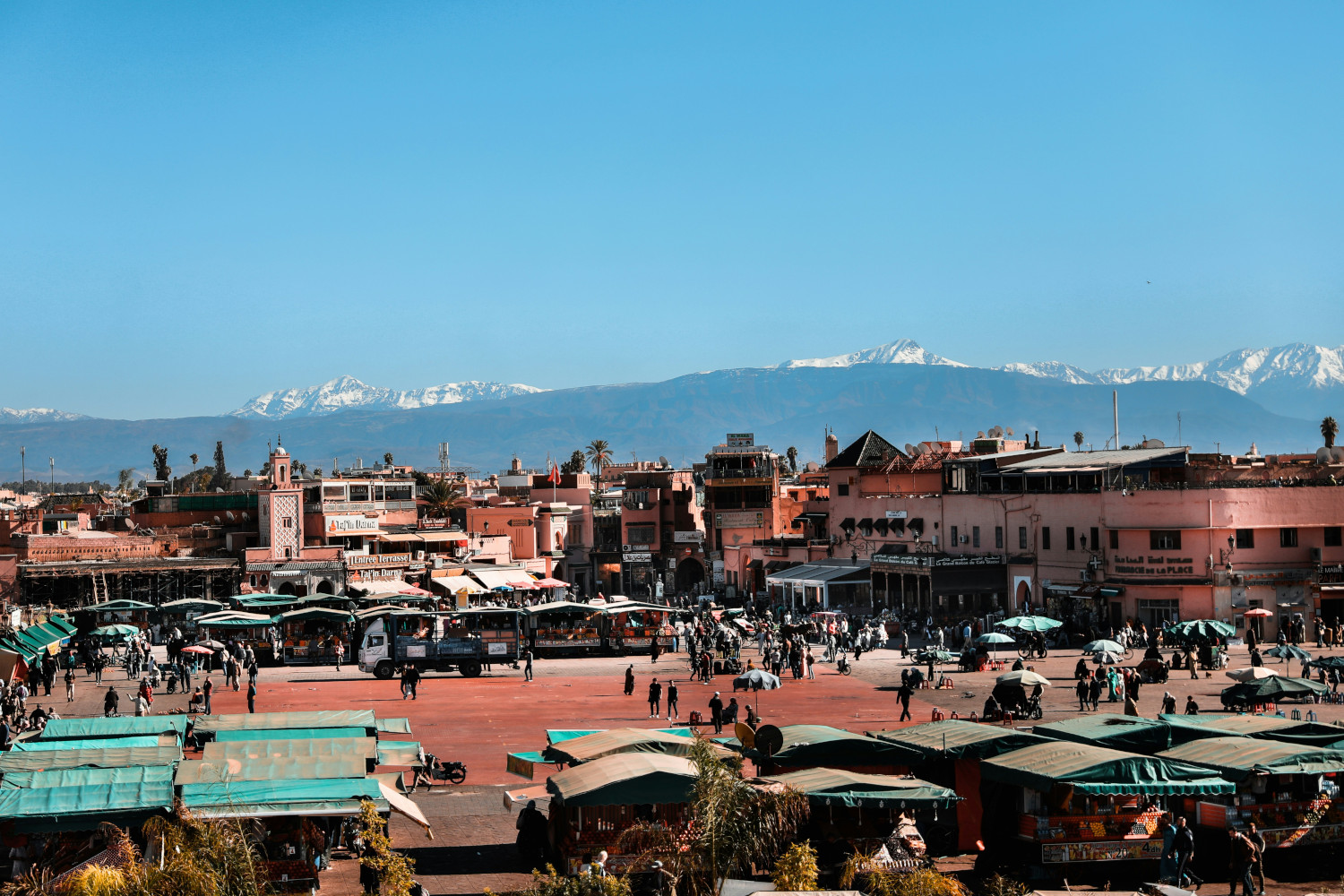
From the bustling markets of Marrakech to the open plains of the Serengeti, every region feels like its own world. Planning a trip here can feel overwhelming at first, but once you understand how it’s structured, it becomes one of the most rewarding places you’ll ever travel.
Why Travel to Africa?
Africa is the only continent where you can watch a million wildebeest cross a river, stand inside a 5,000-year-old pyramid, trek to see mountain gorillas in misty highlands, and end your trip on a white-sand island that looks like a screensaver — all within the same two-week trip if you plan it right.
It’s also one of the most misunderstood destinations in travel. The reality is that large parts of Africa are safe, well-touristed, and easier to visit than most people assume. The continent rewards curious travelers who do their research — and this guide is where that starts.
When to Go to Africa
Africa isn’t a one-season destination, it’s a year-round continent where the best time to visit depends entirely on what you want to experience. From the Great Migration sweeping across East Africa to sun-soaked beaches in the Indian Ocean, vibrant festivals in West Africa, and mild, culture-rich winters in the north, every month offers something completely different. Weather patterns vary widely by region, with shifting dry and rainy seasons influencing wildlife viewing, landscapes, and travel costs. This guide breaks it all down month by month, helping you choose the perfect time—and place—to match your travel style, whether you’re chasing safaris, beaches, culture, or adventure.
Regions of Africa
Africa is too large and too diverse to plan around as a whole. Understanding its five regions is the single most important step in planning any African trip.
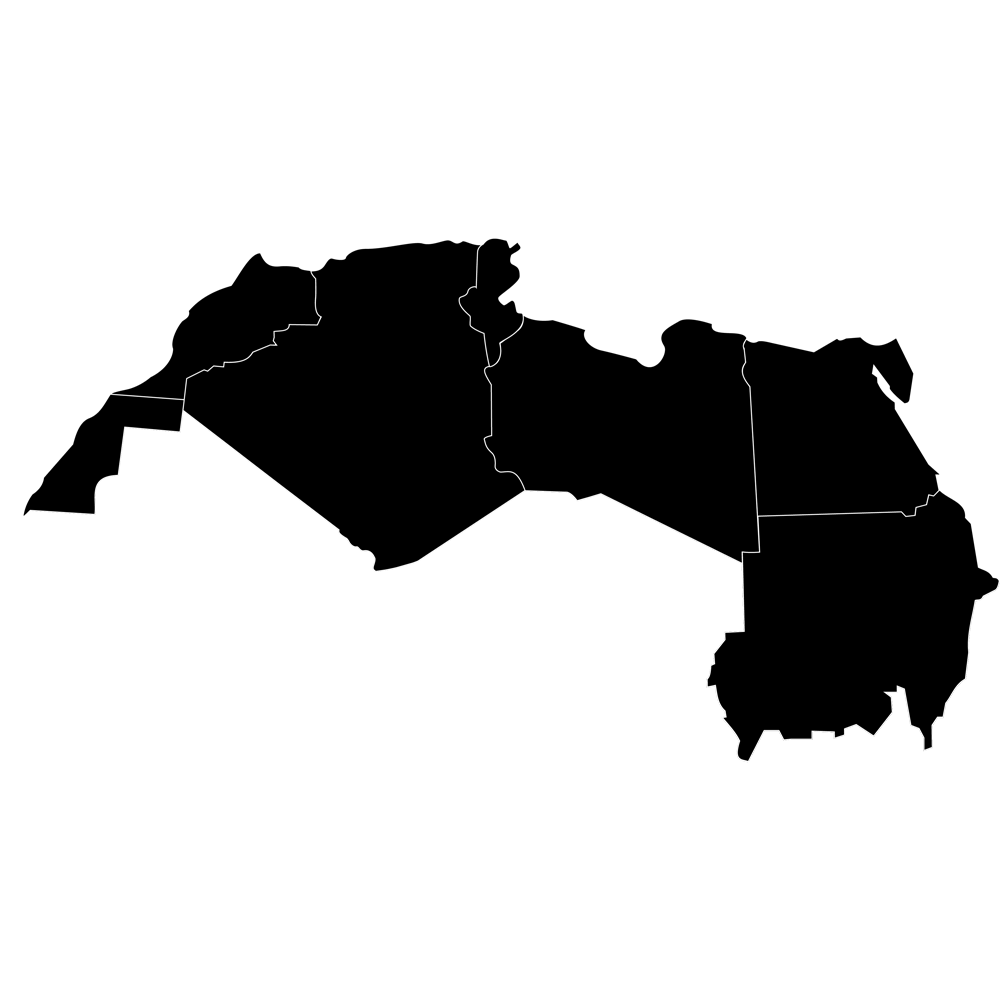
Northern Africa
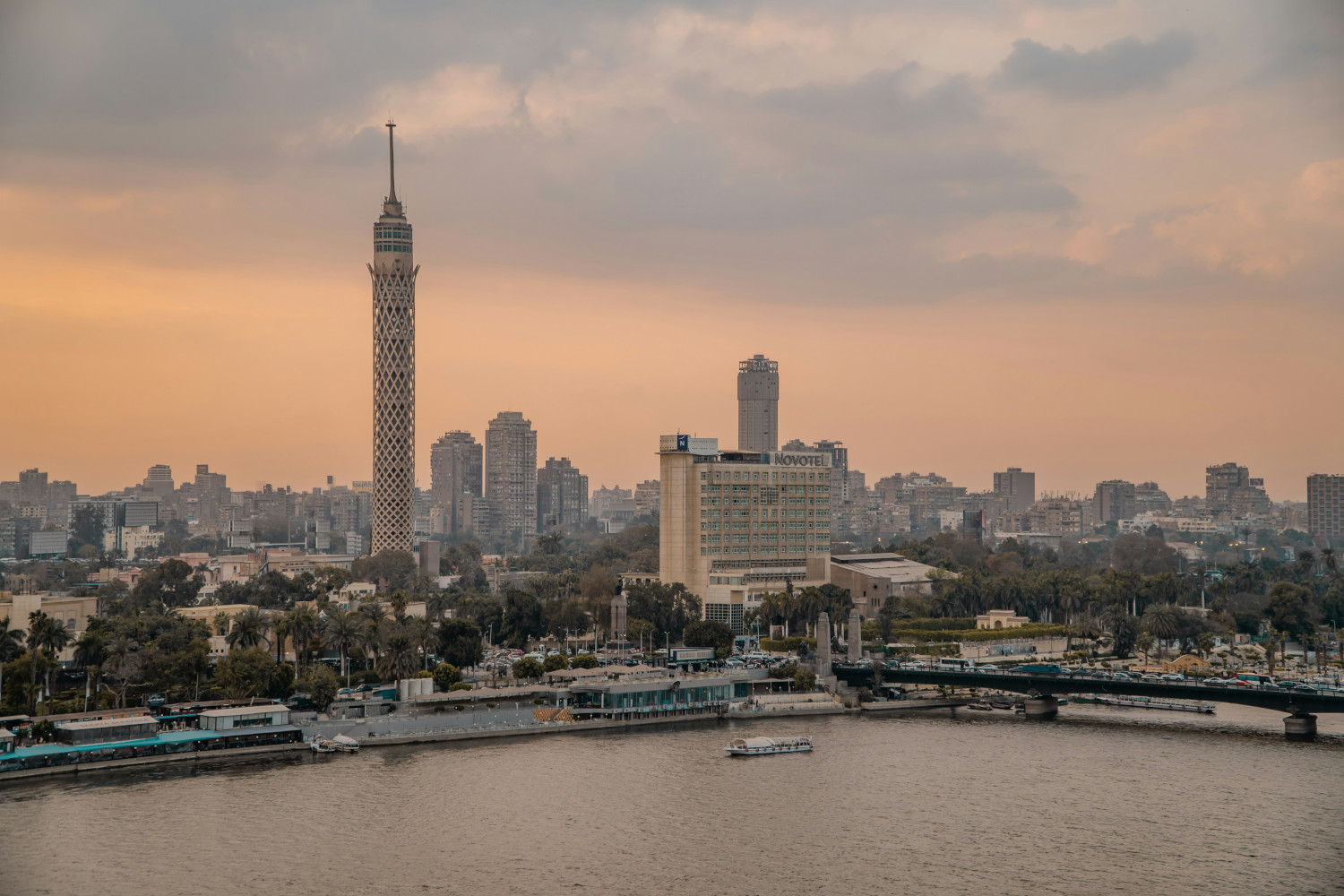
Northern Africa blends ancient history with striking desert landscapes and strong cultural identity shaped by Arab and Berber influences. This region is home to some of the world’s most iconic landmarks, including the pyramids of Egypt and the vast Sahara Desert, while cities like Marrakech and Tunis offer vibrant markets, intricate architecture, and rich traditions. The travel experience here is immersive and sensory, with a mix of historic exploration, desert adventures, and coastal escapes along the Mediterranean.
Algeria, Egypt, Libya, Morocco, Sudan, Tunisia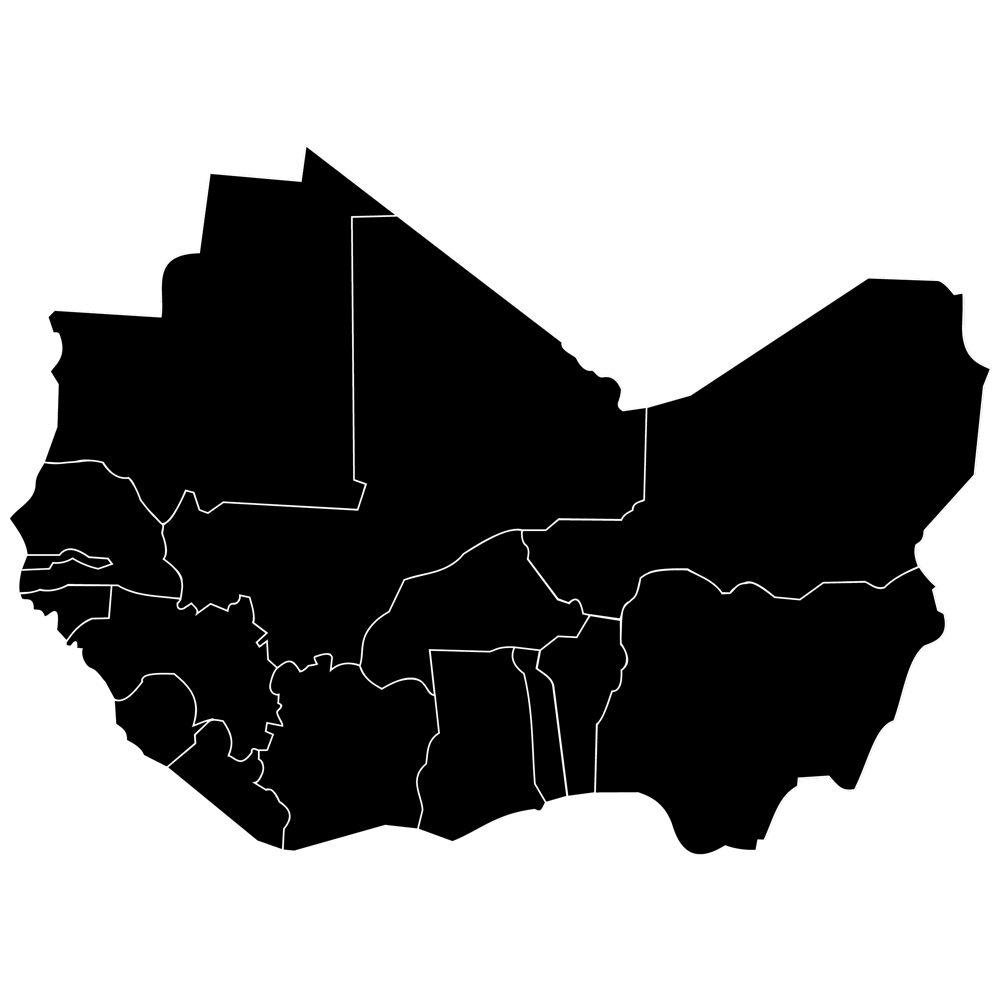
Western Africa
West Africa is defined by its powerful cultural presence, deep history, and energetic atmosphere. Known for its music, art, and storytelling traditions, this region offers a travel experience rooted in community and heritage. Coastal countries like Ghana and Senegal provide a mix of historical sites, including former slave trade forts, alongside lively cities and beaches. Traveling here is less about polished tourism and more about authentic connection, making it especially appealing for those seeking meaningful cultural experiences.
Benin, Burkina Faso, Cape Verde, Côte d’Ivoire, Gambia, Ghana, Guinea, Guinea-Bissau, Liberia, Mali, Mauritania, Niger, Nigeria, Senegal, Sierra Leone, Togo
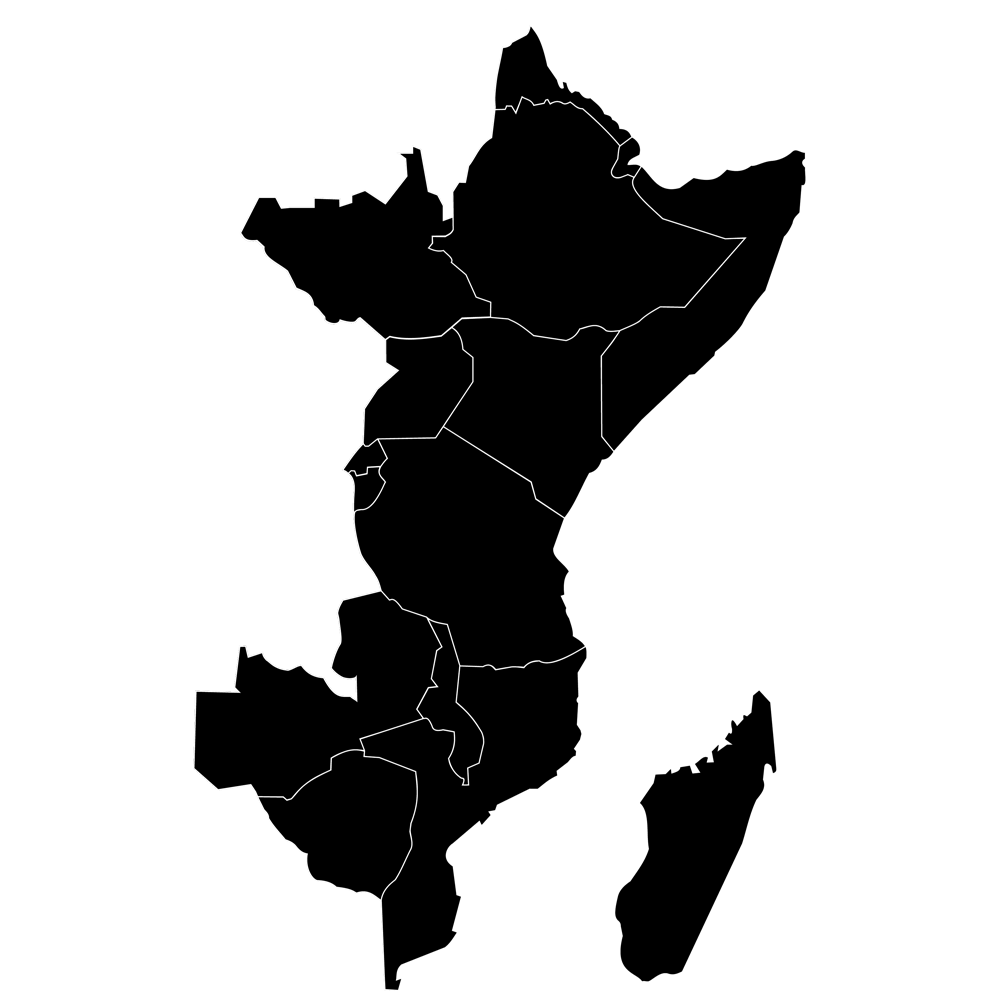
Eastern Africa
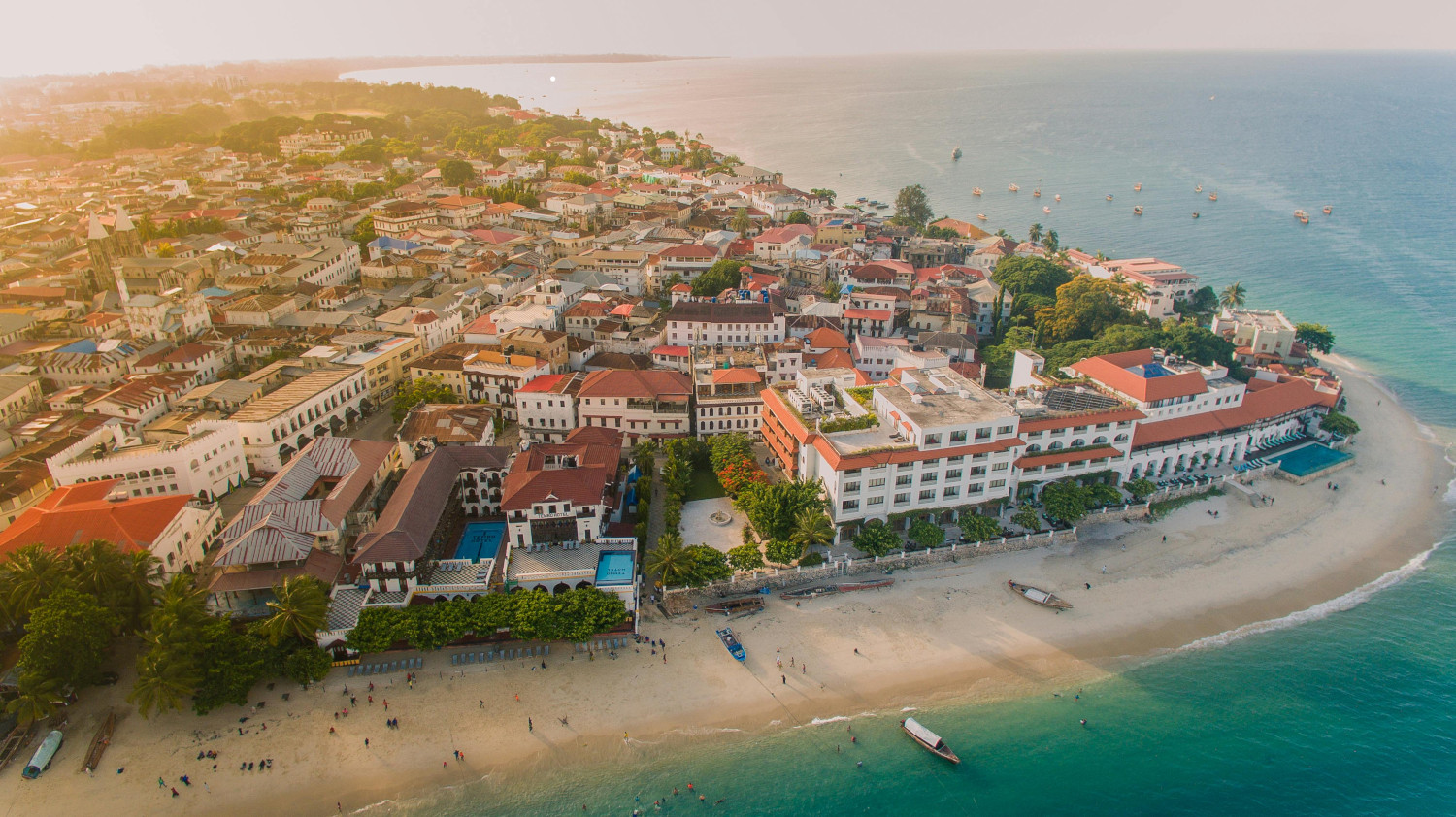
East Africa is one of the most iconic travel regions in the world, best known for its extraordinary wildlife and safari experiences. Countries like Kenya and Tanzania offer access to the Serengeti and Maasai Mara, where travelers can witness the Great Migration and see animals in their natural habitat. Beyond safaris, the region features dramatic landscapes, including Mount Kilimanjaro and the beaches of Zanzibar, creating a balance between adventure and relaxation that is hard to match.
Burundi, Comoros, Djibouti, Eritrea, Ethiopia, Kenya, Madagascar, Mauritius, Rwanda, Seychelles, Somalia, South Sudan, Tanzania, Uganda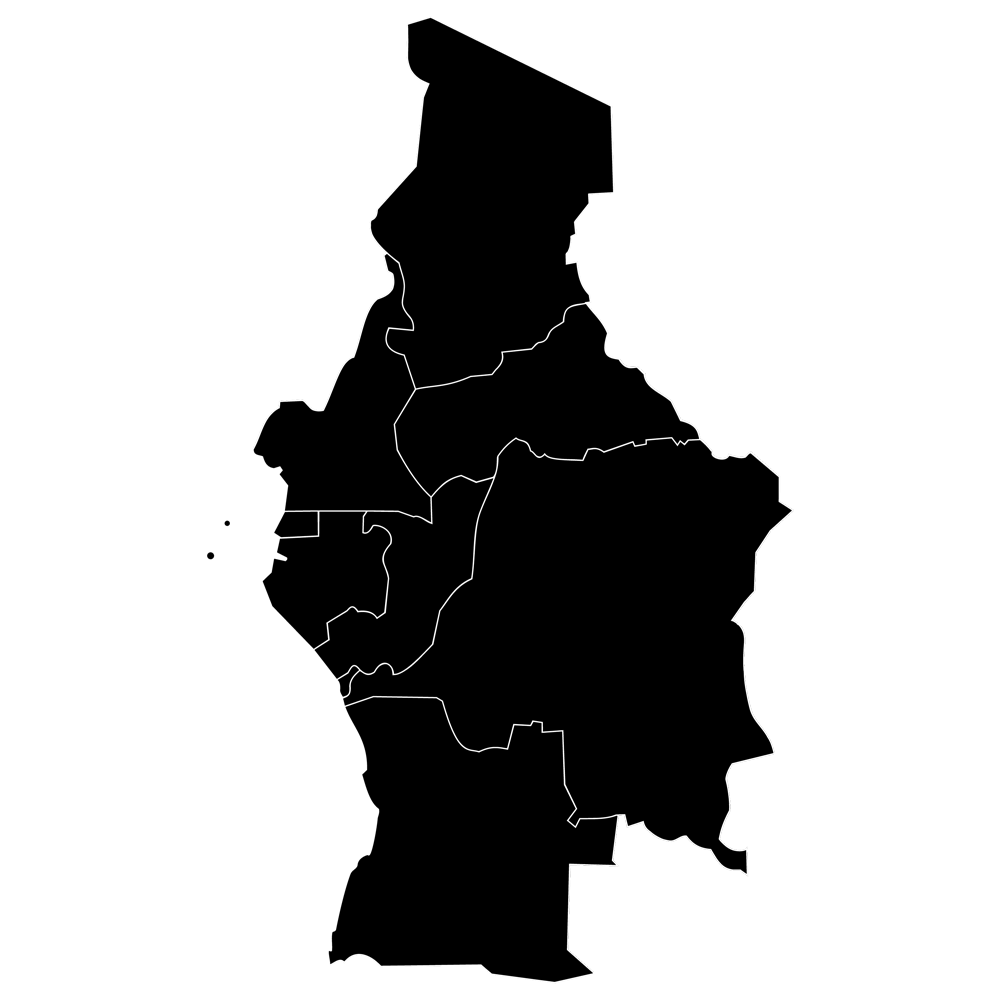
Central Africa
Central Africa is one of the least explored regions of the continent, offering raw, untouched environments dominated by dense rainforests and powerful river systems. This region is ideal for adventurous travelers looking to go off the beaten path, with experiences like gorilla trekking in Rwanda and exploring remote national parks. Tourism infrastructure is less developed here, but that’s part of the appeal—this is Africa in its most natural and unfiltered form.
Angola, Cameroon, Central African Republic, Chad, Republic of the Congo, Democratic Republic of the Congo, Equatorial Guinea, Gabon, São Tomé and Príncipe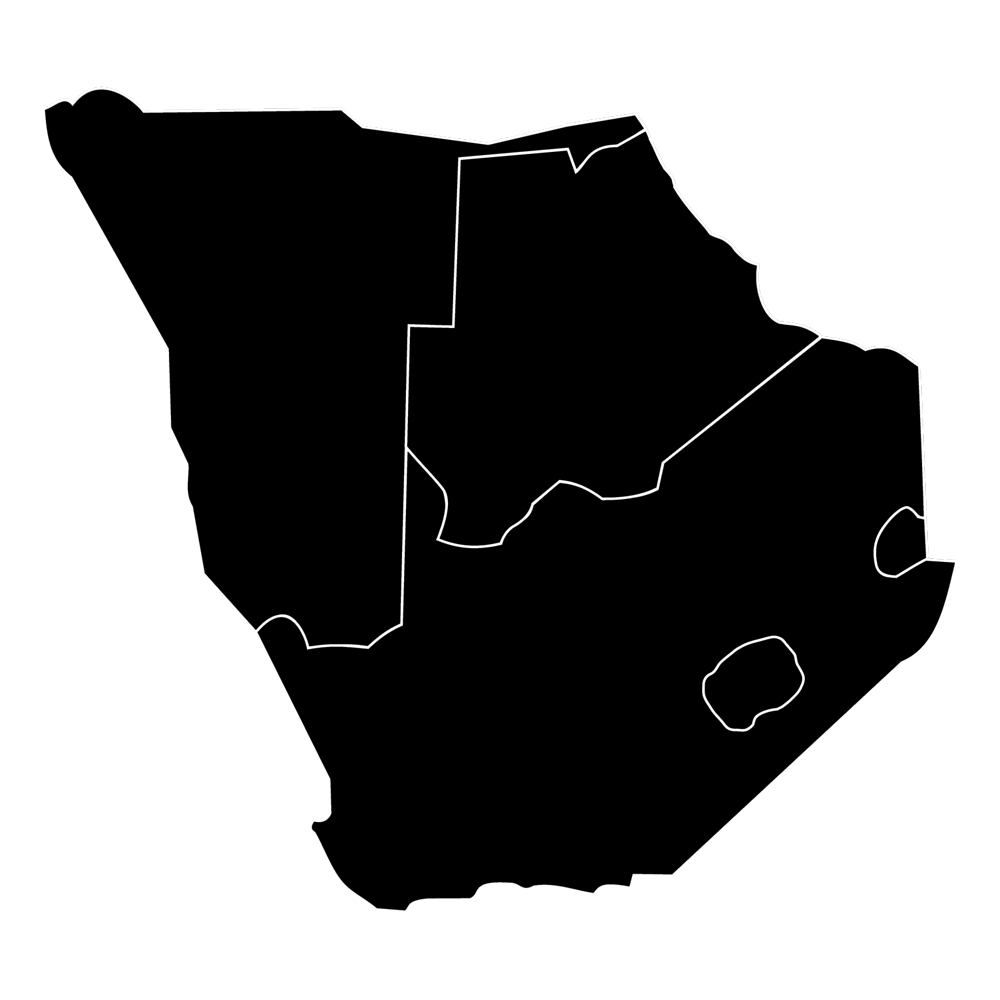
Southern Africa
Southern Africa offers a diverse and accessible travel experience, combining modern cities with some of the continent’s most dramatic natural landscapes. South Africa stands out for its blend of urban culture, wine regions, and coastal scenery, while countries like Namibia and Botswana deliver world-class safaris and desert landscapes. Highlights such as Victoria Falls add to the region’s appeal, making it a well-rounded destination for both first-time visitors and seasoned travelers.
Botswana, Eswatini, Lesotho, Malawi, Mozambique, Namibia, South Africa, Zambia, ZimbabweAfrica by the Numbers
Total area
30.3 million km²
(largest continent)
(largest continent)
Population
~1.4 billion
Languages
2,000+
Ethnic Groups
3,000+
Currencies
40+
Most Visited
Morocco, Egypt, South Africa
Getting to Africa
Traveling to Africa typically involves flying into major international hubs such as Johannesburg, Nairobi, Cairo, or Casablanca. These cities act as gateways to their respective regions and are often the most affordable and accessible entry points. Depending on where you’re coming from, flights can be long, and routes may include connections through Europe or the Middle East.
Once you arrive, getting to your final destination may require additional domestic flights or overland travel. Planning your route in advance is essential to avoid unnecessary delays or high costs.
Where to Stay
Accommodation options across Africa range from budget-friendly hostels to high-end luxury lodges. In cities and tourist hubs, you’ll find a wide variety of hotels and guesthouses, while safari destinations often feature unique lodges and tented camps.
In more remote areas, options may be limited, making advance booking important. The level of comfort and service can vary significantly, so researching your options ahead of time is key.
Featured Cities

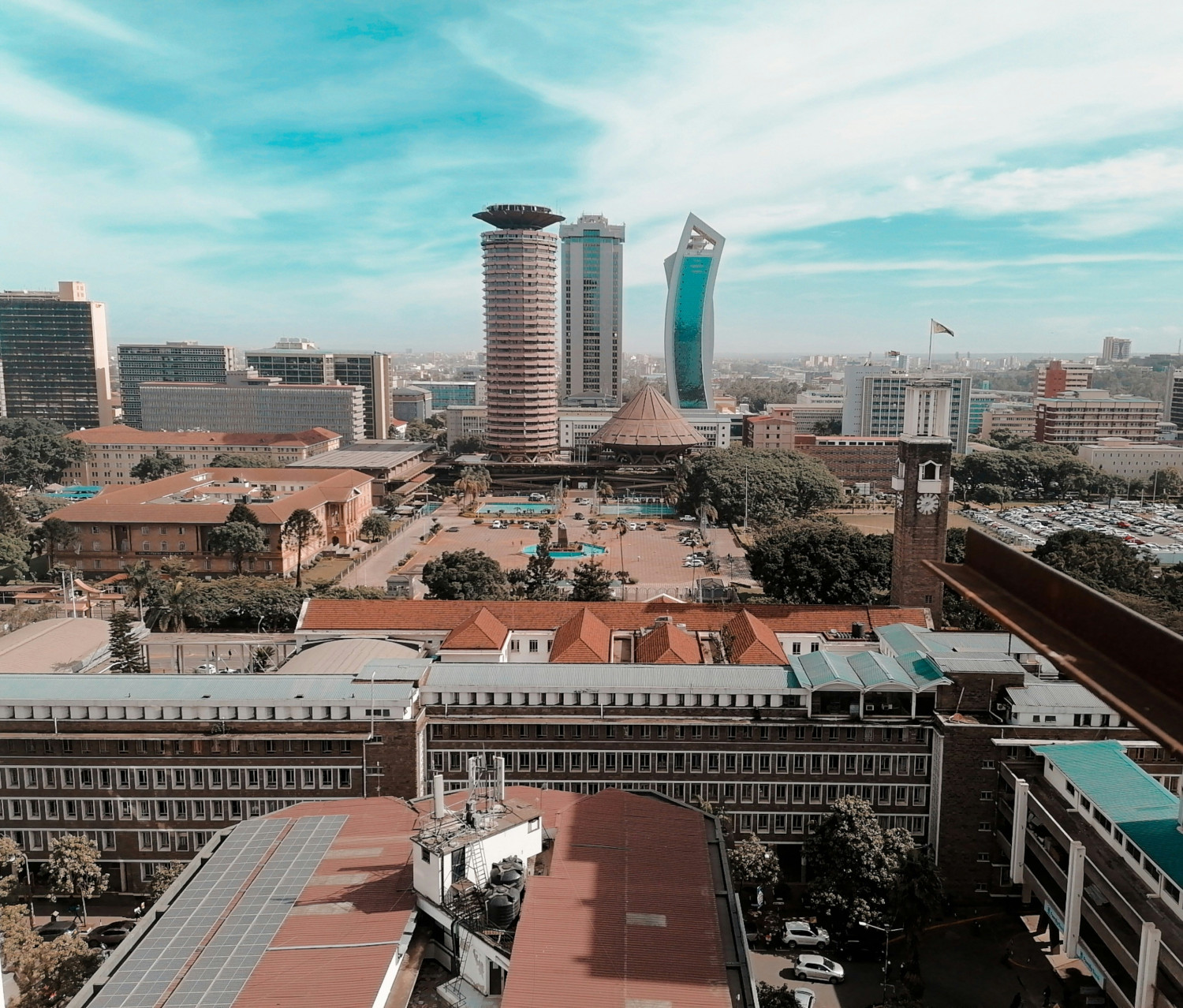
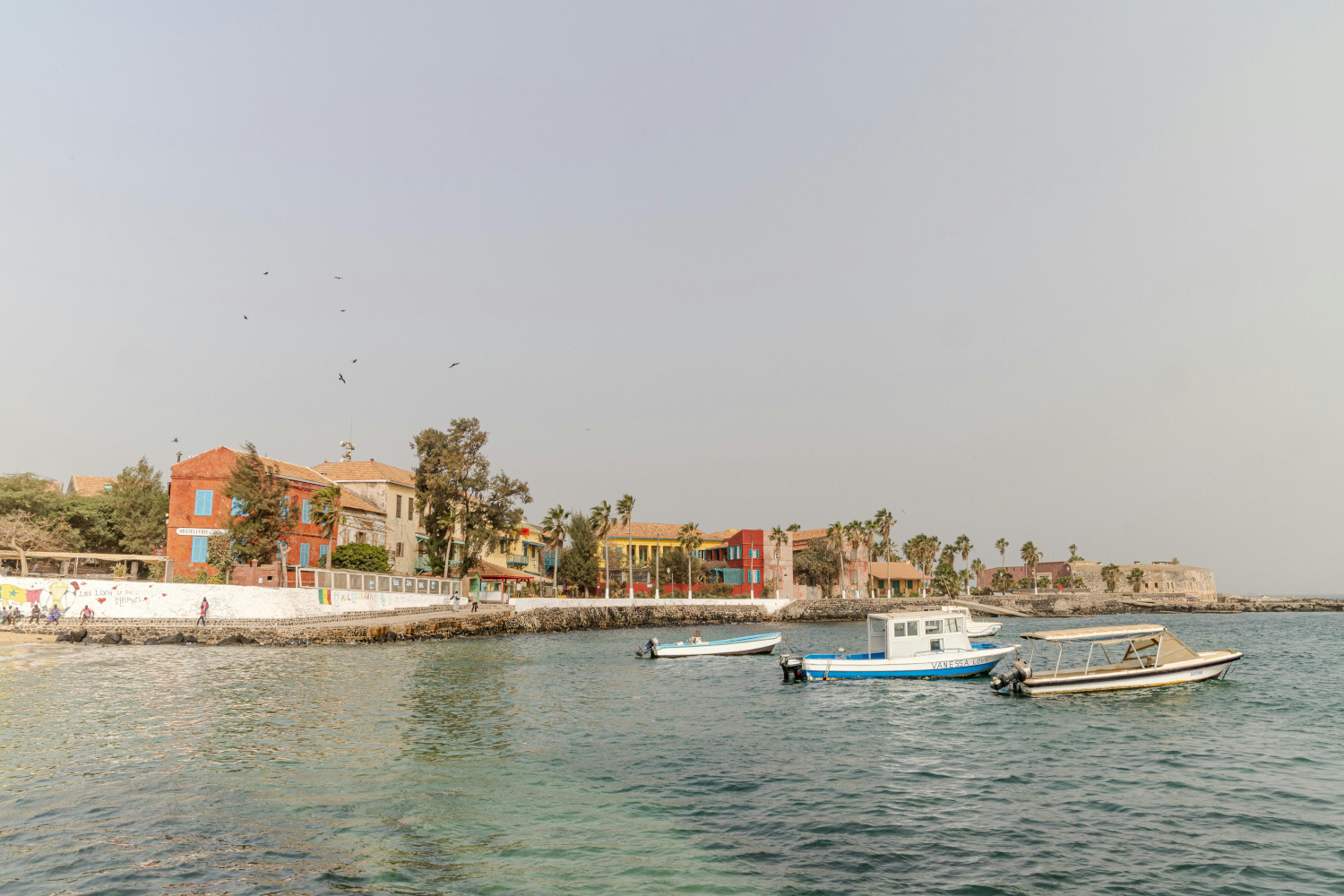
Getting Around
Transportation across Africa varies widely depending on the country and region. Domestic flights are often the most efficient option for covering large distances, especially in countries where infrastructure is limited. Buses and shared transport are common and affordable, though they may not always run on strict schedules.
In many destinations, hiring a private driver or joining a guided tour is the most practical way to explore, particularly for safaris or remote areas. Road conditions and driving standards can differ significantly, so independent driving is not always recommended for first-time visitors.
Things to Do
Africa is home to some of the most iconic travel experiences in the world. Wildlife safaris are a major draw, offering the chance to see animals like lions, elephants, and giraffes in their natural habitat. Beyond safaris, there are ancient historical sites, vibrant cities, and breathtaking natural landscapes to explore.
From hiking Mount Kilimanjaro to exploring the pyramids of Egypt or relaxing on the beaches of Zanzibar, the range of activities is unmatched. Every region offers something completely different, making it possible to tailor your trip to your exact interests.
Food & Drink
African cuisine is incredibly diverse, shaped by local ingredients, cultural influences, and regional traditions. In North Africa, dishes are rich in spices and slow-cooked flavors, while in West Africa, meals often center around rice, stews, and grilled meats.
Street food is a major part of the culinary experience, offering affordable and authentic options that reflect local culture. Fresh produce, bold flavors, and regional specialties make food one of the highlights of traveling through Africa.
Safety
Safety in Africa depends heavily on the specific country and region you’re visiting. Many destinations are well-established for tourism and offer safe, welcoming environments, while others may require more caution.
Staying informed, following local advice, and taking basic precautions can go a long way in ensuring a safe trip. It’s also important to stay updated on travel advisories and health requirements before your journey.
Currency
Africa uses a wide variety of currencies, with each country operating its own — from the South African Rand (ZAR) and Moroccan Dirham (MAD) to the Kenyan Shilling (KES) and Egyptian Pound (EGP). In some regions, currencies are shared, such as the West African CFA Franc (XOF) and Central African CFA Franc (XAF), which are used across multiple countries.
Cash vs Card
Cash is essential in many parts of Africa, especially outside major cities and tourist areas. Markets, local restaurants, transport, and smaller accommodations often only accept cash. Credit and debit cards are more widely accepted in cities, hotels, and higher-end establishments, particularly in countries like South Africa, Morocco, and Kenya.
ATMs & Exchange
ATMs are available in cities and tourist hubs, but can be limited or unreliable in rural areas, so it’s important to plan ahead. Currency exchange services are commonly found at airports, banks, and official exchange offices. In some destinations, USD or EUR may be accepted or preferred for larger transactions or tours.
Tipping Culture
Tipping is common in many African countries, particularly in tourism-related services. In restaurants, hotels, and guided tours, small tips are appreciated and often expected. The exact amount varies by country, but tipping is generally more flexible than in North America.
Costs
Travel costs across Africa vary widely depending on the region. Countries like Egypt, Morocco, and parts of East Africa can be relatively affordable, while destinations like South Africa, Botswana, and safari regions tend to be more expensive, especially for accommodation and guided experiences.