
Travel Guide
Caribbean
Overview
The Caribbean is one of the world’s most sought-after tropical regions — and one of the easiest to fall in love with, again and again.
It’s a region of turquoise water and powder-soft beaches, of laid-back island rhythms and vibrant cultural traditions, of luxury resorts perched over the ocean and hidden local spots serving unforgettable food steps from the sand. From sailing between islands to diving coral reefs and hiking through lush rainforests, the Caribbean delivers a level of beauty and variety that feels almost unreal.
Whether you’re dreaming of relaxing on a white-sand beach in the Bahamas, exploring waterfalls in Jamaica, snorkeling in the crystal-clear waters of Saint Lucia, or wandering colorful colonial streets in Puerto Rico — the Caribbean is where travelers go to slow down, soak it in, and come back refreshed.
Why Travel to the Caribbean?
The Caribbean offers something for every type of traveler. Budget travelers can find affordable stays and local eats across islands like the Dominican Republic and Jamaica, while luxury seekers can indulge in private villas, overwater bungalows, and all-inclusive resorts throughout places like Saint Lucia and the Turks and Caicos. Food lovers will discover bold, flavorful cuisines shaped by African, European, and Indigenous influences, while culture seekers can experience music, festivals, and traditions unique to each island.
It’s also one of the most accessible tropical destinations for many travelers, with frequent direct flights, short travel times from North America, and a wide range of island options to suit every travel style. Whether you’re planning a quick beach escape or an extended island-hopping adventure, the Caribbean offers endless variety — with each island delivering its own distinct experience.
When to Go to the Caribbean
The Caribbean doesn’t have one single season — it runs on a tropical climate with subtle but important shifts throughout the year. The region generally follows a dry and wet season pattern, with the most popular travel window falling between December and April when skies are clear, humidity is lower, and conditions are ideal across most islands. From June to November, the wet season brings higher humidity, short tropical showers, and the Atlantic hurricane season, though impacts vary widely by island and many days still see plenty of sunshine.
Some islands shine at different times of year — the Bahamas and Turks and Caicos are at their best in winter, while places like Aruba, Curaçao, and Bonaire sit outside the hurricane belt and offer reliable conditions even during the wetter months. Shoulder seasons like May and early June or late November can offer the perfect balance of great weather, fewer crowds, and better prices.
The best time to visit the Caribbean depends entirely on which island you choose and the kind of experience you’re looking for.
Regions of the Caribbean
The Caribbean may look like one unified stretch of islands on a map, but in reality, it’s a collection of distinct regions, each with its own culture, landscape, and travel experience. From the close-to-home islands of the Bahamas to the rugged, mountainous terrain of the Eastern Caribbean and the culturally rich Greater Antilles, understanding how the Caribbean is divided makes planning your trip far easier. Whether you’re chasing luxury beaches, vibrant nightlife, untouched nature, or deep cultural roots, each region offers something completely different.
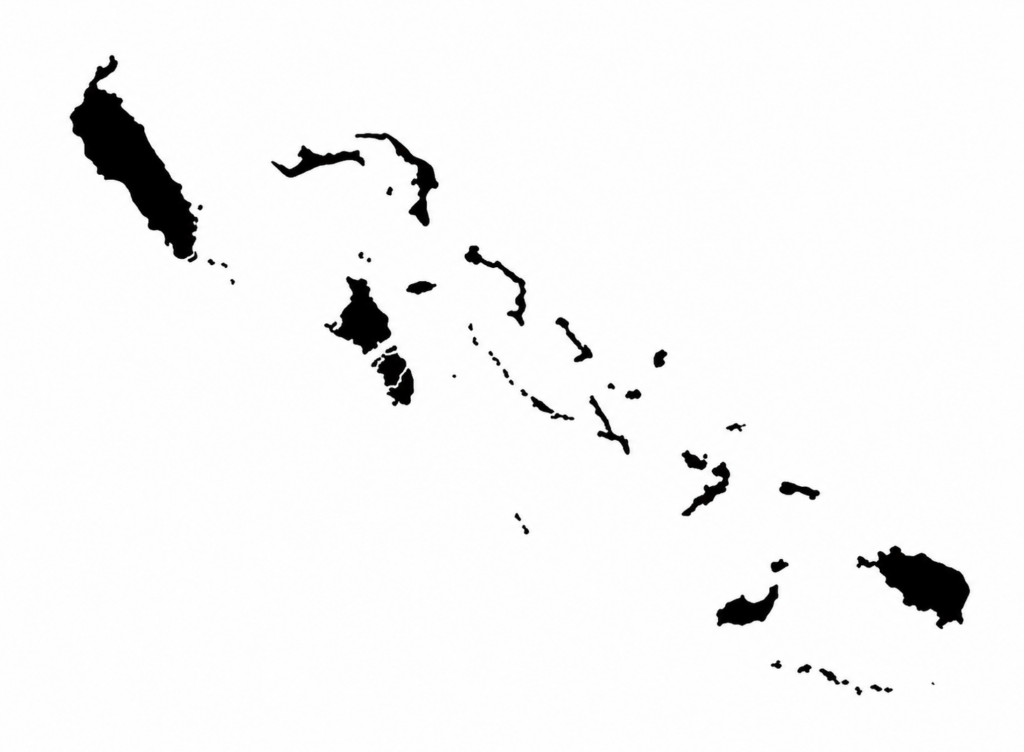
The Bahamas
The Bahamas sit just off the coast of Florida, making them one of the most accessible Caribbean destinations. This region is known for its crystal-clear, shallow turquoise waters, white-sand beaches, and laid-back luxury vibe. Islands like Nassau and Paradise Island offer resorts, nightlife, and easy travel, while the Exumas and Out Islands provide a quieter, more remote experience with swimming pigs, sandbars, and untouched beaches. It’s an ideal region for quick getaways, boating, and classic tropical relaxation.
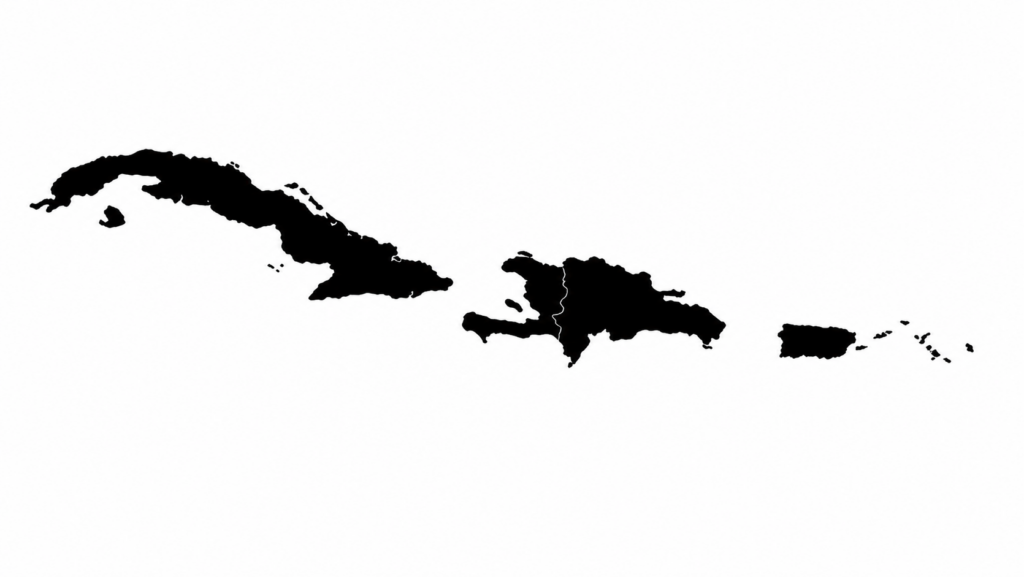
The Greater Antilles
The Greater Antilles are the largest and most diverse islands in the Caribbean. This region blends culture, history, and varied landscapes—from colonial cities and music scenes to mountains, waterfalls, and beaches. Jamaica is known for reggae, waterfalls, and all-inclusive resorts, while the Dominican Republic offers a mix of beaches and adventure. Puerto Rico combines Caribbean beauty with U.S. accessibility, and Cuba delivers a completely unique, time-capsule cultural experience. This region is perfect for travelers who want more than just beaches.

The Lesser Antilles
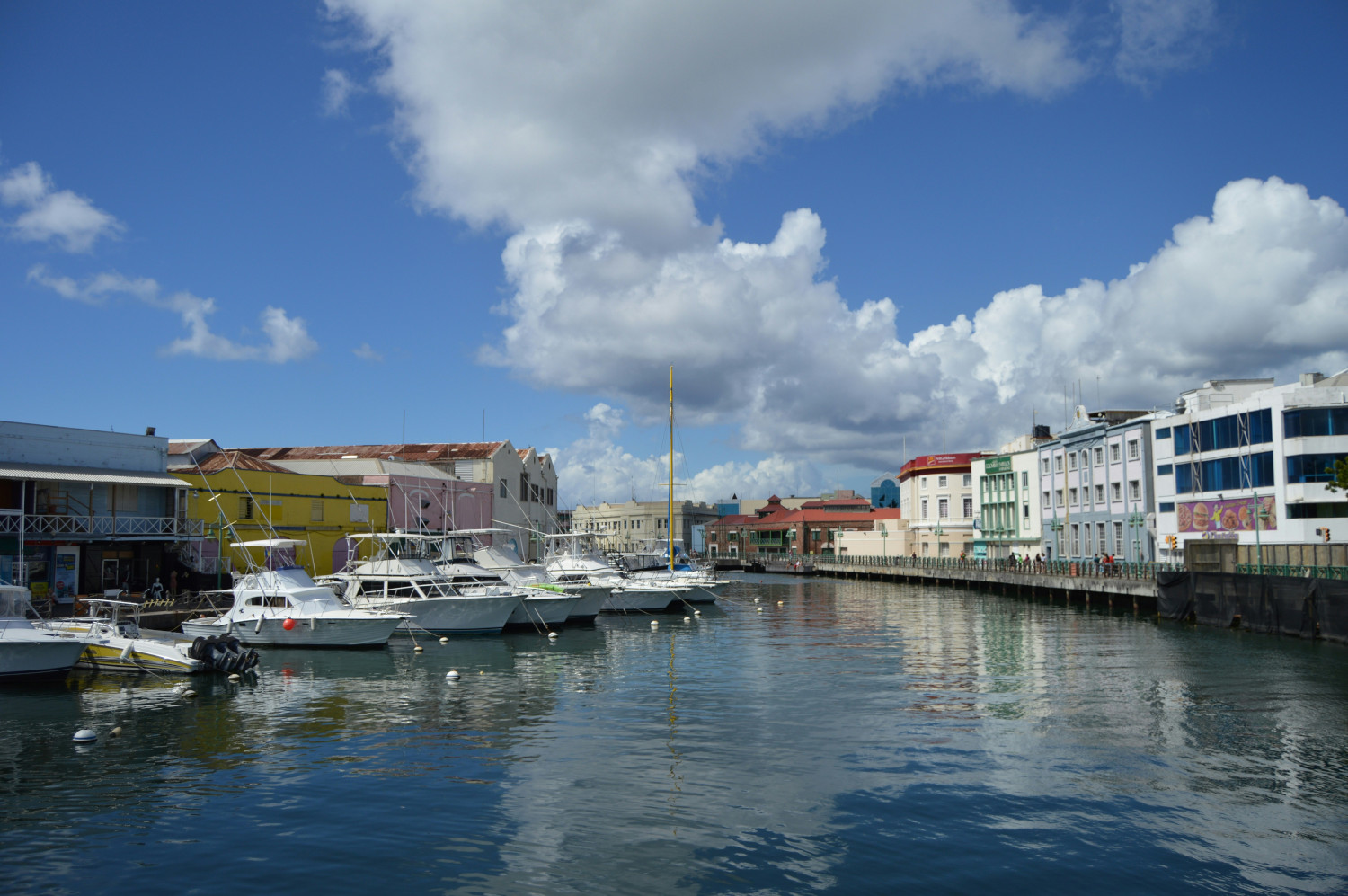
The Lesser Antilles stretch in an arc from the Virgin Islands down to Grenada and are often divided into the Leeward and Windward Islands. This region is known for its dramatic scenery—think volcanic peaks, lush rainforests, and some of the most beautiful beaches in the Caribbean. Islands like Saint Lucia, Antigua, Barbados, and Grenada each offer a unique mix of luxury, culture, and nature. This is where you’ll find many of the Caribbean’s most iconic postcard views, making it perfect for honeymooners, island-hoppers, and travelers looking for a mix of relaxation and adventure.
Antigua & Barbuda, Barbados, Dominica, Grenada, Saint Kitts & Nevis, Saint Lucia, Saint Vincent and the Grenadines, Trinidad and Tobago
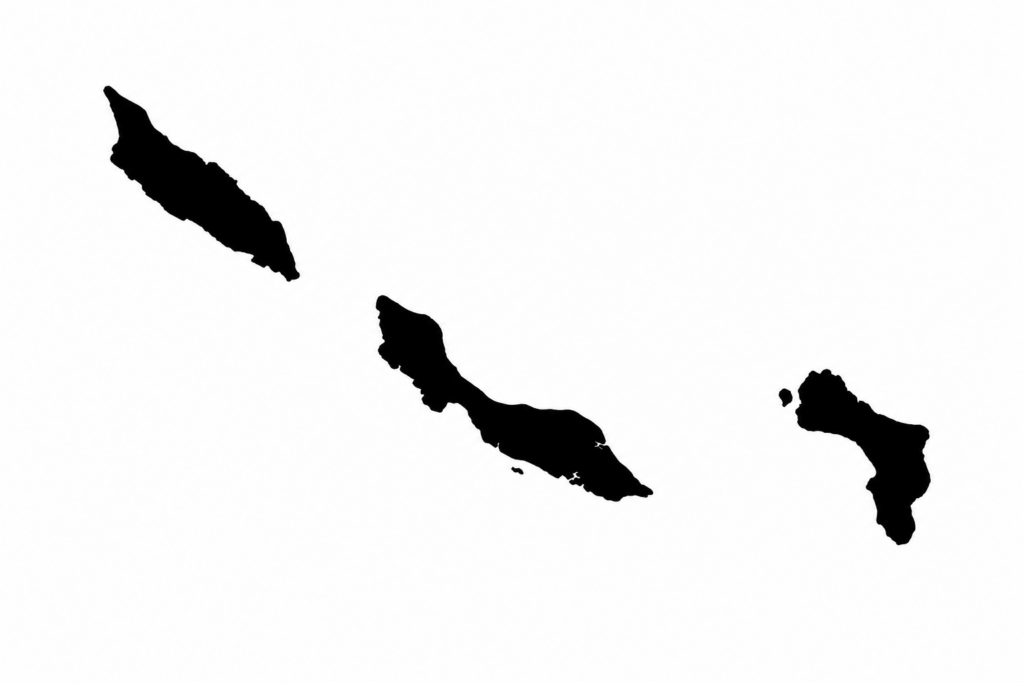
The ABC Islands
Located just off the coast of Venezuela, the ABC Islands stand out for their dry, sunny climate and location outside the main hurricane belt. These islands offer a different Caribbean experience, with desert-like landscapes, colorful Dutch-influenced architecture, and some of the best snorkeling and diving in the region. Aruba is known for its beaches and resorts, Curaçao for its vibrant culture and historic towns, and Bonaire for world-class diving. This region is ideal for year-round travel and water-based activities.
Caribbean by the Numbers
Countries
30+
Total area
~2.75 million km²
Population
~44 million
Languages
10+ major
(English, Spanish, French, Dutch + Creole languages)
Ethnic Groups
Highly diverse
(African, European, Indigenous, Indian, mixed heritage)
Currencies
5+
(many islands use their own)
Time Zones
1–2 main
(AST + some variations)
Most Visited
Dominican Republic, Jamaica, Bahamas, Puerto Rico, Cuba
Getting to the Caribbean
The Caribbean is well connected from North America, Europe, and parts of South America, with frequent direct flights from major hubs like Miami, New York, Toronto, London, and Madrid. The most competitive routes are typically into popular destinations like Cancun (gateway to the western Caribbean), Punta Cana, Montego Bay, Nassau, and San Juan, with strong airline competition keeping prices relatively accessible.
Key gateway airports:
- Punta Cana International (PUJ) — One of the Caribbean’s busiest hubs; main entry point for the Dominican Republic and all-inclusive resort travel
- Sangster International (MBJ) — Jamaica’s primary tourist airport; gateway to Montego Bay, Negril, and Ocho Rios
- Lynden Pindling International (NAS) — Bahamas hub; strong connections from the US and easy access to surrounding islands
- Luis Muñoz Marín International (SJU) — Puerto Rico’s main hub; excellent regional connections across the Caribbean
- Grantley Adams International (BGI) — Barbados’ main airport; key hub for the eastern Caribbean
- Queen Beatrix International (AUA) — Aruba’s gateway; popular for southern Caribbean travel with strong North American links
Pro tip: Island-hopping in the Caribbean often requires regional flights or ferries, as direct connections between islands can be limited. Airlines like LIAT, Caribbean Airlines, and inter-island carriers connect many destinations, but routes can be indirect—so plan ahead and allow extra travel time when moving between islands.
Where to Stay
Accommodation options in the Caribbean range from budget guesthouses to world-famous luxury resorts — with a strong focus on beachfront properties and all-inclusive stays. While prices vary widely by island and season, the Caribbean is generally known for its resort-style travel, with something available for every budget.
Budget: Guesthouses, small hotels, and locally run inns are available on many islands, especially outside major resort areas. Expect around $50–120/night for simple private rooms, with more affordable options in destinations like the Dominican Republic and parts of Central America’s Caribbean coast.
Mid-range: Boutique hotels, beachfront inns, and smaller resort properties typically range from $150–350/night. These offer a balance of comfort, location, and amenities, often with ocean views, pools, and easy access to beaches.
Luxury: The Caribbean is one of the world’s top luxury travel destinations, known for high-end resorts, private villas, and all-inclusive properties. Brands like Sandals, Four Seasons, and Aman operate across the region, with prices starting around $400/night and going well beyond $1,000 for premium stays.
Unique stays: The Caribbean offers a range of unique accommodations, including overwater bungalows (in select destinations), private island resorts, eco-lodges, and boutique beachfront villas. Many stays emphasize outdoor living, ocean views, and direct beach access, creating a more immersive island experience.
Featured Cities
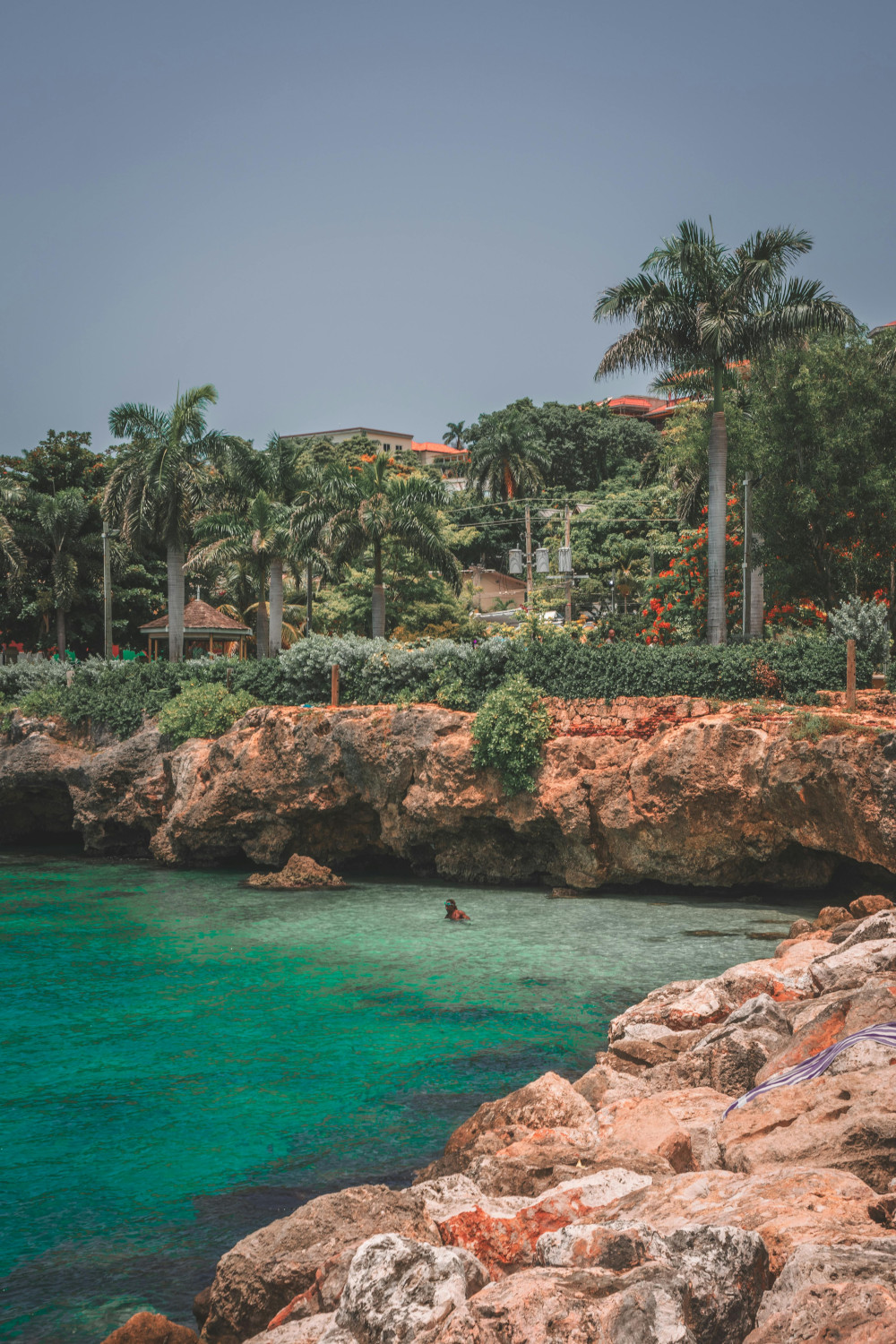
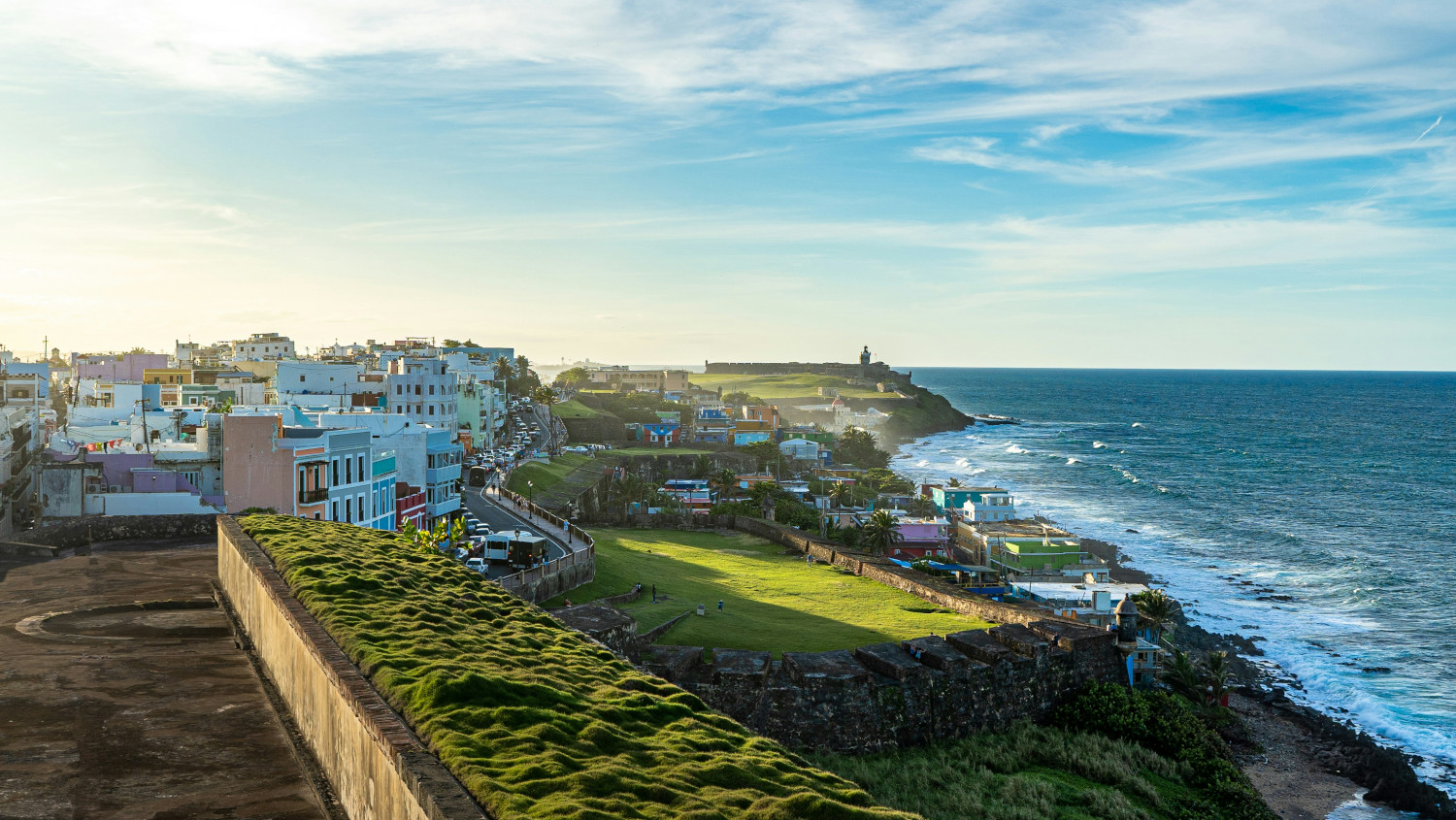
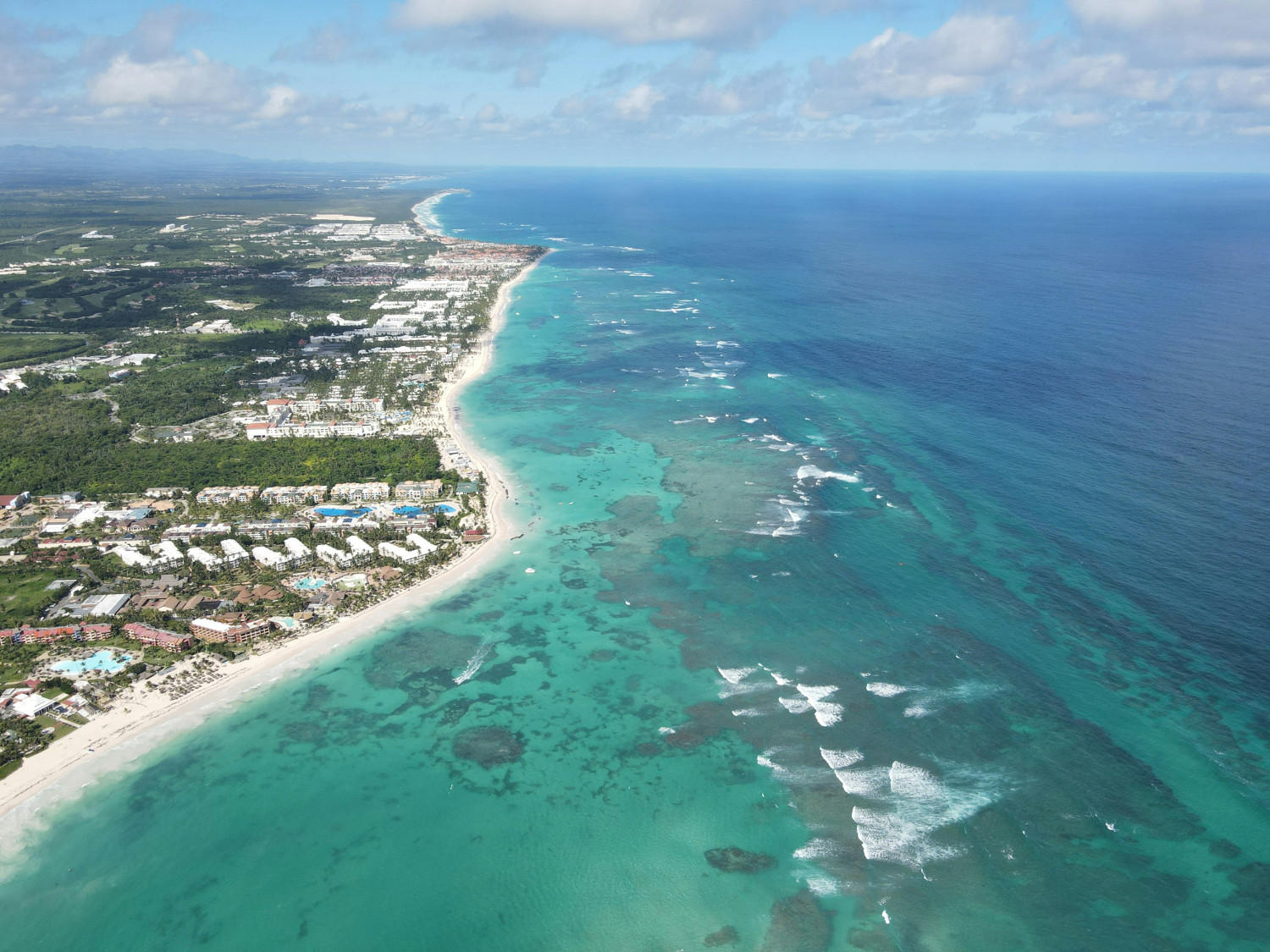
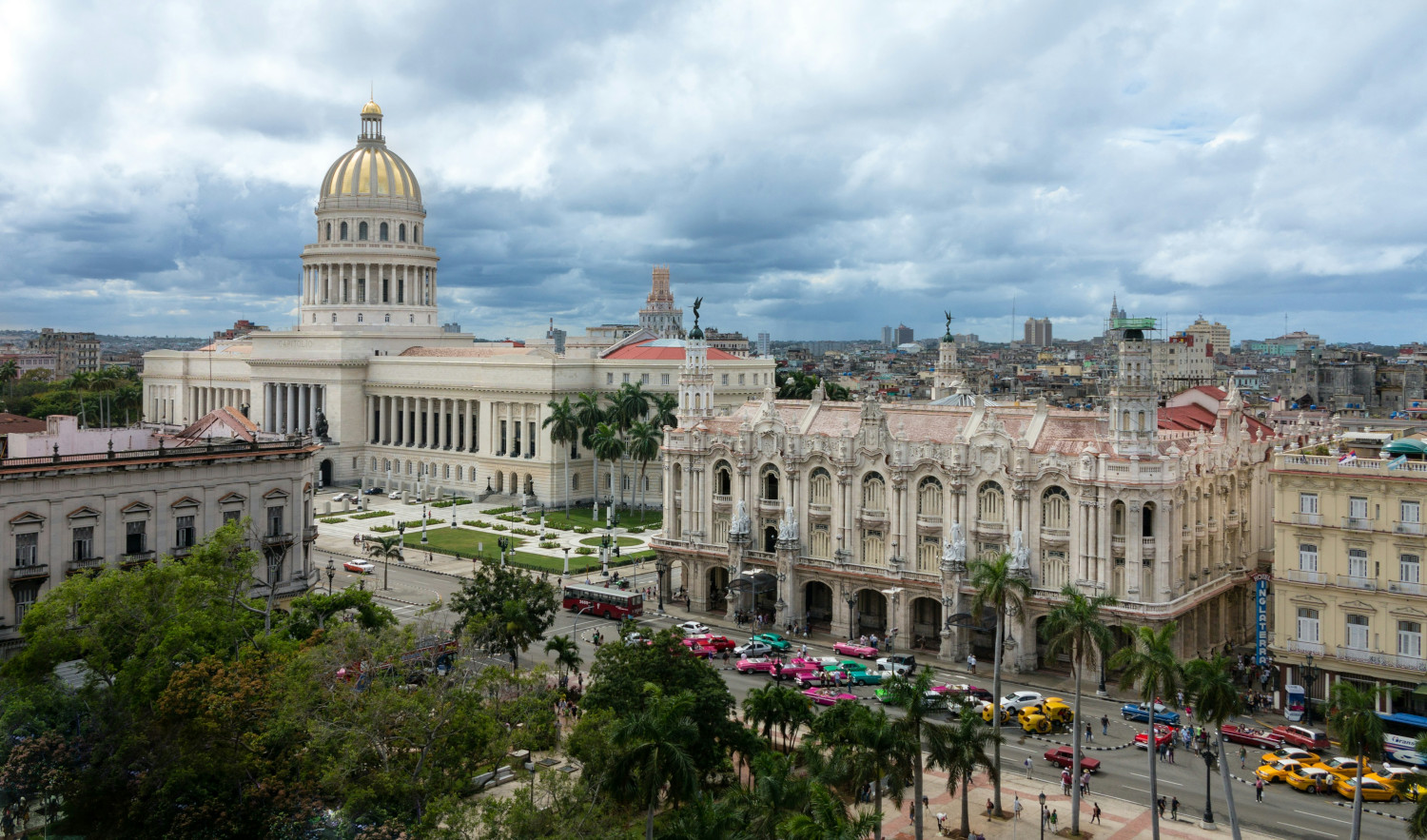
Getting Around
Getting around the Caribbean efficiently is one of the most important planning decisions you’ll make — and the options vary significantly by island and distance. Because the region is made up of many separate islands, travel often involves a mix of flights, ferries, and local transport.
Domestic & regional flights: Flying is the most common way to travel between islands, especially across longer distances. Airlines like Caribbean Airlines, LIAT (when operating), interCaribbean Airways, and regional carriers connect major destinations, though routes can be limited and indirect. Booking in advance is recommended, as prices can be high.
Ferries & boats: Ferries are essential for short-distance island-hopping, particularly in places like the U.S. Virgin Islands, British Virgin Islands, St. Lucia, and between some eastern Caribbean islands. Services vary in frequency and reliability, so checking schedules ahead of time is important.
Cruises: Cruises are a major way to explore multiple Caribbean destinations in one trip. They provide a convenient way to visit several islands without needing to arrange separate transport, though time in each destination is limited.
Taxis & private transfers: Taxis are widely available on most islands and are a common way to get around, especially from airports to resorts. Many operate on fixed rates rather than meters, so confirming the price before starting your trip is recommended.
Public transport: Local minibuses and shared vans operate on many islands and are the most affordable option for getting around. They can be less structured and harder to navigate for first-time visitors but are widely used by locals.
Car rental: Renting a car is popular on larger islands like Jamaica, Puerto Rico, and the Dominican Republic. It offers flexibility for exploring beyond resort areas, though driving conditions, road quality, and left-side driving (in some countries) can vary.
Things to Do
The Caribbean’s activity range is as diverse as its islands. A shortlist of the unmissable:
Wildlife & nature: Swimming with pigs in the Bahamas · Stingray encounters in Grand Cayman · Whale watching in the Dominican Republic · Reef snorkeling in Belize · Rainforest hiking in Dominica · Sea turtle nesting in Barbados
History & culture: Old Havana (Cuba) · Old San Juan (Puerto Rico) · Colonial Santo Domingo (Dominican Republic) · Brimstone Hill Fortress (St. Kitts) · Caribbean carnival festivals · Plantation and heritage sites across the islands
Adventure: Waterfall hikes in Jamaica (Dunn’s River Falls) · Zip-lining in St. Lucia · Volcano hikes in St. Vincent · Deep-sea fishing in the Bahamas · Scuba diving in Cozumel and Bonaire · Surfing in Barbados
Beaches & islands: Seven Mile Beach (Grand Cayman) · Eagle Beach (Aruba) · Grace Bay (Turks & Caicos) · Pink Sands Beach (Harbour Island) · The Grenadines island chain · Tulum coastline (Caribbean Mexico)
Food experiences: Jamaican jerk chicken · Fresh seafood across the islands · Cuban street food in Havana · Dominican mofongo · Rum distillery tours in Barbados and Puerto Rico · Beachfront dining and local food markets
Food & Drink
The Caribbean is home to some of the world’s most vibrant food cultures — shaped by African, European, Indigenous, and Asian influences, with each island offering its own distinct flavors and traditions.
The Greater Antilles are known for bold, comforting dishes rooted in history and culture. Cuban cuisine features slow-cooked meats and rice dishes, Jamaica is famous for jerk seasoning and street food, while Puerto Rico and the Dominican Republic highlight plantains, seafood, and rich, savory flavors.
The Lesser Antilles bring a mix of French, British, and Creole influences. Islands like Martinique and Guadeloupe offer French-Caribbean fusion cuisine, while places like St. Lucia and Grenada are known for spice-driven dishes, fresh seafood, and locally grown ingredients.
The ABC Islands reflect Dutch and Latin influences, blending Caribbean seafood with European techniques and vibrant local flavors. Dining here often combines casual beachside meals with more refined culinary experiences.
Seafood is central across the region. Fresh fish, lobster, conch, and shrimp are staples on most islands, often grilled, fried, or served with rice, beans, and tropical sides. Meals are typically simple but flavorful, emphasizing freshness and local ingredients.
Rum culture is everywhere. The Caribbean is the birthplace of rum, and distillery tours, tastings, and cocktails are a major part of the experience. Each island has its own style, from light and crisp to rich and spiced.
Local food culture is casual and social. While resorts offer international dining, some of the best meals are found at roadside stands, beach shacks, and local restaurants. Exploring beyond resorts is key to experiencing authentic Caribbean cuisine.
Safety
The Caribbean is generally safe for travelers — especially in tourist areas — but safety can vary by island, neighborhood, and travel style. Most visitors experience no issues, particularly when staying in well-known destinations and resort areas, but it’s important to stay aware and use common sense.
Generally very safe: Islands like Aruba, Barbados, the Cayman Islands, Turks & Caicos, and much of the Bahamas (tourist areas) are considered very safe, with strong tourism infrastructure and low levels of serious crime affecting visitors.
Safe with standard precautions: Popular destinations like Jamaica, the Dominican Republic, Puerto Rico, and parts of Mexico’s Caribbean coast. These are widely visited and safe for tourists, but petty crime and certain neighborhoods require awareness—especially outside resort zones.
Require extra research: Some areas in larger or less-developed islands where crime rates can be higher, particularly in certain urban neighborhoods. It’s important to research specific destinations and avoid areas not recommended for tourists.
Common sense across all of the Caribbean:
- Stick to well-known areas, especially at night
- Use licensed taxis or arranged transportation rather than unmarked vehicles
- Keep valuables secure and avoid displaying expensive items
- Be cautious with beach belongings and unattended items
- Confirm prices for taxis and services before starting
- Follow local advice from accommodations or guides
- Purchase travel insurance — especially for activities and island-to-island travel
Currency
The Caribbean uses a mix of currencies, with each island or country often having its own — from the Jamaican Dollar (JMD) and Dominican Peso (DOP) to the Barbadian Dollar (BBD) and Eastern Caribbean Dollar (XCD), which is shared across several islands. In many destinations, the US Dollar (USD) is widely accepted, especially in tourist areas, making travel easier across multiple islands.
Cash vs card: Both cash and cards are commonly used throughout the Caribbean. Credit and debit cards are widely accepted in resorts, hotels, restaurants, and tourist-focused businesses. However, cash is often preferred for taxis, small shops, local restaurants, markets, and tips—especially outside major tourist areas.
ATMs & exchange: ATMs are available in cities, towns, and tourist hubs, though availability can be limited on smaller islands or in rural areas. Withdrawal fees may apply depending on your bank. Currency exchange services are found at airports, banks, and hotels, but using ATMs usually provides better rates.
Tipping culture: Tipping is common across the Caribbean, particularly in tourism-related services. Many restaurants automatically include a service charge (often 10–15%), but additional tipping is appreciated for good service. Hotel staff, drivers, and tour guides also typically expect small tips.
Costs: The Caribbean is generally considered a moderately expensive travel destination, with prices varying by island. Popular resort destinations like the Bahamas, Barbados, and Turks & Caicos tend to be more expensive, while places like the Dominican Republic and parts of Jamaica can be more affordable. Food, accommodation, and activities—especially in tourist areas—can add up quickly.