
Travel Guide
South America
Overview
South America is one of the world’s great travel continents — and one of the most consistently underestimated.
It’s a continent of staggering extremes. The Amazon Basin contains the largest tropical rainforest on Earth. The Atacama Desert is the driest place on the planet. Patagonia’s Torres del Paine delivers some of the most dramatic wilderness landscapes anywhere in the world. The Andes run the entire length of the continent like a spine — 7,000 kilometres of mountain range that shaped every civilization that grew in its shadow. And scattered across it all are cities of extraordinary energy, food, music, and culture that rival anything in Europe or Asia.
Whether you’re trekking to Machu Picchu in Peru, dancing in the streets of Rio de Janeiro in Brazil, crossing the salt flats of Bolivia at sunrise, eating your way through Buenos Aires in Argentina, or watching penguins on the Falkland Islands — South America is where travelers go and come back from changed.
The best way to experience South America depends entirely on where in South America you’re going.
Why Travel to South America ?
South America rewards every type of traveler — and does so at a price point that makes it one of the world’s best-value destinations for the quality of experience on offer.
Adventure travelers have more here than almost anywhere on Earth. Peru‘s Inca Trail, Chile‘s Patagonia, Ecuador‘s Galápagos Islands, Bolivia‘s Salar de Uyuni, and Venezuela‘s Angel Falls — the highest waterfall in the world — are experiences that simply don’t exist anywhere else. Wildlife seekers have the Amazon, the Galápagos, the Pantanal wetlands of Brazil and Paraguay, and the Peninsula Valdés in Argentina — some of the greatest wildlife concentrations on the planet.
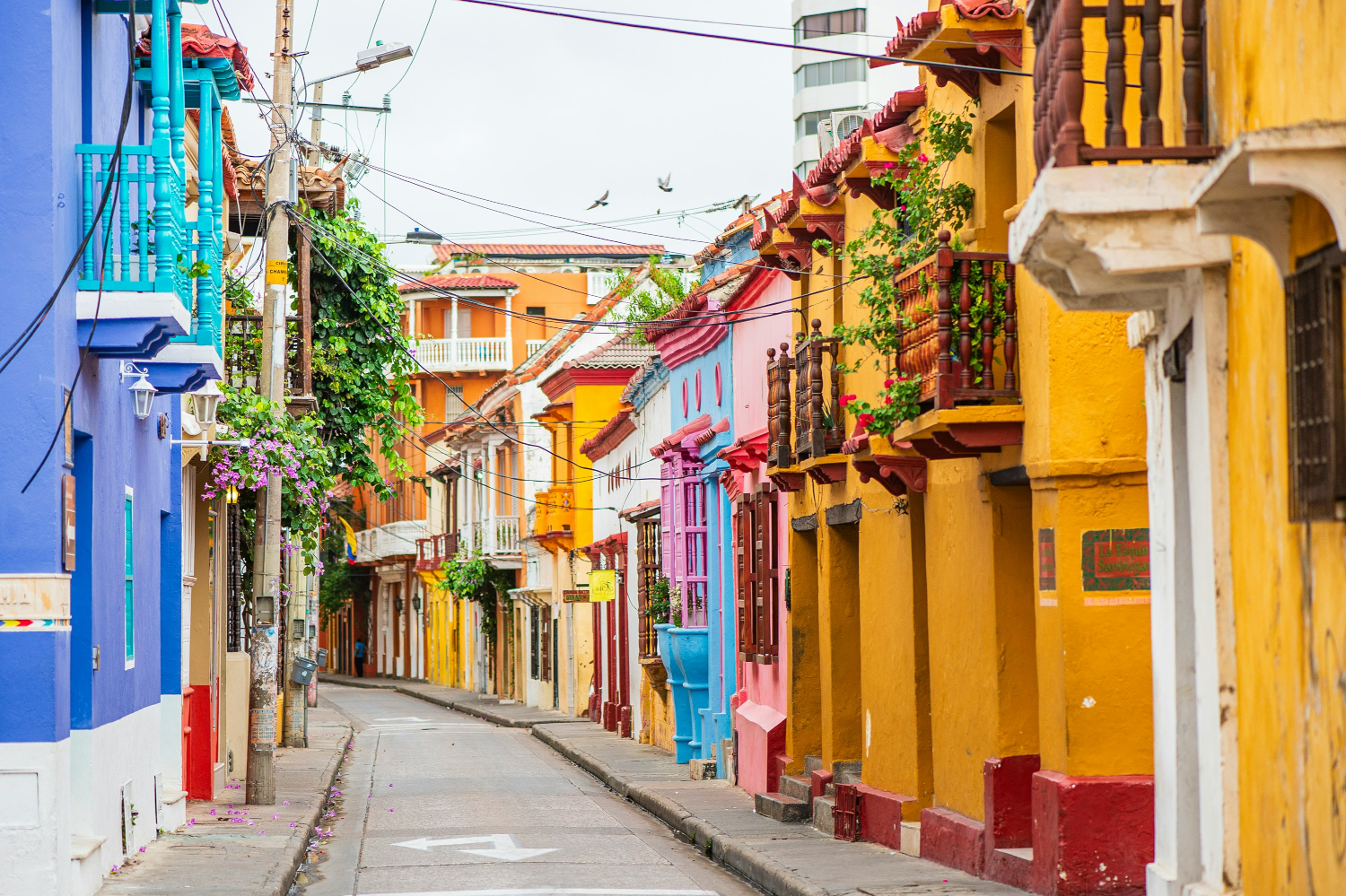
Culture travelers have ancient civilizations, colonial heritage, and living Indigenous traditions that span the full length of the continent. The Inca Empire left behind a trail of ruins from Colombia to Argentina. Spanish and Portuguese colonial cities — Cartagena, Salvador, Quito, Potosí — are among the most beautiful in the world. And urban South America — Buenos Aires, Bogotá, São Paulo, Medellín — delivers food, art, music, and nightlife that competes with any city on Earth.
When to Go to South America
South America follows Southern Hemisphere seasons — meaning its summer runs from December to February and its winter from June to August. But because the continent spans from the equator to the sub-Antarctic, no single travel season applies across the board.
The Andean countries — Peru, Bolivia, and Ecuador — are best visited during their dry season, which runs from May to October. Patagonia in Chile and Argentina is only accessible in its summer, from November to March. The Amazon is navigable year-round but offers different experiences in the wet and dry seasons. Brazil’s northeast coast is best from September to March, while the south is most pleasant in the Southern Hemisphere summer. The equatorial nations — Colombia, Guyana, Suriname, and French Guiana — have their own distinct wet and dry cycles.
The good news: with a continent this large and climatically diverse, there is always somewhere in South America that’s in its prime — no matter when you travel.
Regions of South America
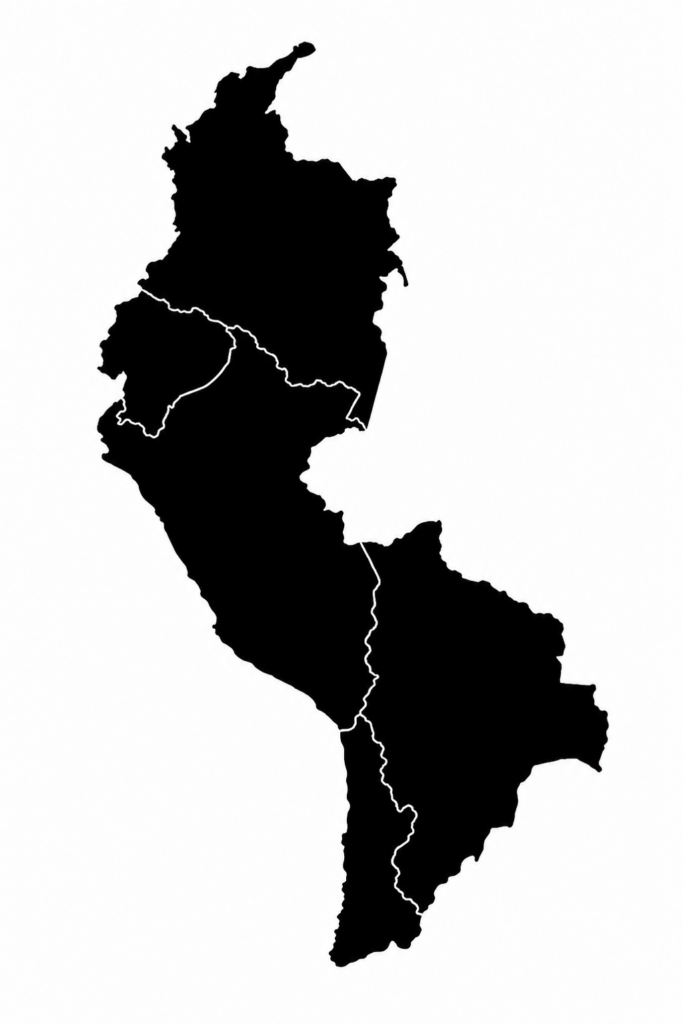
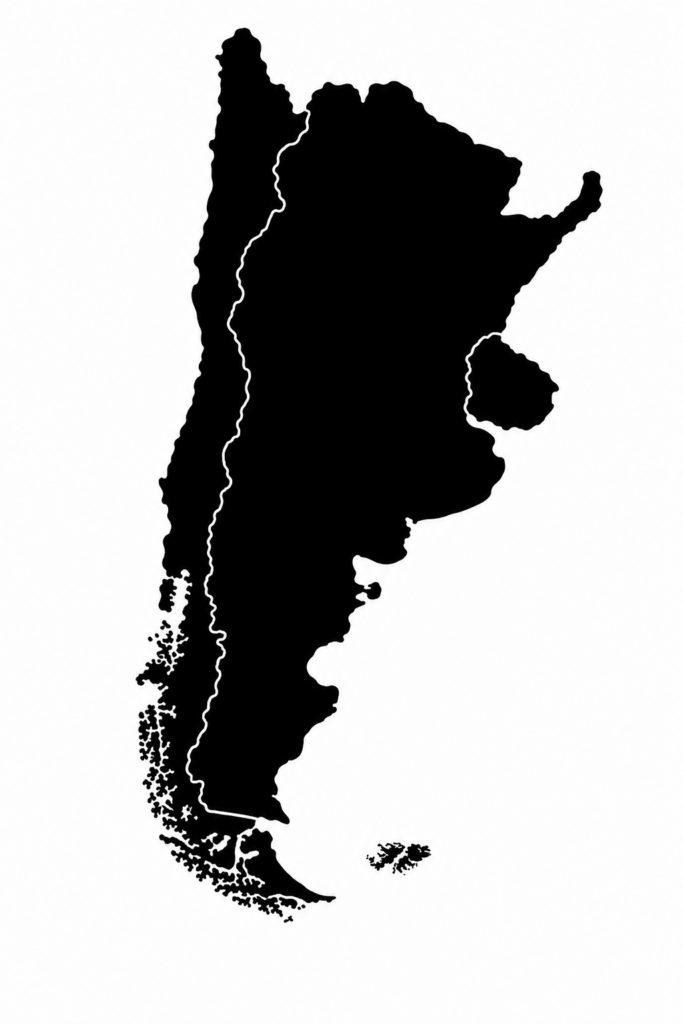
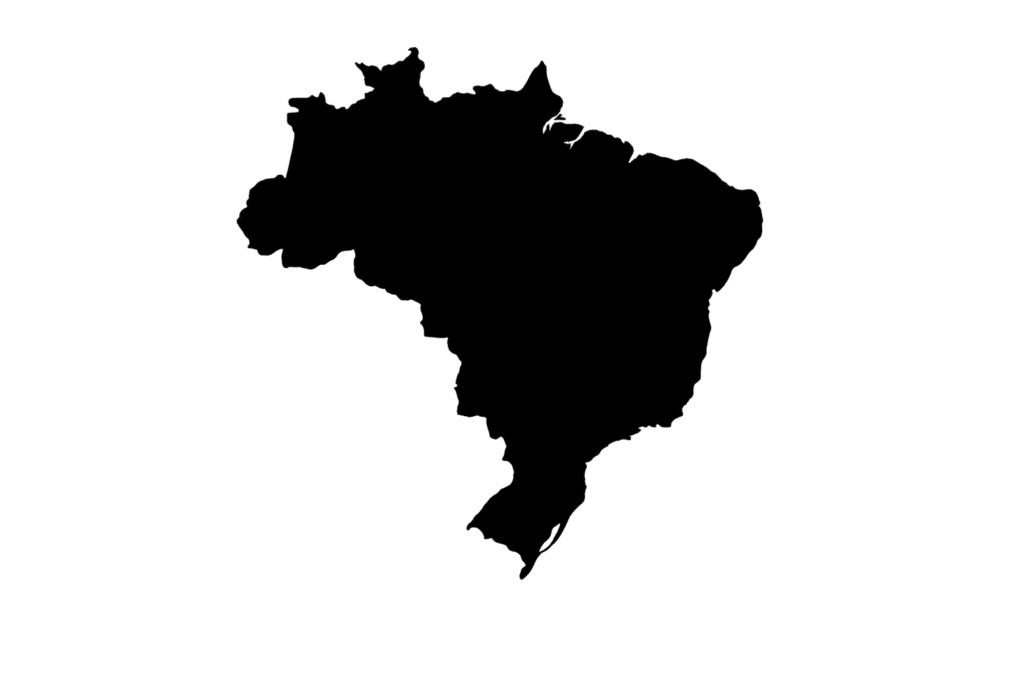
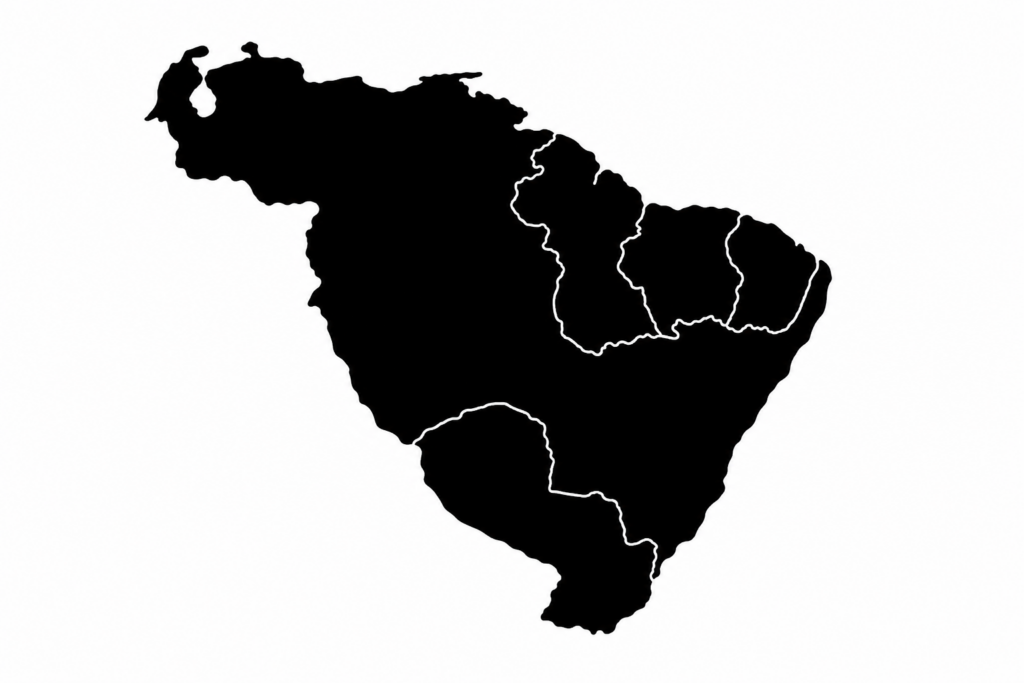
South America is traditionally understood through four broad geographic and cultural regions. Understanding this structure makes planning a multi-country itinerary far more intuitive.
The Andes
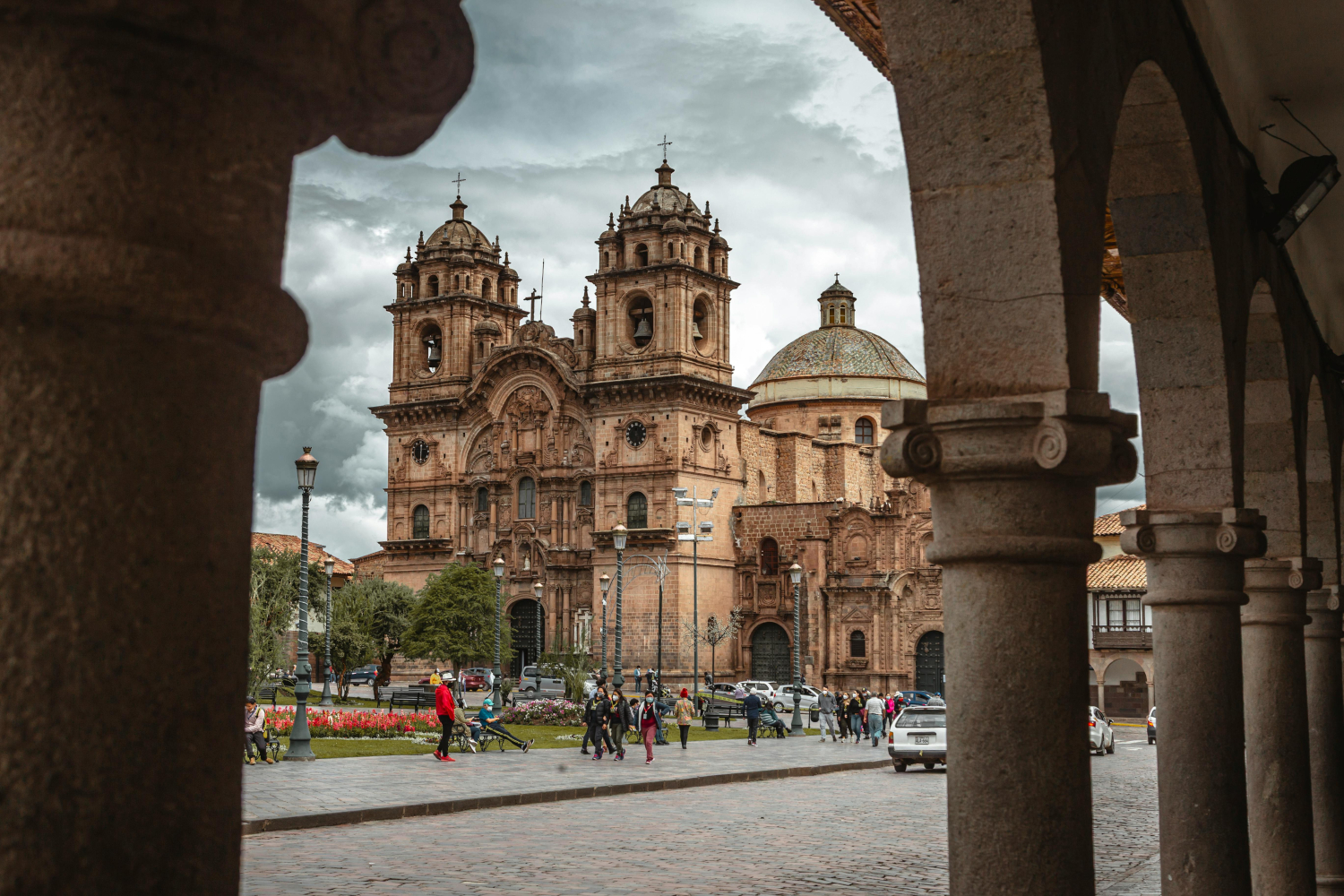
The Andes region runs the entire western length of the continent. This is the cultural and archaeological heart of the continent — the former heartland of the Inca Empire, home to Machu Picchu, the Salar de Uyuni, Quito’s colonial old city, the Colca Canyon, and some of the world’s most dramatic high-altitude landscapes. Andean cities like Cusco, Medellín, and La Paz are among South America’s most rewarding urban destinations. Trekking, ruins, and Indigenous cultural experiences define travel here.
The Southern Cone
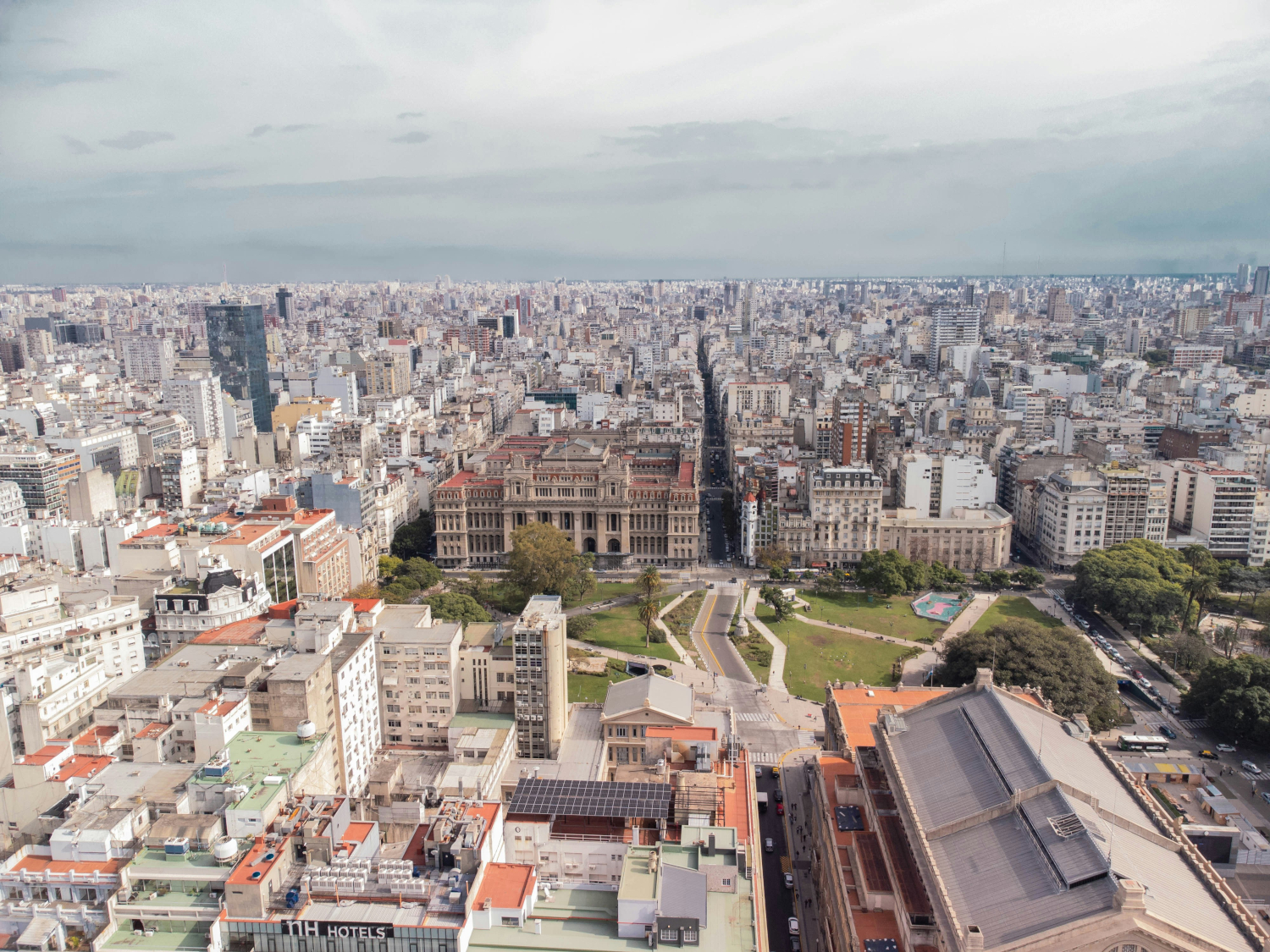
The Southern Cone is South America’s most temperate and European-influenced region. This is the region of Patagonia’s glaciers and granite towers, Buenos Aires’ tango bars and steak houses, Santiago’s wine valleys, and Uruguay’s understated coastal charm. It’s where South America feels most cosmopolitan — and where wildlife encounters, from Patagonian penguins to southern right whales, rival anything in the world.
Brazil
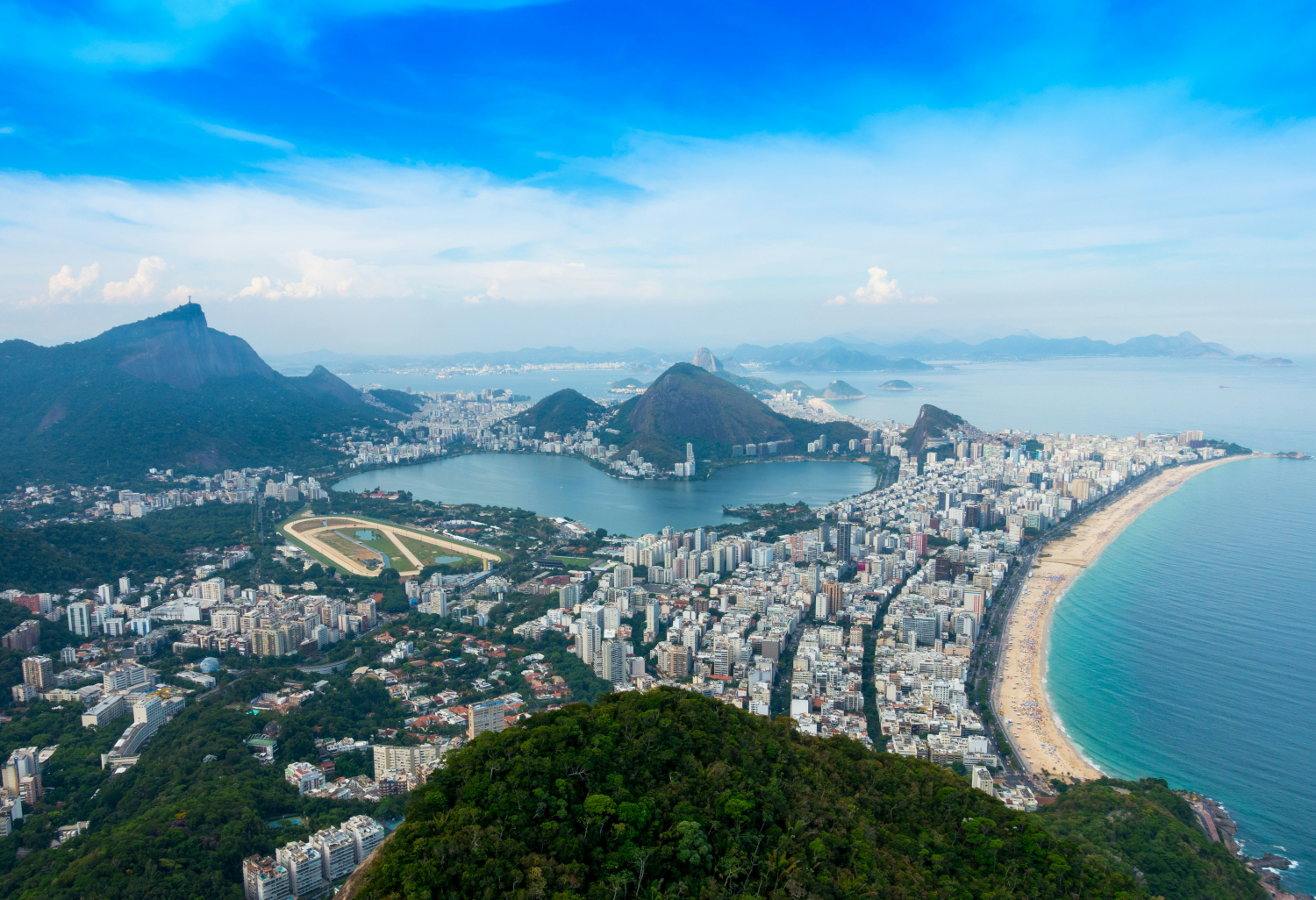
Brazil is a destination unto itself — a country so vast and varied it deserves its own category. The Amazon rainforest, the Pantanal wetlands, the beaches of Rio de Janeiro and the northeast coast, the cultural energy of Salvador and São Paulo, Iguazú Falls, and the colonial towns of Minas Gerais all exist within its borders. Brazil’s food, music, and carnival culture are among the most celebrated in the world, and the country’s sheer scale means most visitors barely scratch the surface on a single trip.
The Guiana Shield & Amazon Basin
The northeast corner of South America is the continent’s most unexplored and most biologically extraordinary region. Ancient tabletop mountains called tepuis rise from the jungle canopy. Angel Falls drops nearly a kilometre from the top of Auyán-tepui. Kaieteur Falls in Guyana is arguably the most powerful waterfall on Earth. The English, Dutch, and French colonial heritage of the Guianas adds a cultural distinctiveness found nowhere else on the continent. This is South America for serious travelers willing to venture beyond the well-worn trail.
South America by the Numbers
Countries
14
Total area
~17.8 million km²
Population
~440 million
Languages
Spanish (predominant), Portuguese (Brazil), English (Guyana, Falkland Islands), Dutch (Suriname), French (French Guiana), 400+ Indigenous languages
Ethnic Groups
2,300+
Currencies
Multiple — USD accepted in Ecuador and widely used across the region as backup
Time Zones
UTC-2 to UTC-5
Most Visited
Brazil, Argentina, Peru, Colombia, Chile
Getting to South America
South America is well-connected from North America and Europe, with several major gateway cities serving as regional hubs for onward travel across the continent.
Key gateway airports:
- São Paulo–Guarulhos International (GRU) — South America’s busiest airport; LATAM and GOL’s primary hub; excellent connections to North America, Europe, and across the continent
- Buenos Aires Ezeiza International (EZE) — Argentina’s main gateway; Aerolíneas Argentinas connects well to the rest of South America and across the Atlantic
- Lima Jorge Chávez International (LIM) — Peru’s hub and one of the best-connected airports for multi-country South America itineraries; LATAM’s regional hub
- Bogotá El Dorado International (BOG) — Colombia’s gateway; Avianca’s hub; strong connections to North America and across South America
- Santiago Arturo Merino Benítez (SCL) — Chile’s well-run gateway; excellent connections to Patagonia and across the Southern Cone
- Rio de Janeiro–Galeão International (GIG) — second Brazilian gateway; particularly useful for travelers focusing on Brazil’s northeast and southeast
Pro tip: Lima is consistently one of the best airports in South America to route through when building a multi-country itinerary — connections to Cusco, La Paz, Quito, and Bogotá are frequent, affordable, and well-timed. Budget carriers like Sky Airline, JetSMART, and Gol have made intra-continental flying increasingly competitive.
Where to Stay
South America offers one of the widest accommodation ranges of any region — from $10-a-night hostels in Cusco and Medellín to world-class estancias, boutique lodges, and luxury properties across the continent.
Budget: South America is one of the world’s best regions for budget travel. Hostels in Peru, Bolivia, Ecuador, and Colombia are excellent quality and very affordable — expect $10–30/night for a private room in a well-located guesthouse. Even Argentina and Brazil have strong hostel scenes in major cities.
Mid-range: Boutique hotels, colonial guesthouses, and well-equipped lodges run $60–180/night across most of the continent. The boutique hotel scene in cities like Cartagena, Buenos Aires, Cusco, and São Paulo is genuinely exceptional — beautifully restored colonial buildings, roof terraces, and strong local character at prices well below comparable properties in Europe or North America.
Luxury: South America has some extraordinary luxury options — Patagonian wilderness lodges in Chile and Argentina, Amazon eco-lodges in Brazil and Ecuador, estancias in the Argentine pampas, and city properties from Four Seasons, Belmond, and Aman across the major urban centres. Expect $300–1,500+/night for the continent’s top-end properties.
Unique stays: Argentine estancias with horse riding and asado · Amazon jungle lodges in Brazil, Peru, and Ecuador · Salt hotel on the Salar de Uyuni in Bolivia · Patagonian glamping in Chile · Colonial mansion guesthouses in Cartagena · Floating lodges on Brazil‘s Negro River
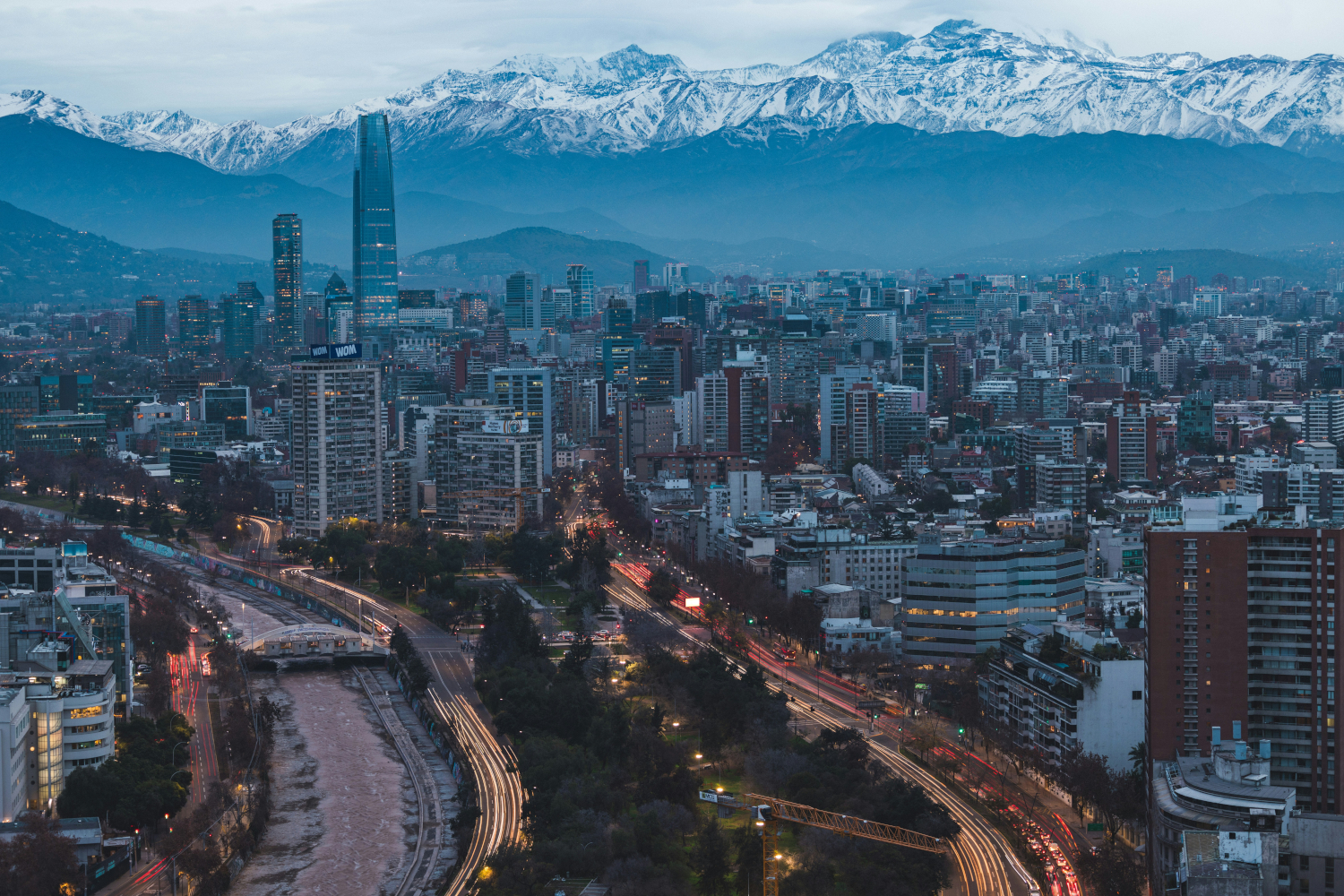
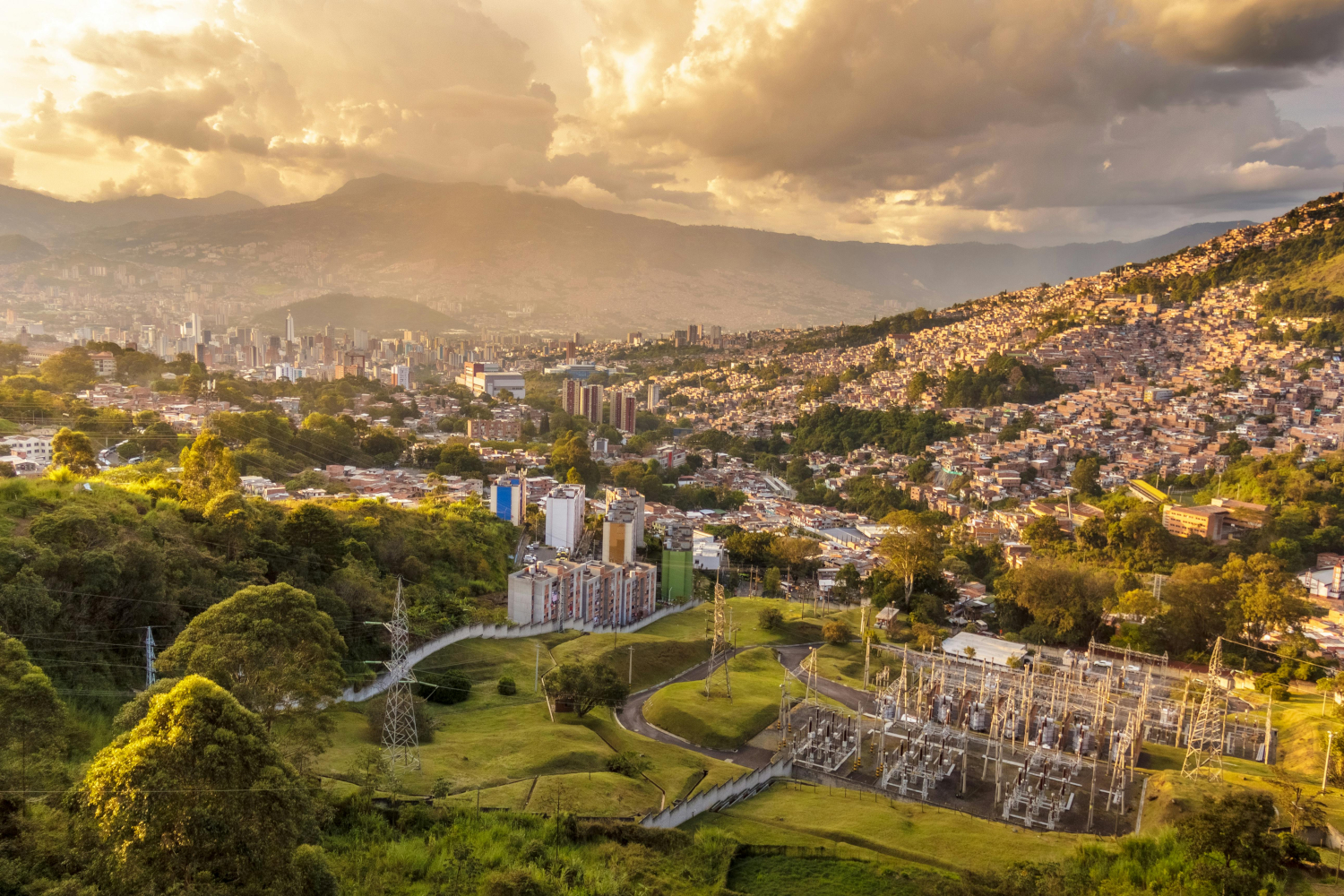
Featured Cities
Getting Around
Getting around South America efficiently requires planning — the continent is enormous, infrastructure varies dramatically by country, and the distances between major destinations are often underestimated.
Flights: Flying is the most practical way to cover South America’s vast distances, and the regional aviation market has become increasingly competitive and affordable. LATAM, Avianca, Aerolíneas Argentinas, and budget carriers Sky Airline, JetSMART, and Gol connect most major cities. Booking domestically within Brazil and Argentina in advance saves significantly.
Buses: South America has one of the world’s most extensive bus networks, and for many routes — particularly in the Andean countries — buses are the most practical and scenic way to travel. Long-distance buses in Argentina, Chile, Brazil, and Colombia offer semi-cama and cama (reclining flat-bed) options that make overnight journeys comfortable. In Bolivia and Peru, buses range from basic to excellent — choose operators carefully.
Trains: Rail options in South America are limited but include some iconic journeys — the Belmond Hiram Bingham to Machu Picchu in Peru, the Train to the Clouds in Argentina, and the Tren Crucero across Ecuador.
Rental car: Excellent for exploring Chile‘s Lake District and Carretera Austral, the Argentine Lake District, and Uruguay‘s coast. Less recommended in major cities due to traffic and parking challenges.
River transport: Essential for exploring the Amazon in Brazil, Peru, and Ecuador, and for reaching Guyana and Suriname‘s interior. Slow boats and speedboats are the backbone of Amazonian travel.
Rideshare & taxis: Uber operates in most major South American cities and is the safest option for city transport. Local taxi apps vary by country — inDrive and Cabify are widely used alternatives.
Things to Do
South America’s range of experiences is as vast as the continent itself. A shortlist of the unmissable:
History & culture: Machu Picchu · Cartagena’s walled colonial city · Buenos Aires’ tango culture · Cusco’s Inca architecture · Bolivia’s Tiwanaku ruins · Quito’s UNESCO old town · The colonial churches of Salvador, Brazil
Wildlife & nature: Galápagos Islands wildlife · Amazon rainforest · Pantanal wetland safari · Patagonian penguin colonies · Whale watching on Peninsula Valdés · Condors over the Colca Canyon · Giant otters in the Guiana Shield
Adventure: Torres del Paine trekking · Inca Trail to Machu Picchu · Salar de Uyuni salt flat crossing · Surfing in Brazil and Ecuador · Sandboarding in Peru · Paragliding in Medellín · Cycling the Death Road in Bolivia
Beaches & coastline: Rio de Janeiro’s Copacabana and Ipanema · Brazil’s northeast coast — Florianópolis, Jericoacoara, Morro de São Paulo · Cartagena’s Caribbean islands · Uruguay‘s Punta del Este · Venezuela‘s Los Roques archipelago
Food & urban experiences: Buenos Aires steak and Malbec · Lima’s world-class ceviche and fine dining · São Paulo’s cosmopolitan restaurant scene · Medellín’s transformation story and café culture · Cartagena’s coastal seafood · Bolivia’s market food in La Paz
Food & Drink
South America’s food is as diverse as its landscapes — and the continent contains some of the world’s most celebrated and fastest-rising culinary destinations.
The Andes is where South America’s food story is most complex and ancient. Peru is the continent’s culinary capital — Lima has more restaurants in the World’s 50 Best list than almost any other city, built on a foundation of ceviche, causa, lomo saltado, and an extraordinary diversity of native ingredients including over 3,000 varieties of potato. Bolivia‘s market food — salteñas, api morado, and roasted meats — is deeply satisfying and dirt cheap. Ecuador‘s ceviche and locro de papa (potato soup) are national institutions.
The Southern Cone is the continent’s great meat and wine region. Argentina‘s asado culture — slow-grilled beef, lamb, and offal over wood fire — is one of the world’s great culinary traditions, and Mendoza’s Malbec is a world-class wine. Chile‘s seafood — congrio, locos, piure — is extraordinary, and the country’s Central Valley produces some of South America’s finest wines. Uruguay‘s chivito sandwich and parrilla tradition rival Argentina’s at a fraction of the tourist markup.
Brazil is a food continent unto itself. Feijoada (black bean and pork stew) is the national dish. Moqueca (coconut fish stew) from Bahia is one of South America’s great dishes. São Paulo is one of the world’s most diverse restaurant cities — Japanese, Lebanese, Italian, and Brazilian cuisines all have deep roots here. Street food across the country — coxinha, pão de queijo, açaí bowls — is some of the most addictive eating in the Americas.
Colombia has emerged as one of the continent’s most exciting food destinations — Medellín’s restaurant scene is booming, Cartagena’s seafood is outstanding, and the country’s coffee culture, centred in the Zona Cafetera, is a destination experience in its own right.
Drinking culture: Argentina‘s Malbec and Chile‘s Carménère are world-class. Brazil‘s caipirinha (made with cachaça, lime, and sugar) is the continent’s signature cocktail. Bolivia‘s singani spirit and Peru‘s pisco sour are both deeply tied to national identity — and both are worth drinking seriously.
Safety in South America
South America has a complex safety reputation — and like most reputations, it’s partly earned and partly exaggerated. The reality is that millions of travelers move through the continent every year without incident, and the most popular destinations are well-established, well-traveled, and manageable with standard precautions.
Generally safe for tourists: Chile, Uruguay, and Argentina (outside of certain Buenos Aires neighbourhoods) are considered among South America’s safest countries, with strong infrastructure and relatively low violent crime rates affecting visitors. Ecuador, Peru, and Bolivia are widely traveled and safe in tourist areas with standard precautions.
Safe with research and precaution: Colombia has transformed dramatically over the past two decades — Medellín and Cartagena are popular, well-touristed destinations, but certain regions and border areas require extra care. Brazil varies significantly by city and neighbourhood — Rio de Janeiro, São Paulo, and Salvador all have areas that require awareness, while resort areas and tourist corridors are generally well-managed. Guyana, Suriname, and Paraguay are less touristed but generally manageable with good preparation.
Require careful research: Venezuela carries significant travel advisories from most Western governments due to ongoing political and economic instability — check current advisories carefully before considering travel.
Common sense across all of South America:
- Use Uber or app-based rideshare rather than hailing unmarked taxis — express kidnapping via fake taxis is a documented risk in several major cities
- Keep valuables out of sight and use hotel safes for passports and electronics
- Be aware of altitude sickness in Andean destinations — Cusco, La Paz, and the Salar de Uyuni all sit above 3,500 metres
- Don’t accept food or drinks from strangers — scopolamine (a disabling drug) has been used against tourists in Colombia and Brazil
- Purchase comprehensive travel insurance before departure — medical facilities outside major cities can be very limited
- Always check current government travel advisories for each country before booking
Currency
South America uses a wide range of currencies across its 14 countries — from the Argentine Peso (ARS) and Brazilian Real (BRL) to the Peruvian Sol (PEN) and Colombian Peso (COP). Ecuador is a notable exception — it uses the US Dollar as its official currency, making it one of the easiest countries in the region for North American travelers to manage financially.
Cash vs card: The balance between cash and card varies significantly by country and context. In major cities across Argentina, Brazil, Chile, and Colombia, cards are widely accepted in hotels, restaurants, and tourist businesses. In Bolivia, Peru, and Paraguay, cash is more important — particularly for markets, transport, and smaller towns. Always carry local currency when heading off the beaten path.
USD: US Dollars are widely recognized across South America and are an excellent backup currency to carry, particularly in Peru, Bolivia, and the Guiana Shield countries. Ecuador uses USD exclusively.
Argentina’s exchange rate: Argentina has historically had a complex currency situation — official and unofficial exchange rates have differed significantly. Always research the current situation before visiting and use reputable exchange methods.
ATMs & exchange: ATMs are available in all major cities and tourist areas. Fees vary significantly by country and bank — Wise and Charles Schwab cards are popular choices among frequent travelers for minimizing international withdrawal fees. In remote areas, particularly in the Amazon and Guiana Shield, ATM access can be nonexistent — plan accordingly.
Tipping culture: Tipping is expected in tourist-facing hospitality across most of South America. Restaurant tips of 10% are standard where service charge isn’t included. Guides, drivers, and hotel staff appreciate tips, which form a meaningful part of their income in tourism-dependent areas.
Costs: South America offers outstanding value across most of the continent. Bolivia and Ecuador are among the best-value countries in the world for travelers — comfortable mid-range travel is possible at $50–80/day. Peru and Colombia run slightly higher at $60–100/day. Chile and Brazil are more expensive, with mid-range travel running $100–180/day. Argentina fluctuates with its economy — but has historically offered excellent value for international visitors.