
Travel Guide
Middle East
Overview
The Middle East is one of the world’s most fascinating and misunderstood travel regions — where ancient civilizations, sacred landmarks, futuristic skylines, vast deserts, dramatic coastlines, and legendary hospitality all exist on the same map.
Stretching from the eastern Mediterranean through the Arabian Peninsula and into Persia, this is a region that has shaped human history more profoundly than almost any other. The world’s three major Abrahamic religions were born here. The world’s oldest cities were built here. And today, some of the world’s most ambitious modern destinations — Dubai, Doha, Riyadh — are being built here at a pace unlike anywhere else on Earth.
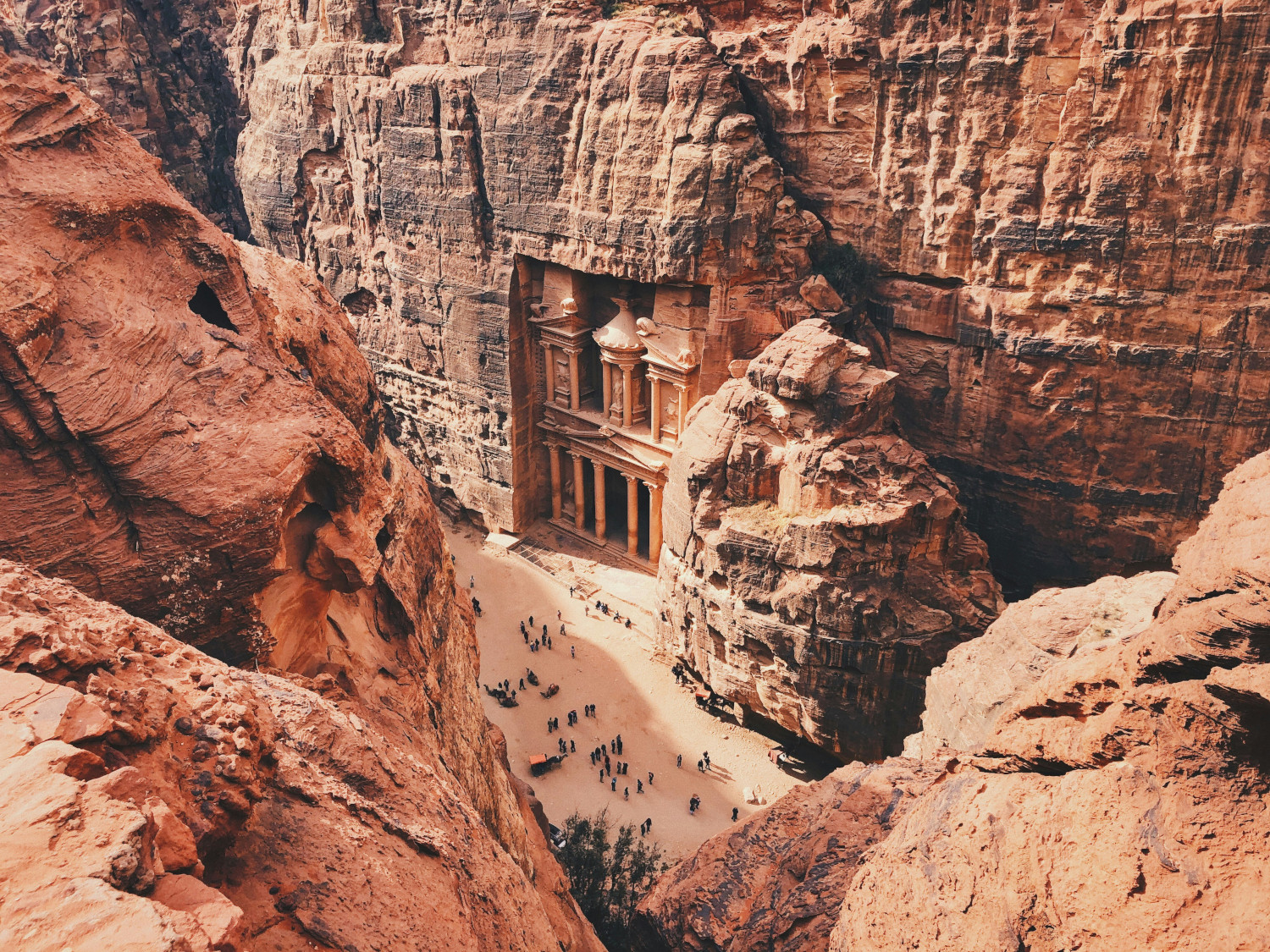
One day you can be wandering the ancient rock city of Petra in Jordan, floating in the Dead Sea in Israel, or exploring the bazaars and mosques of Iran. The next, you might be standing beneath the Burj Khalifa in the UAE, hiking through the canyon landscapes of Oman, or sleeping under stars in a Bedouin camp in Saudi Arabia.
The best way to experience the Middle East depends entirely on where in the Middle East you’re going.
Why Travel to the Middle East?
The Middle East rewards every type of traveler — though it’s still wildly underestimated by most of the Western world.
History and culture travelers have more to work with here than almost anywhere on Earth. Egypt‘s pyramids, Jordan‘s Petra, Israel‘s Jerusalem, Iran‘s Persepolis — these aren’t just famous sites, they’re the physical remains of civilizations that shaped the entire course of human history. Luxury travelers have Dubai and Doha, two cities that have built some of the world’s most jaw-dropping hotels, malls, and experiences in the span of a single generation. Adventure seekers have Oman‘s mountain trails and wadis, Saudi Arabia‘s AlUla desert, and the diving in the Red Sea and Gulf of Aqaba.
The food alone is worth the trip. Middle Eastern cuisine — mezze, grilled meats, flatbreads, spiced rice dishes, fresh herb salads, baklava — is one of the world’s great culinary traditions, and eating your way through the region is one of its great underrated pleasures.
Hospitality in the Middle East is also genuinely unlike anywhere else. Being welcomed into a stranger’s home for tea, invited to share a meal, or guided through a souk by someone who wants nothing in return but conversation — these experiences happen here regularly and are something travelers consistently describe as life-changing.
When to Go to the Middle East
The Middle East doesn’t have one travel season—it shifts dramatically by region, altitude, and desert climate. The Arabian Gulf is at its best from November to March, when places like Dubai, Doha, and Muscat enjoy warm days and cooler evenings. Spring and autumn are ideal for the Levant, with countries like Jordan, Israel, and Lebanon offering perfect conditions for ancient sites, hiking, and coastal escapes, while summer opens up mountain regions in Turkey and Iran. The best time to visit the Middle East depends entirely on where in the region you’re going.
Regions of the Middle East
The Middle East is far more geographically and culturally diverse than most travelers expect. Understanding its main sub-regions makes planning a trip — and choosing the right destinations — infinitely easier.
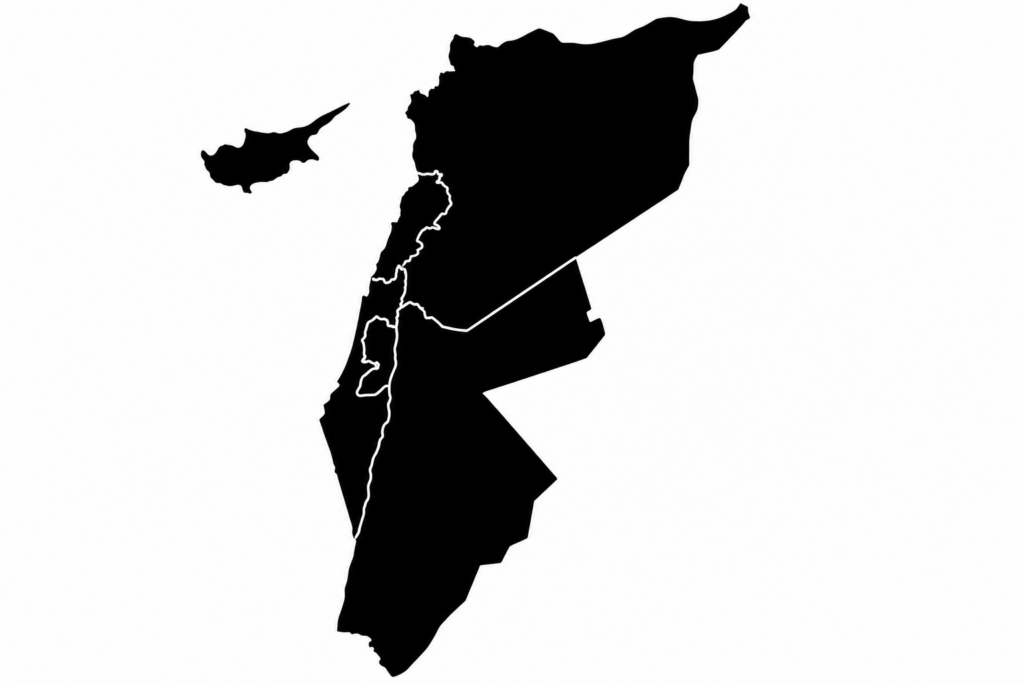
The Levant
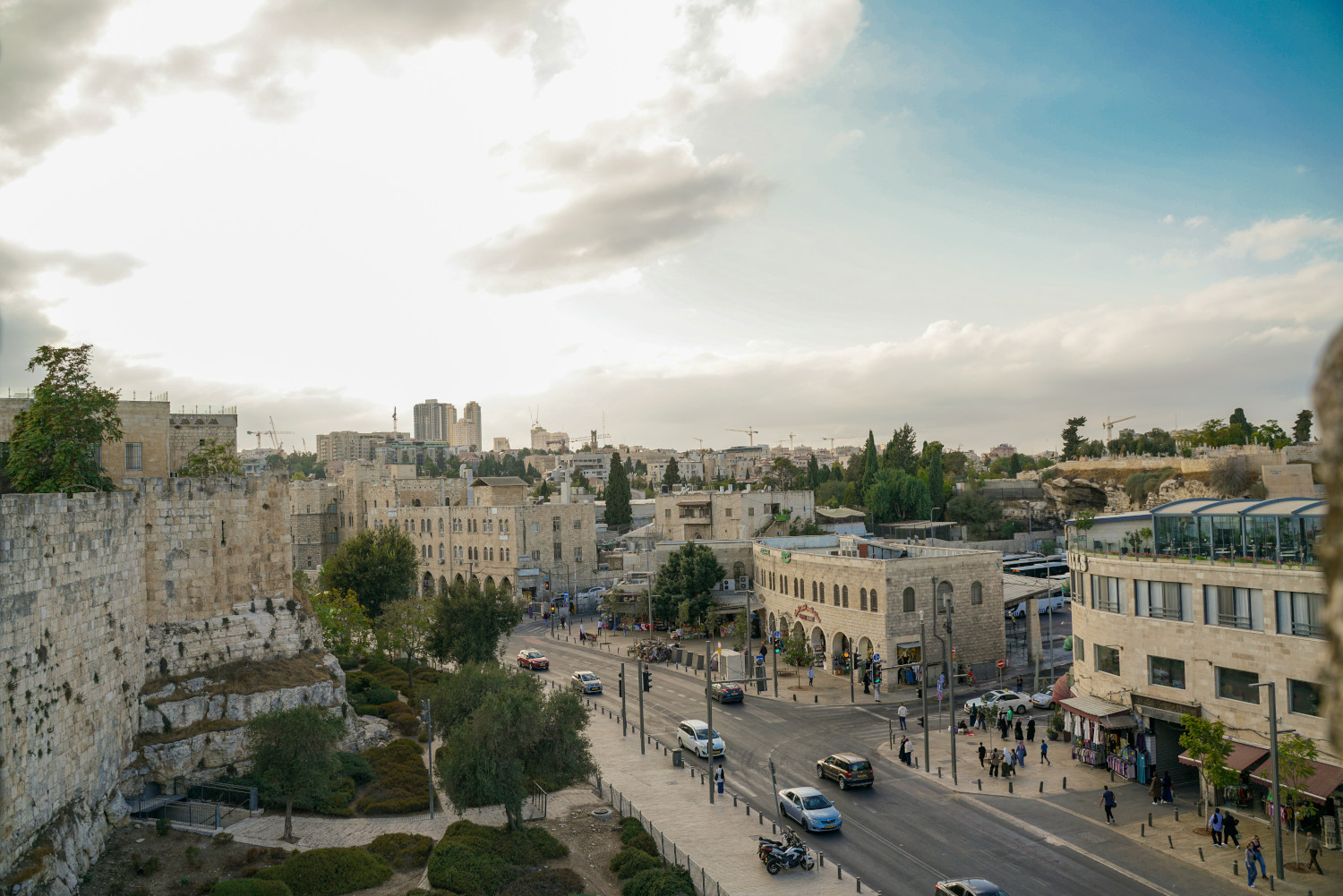
The Levant is the historical and cultural heart of the Middle East — the eastern Mediterranean coastline and its hinterland. This is where you’ll find Jerusalem, Petra, Beirut’s legendary food scene, and some of the most layered historical landscapes on the planet. It’s a region of extraordinary depth — every city here has been fought over, rebuilt, and reimagined dozens of times across thousands of years.
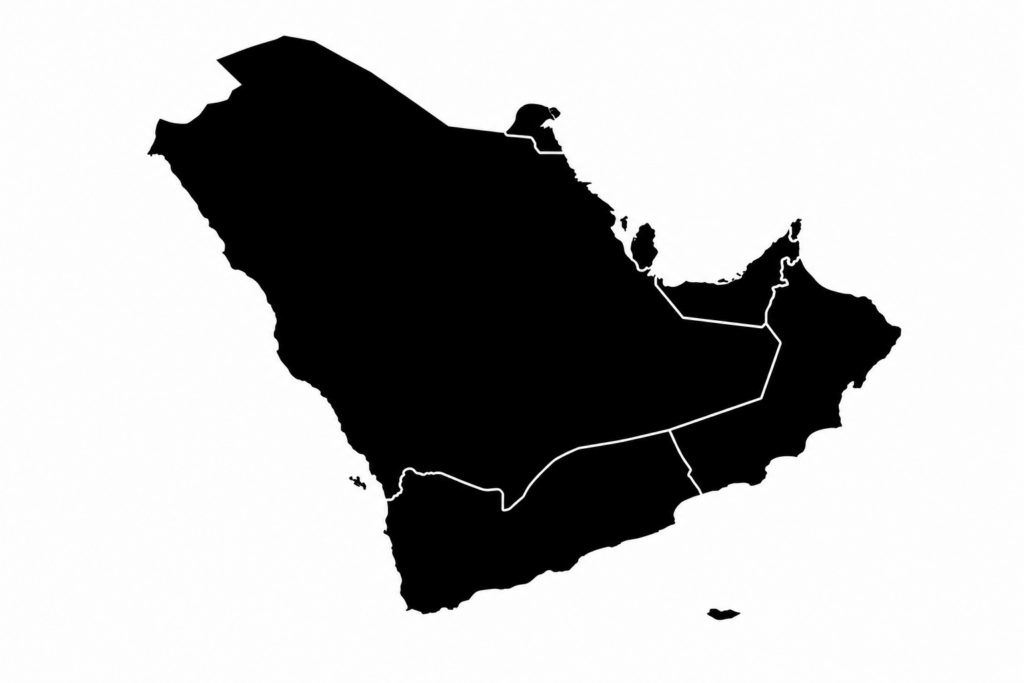
The Arabian Peninsula
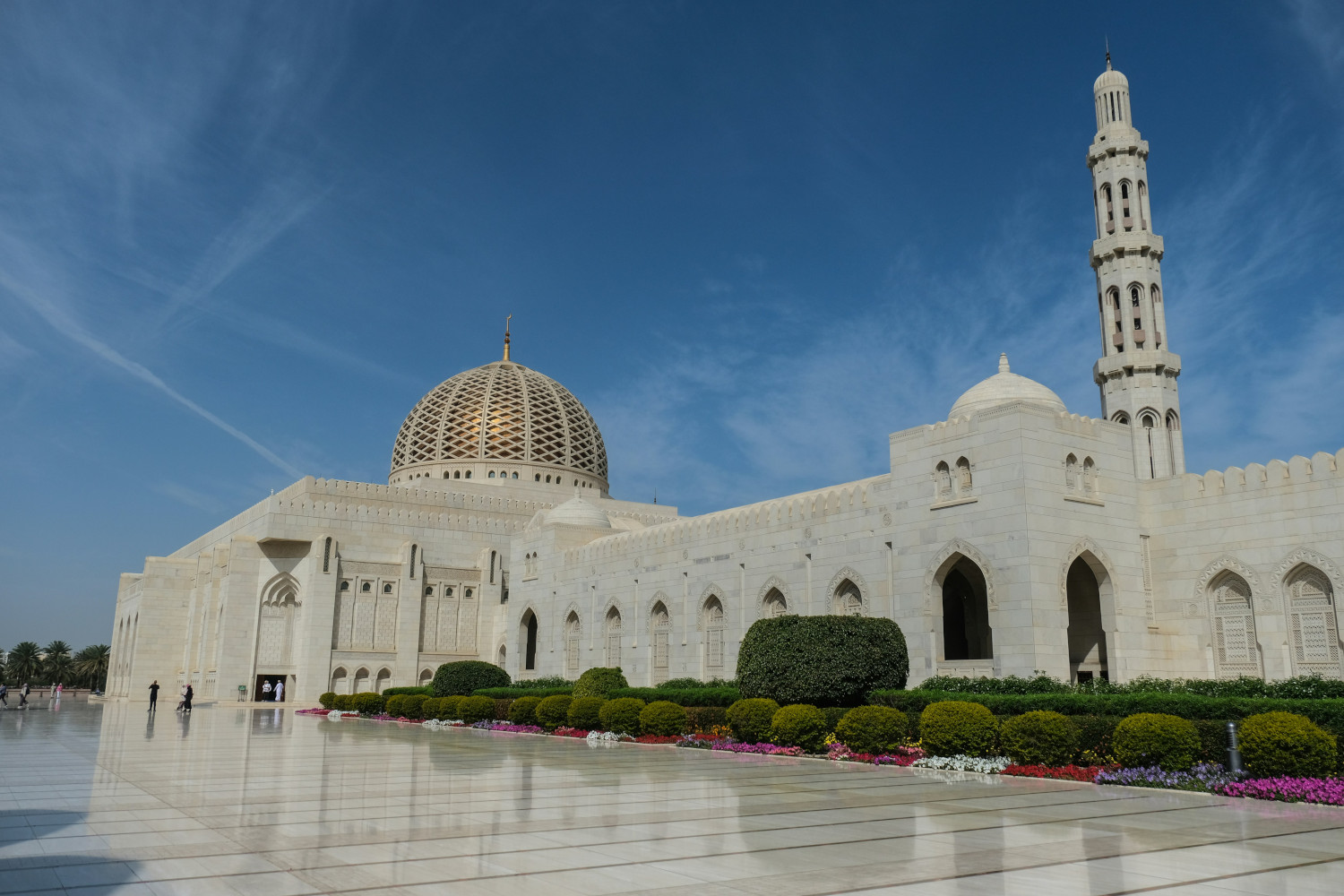
The Arabian Peninsula is the geographic and spiritual core of the Arab world — home to Islam’s holiest cities, the world’s most audacious modern developments, and vast stretches of desert wilderness that feel utterly unchanged by time. Saudi Arabia is now open to tourism and emerging as one of the most exciting new destinations on Earth. The UAE delivers world-class luxury and spectacle. Oman is the region’s most authentic and adventurous destination, with dramatic landscapes and a warmth that consistently wins over travelers.
Saudi Arabia, United Arab Emirates, Oman, Qatar, Bahrain, Kuwait, Yemen
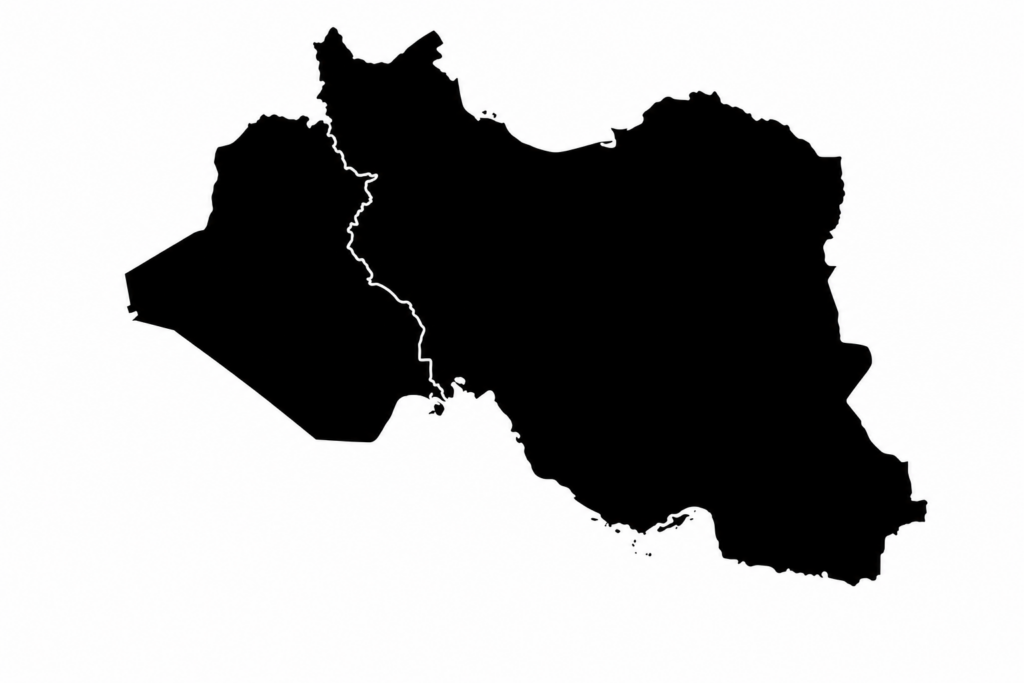
Persia & Mesopotamia
Persia and Mesopotamia represent the ancient heartlands of two of the world’s oldest and most significant civilizations — and two of the most misunderstood destinations in the modern Middle East. Iran’s cities — Isfahan, Shiraz, Tehran — are staggeringly beautiful, and the country’s hospitality toward foreign visitors is genuinely extraordinary. Iraq is beginning to cautiously open to tourism, with Mesopotamian ruins and Shia pilgrimage cities drawing the first wave of adventurous travelers.
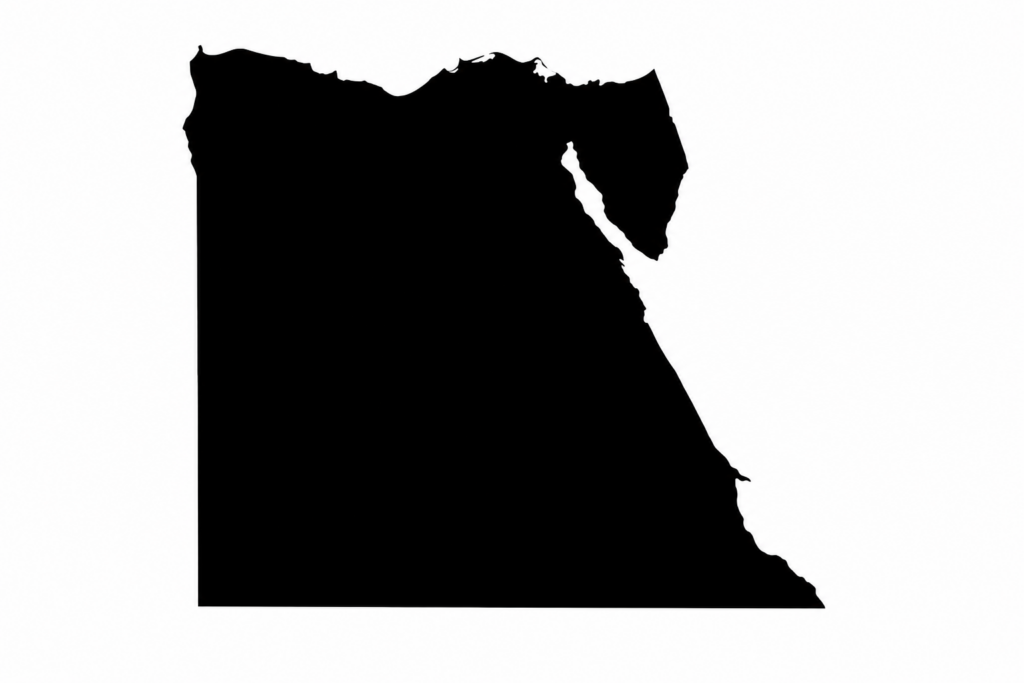
North Africa Gateway
Egypt sits at the crossroads of Africa and the Middle East and is often traveled as part of a broader regional trip. Home to the pyramids of Giza, the temples of Luxor, the monasteries of Sinai, and the diving reefs of the Red Sea coast, Egypt is one of the world’s great travel destinations and a natural companion to Jordan, Israel, and the broader Levant.
Middle East by the Numbers
Countries
17
Total area
~7.2 million km²
Population
~400 million
Languages
Arabic (predominant), Persian, Turkish, Hebrew, Kurdish, and others
RELIGION
Predominantly Islam; significant Christian, Jewish, and others
Currencies
16+
Time Zones
UTC+2 to UTC+4
Most Visited
UAE, Egypt, Jordan, Israel, Saudi Arabia
Getting to the Middle East
The Middle East is one of the world’s best-connected regions for international air travel, with several of the world’s busiest and most award-winning airports serving as global transit hubs. Getting here from North America, Europe, Australia, or Asia is rarely complicated — and often involves a convenient layover in Dubai, Doha, or Abu Dhabi.
Key gateway airports:
- Dubai International (DXB) — the world’s busiest international airport; Emirates’ home hub; connects to virtually every global city with outstanding onward connections across the region
- Hamad International, Doha (DOH) — Qatar Airways’ flagship hub; consistently ranked among the world’s best airports; excellent connections into the Gulf, Levant, and beyond
- Ben Gurion International, Tel Aviv (TLV) — main gateway to Israel and the Levant; well-connected to Europe and North America
- King Abdulaziz International, Jeddah (JED) — Saudi Arabia’s main international gateway; rapidly expanding as tourism grows
- Queen Alia International, Amman (AMM) — gateway to Jordan, Petra, and the Wadi Rum desert
- Muscat International (MCT) — Oman‘s primary hub; Oman Air connects well to Europe and Asia
- Beirut-Rafic Hariri International (BEY) — gateway to Lebanon; Middle East Airlines connects across the region
Pro tip: Dubai and Doha are among the world’s best stopovers — both Emirates and Qatar Airways offer free or subsidized stopover hotel programs that let you spend a night or two in the city before continuing to your destination. If you’re routing through anyway, it’s worth building in an extra day.
Where to Stay
Accommodation in the Middle East spans one of the widest ranges of any region on Earth — from budget guesthouses in Jordan’s Petra town and traditional caravanserais in Iran to some of the world’s most extravagant luxury hotels in Dubai and Doha.
Budget: Budget accommodation is most accessible in Jordan, Egypt, Iran, and Lebanon, where guesthouses, hostels, and locally run hotels offer good value at $20–60/night. The Gulf states are generally more expensive across all categories.
Mid-range: Business hotels and boutique properties in cities like Amman, Beirut, Muscat, and Tel Aviv run $80–200/night and are generally excellent quality, with strong hospitality standards across the region.
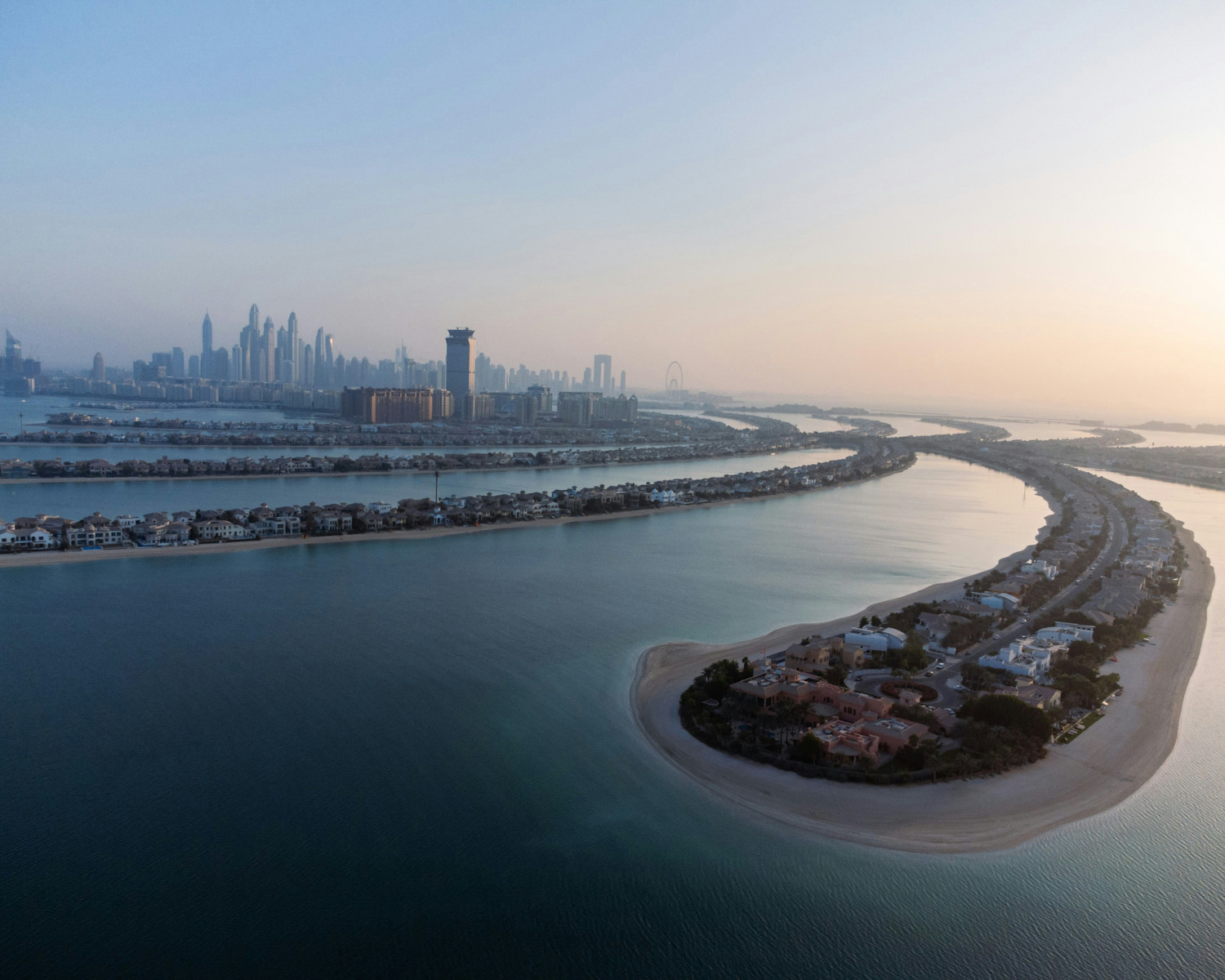
Luxury: The Middle East competes with anywhere in the world at the luxury end. Dubai alone has more 5-star hotels per capita than almost any city on Earth — properties like the Burj Al Arab, Atlantis, and the Jumeirah group set global benchmarks. Doha, Abu Dhabi, and Muscat have similarly spectacular options. Expect $300–2,000+/night for premium stays, with brands like Four Seasons, Aman, Rosewood, and Six Senses all represented across the region.
Unique stays: Bedouin desert camps in Jordan‘s Wadi Rum and Saudi Arabia‘s AlUla · Traditional caravanserais in Iran · Eco-lodges in Oman‘s Hajar Mountains · Kibbutz guesthouses in Israel · Floating hotels along the Nile in Egypt
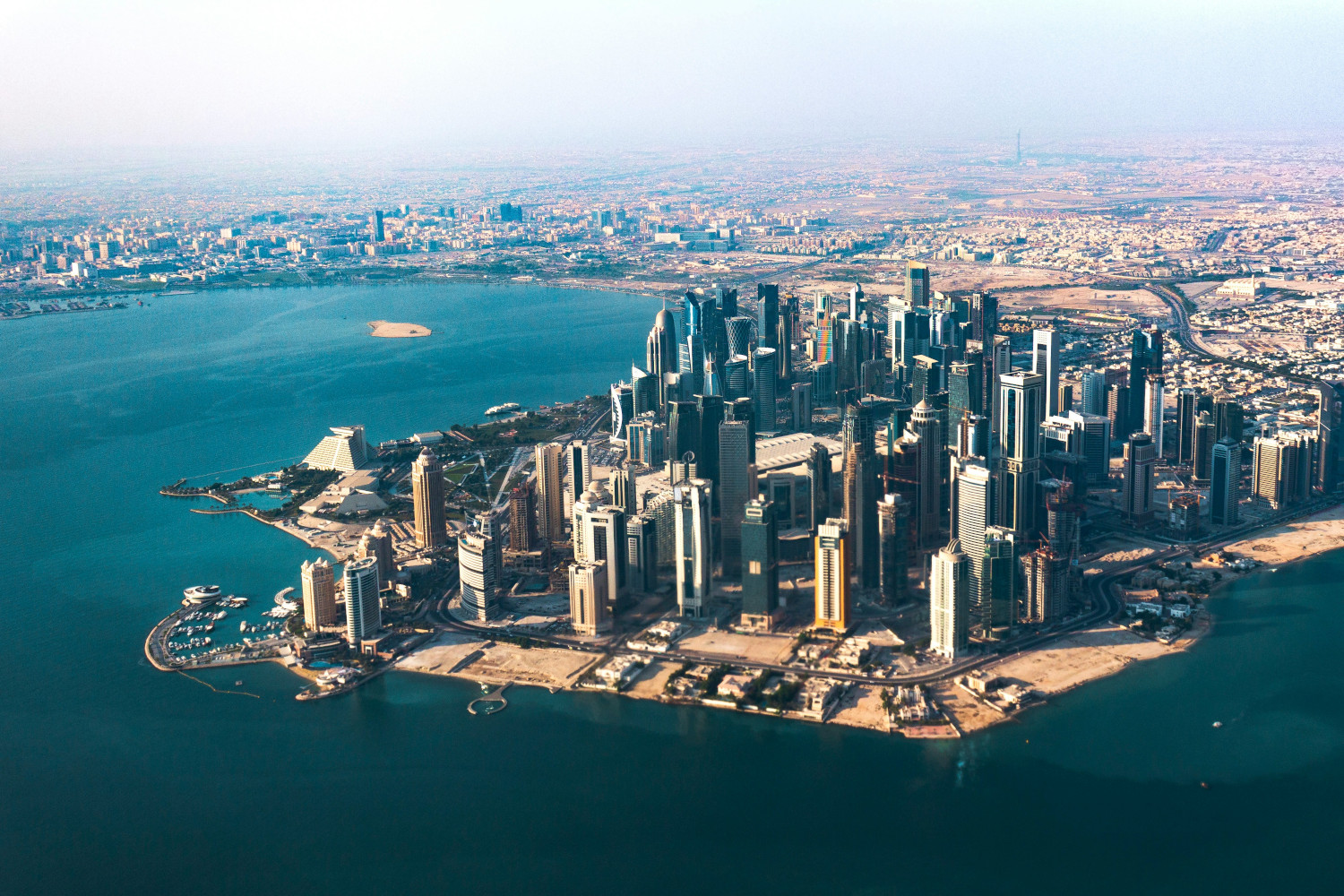
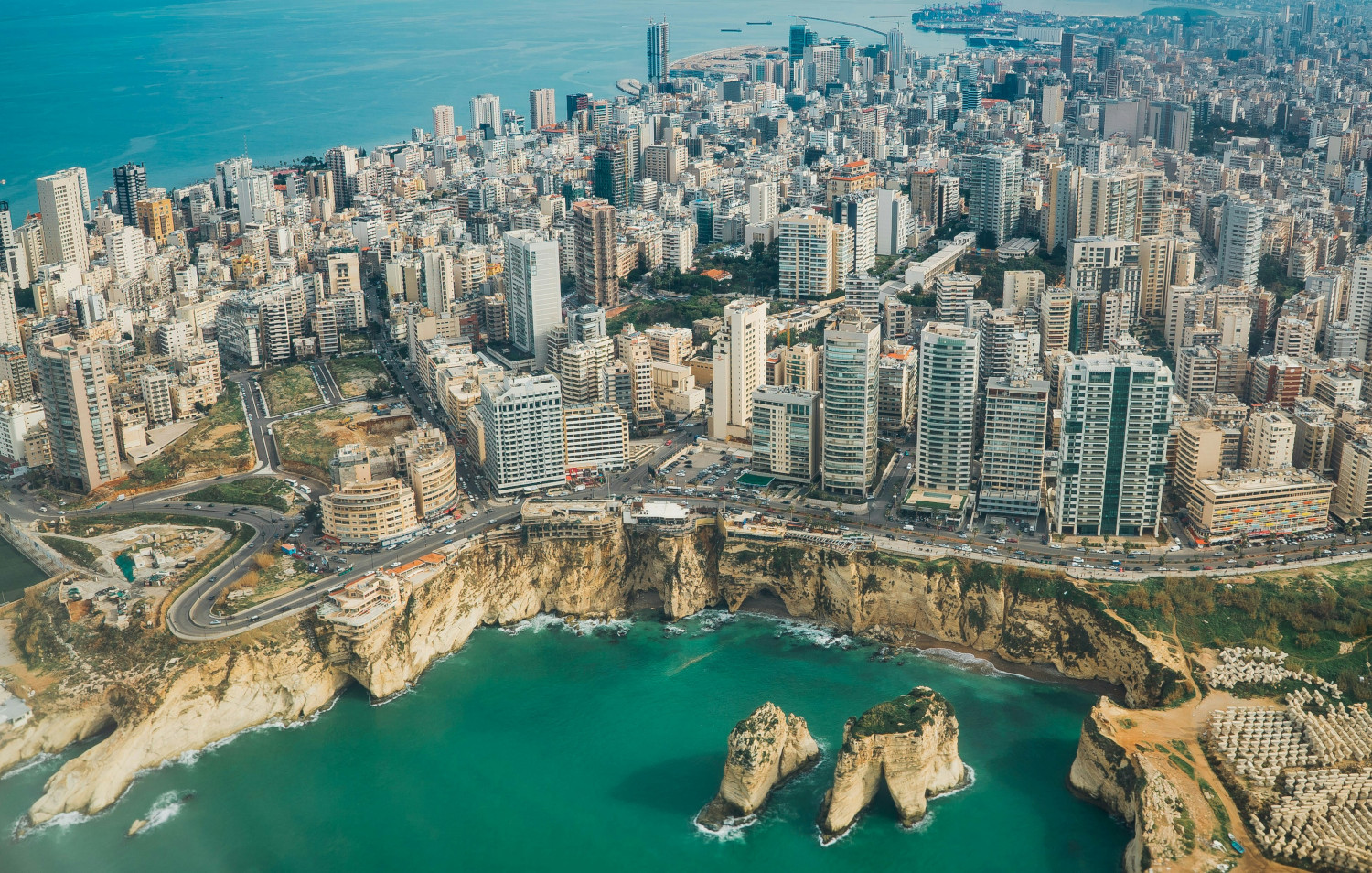
Featured Cities
Getting Around
Getting around the Middle East requires more planning than other regions — there’s no single transport network, visa rules vary significantly between countries, and some border crossings are restricted or complex. That said, within individual countries, transport is generally efficient and accessible.
Flights: Flying is the most practical way to move between countries. The region is well-served by regional carriers — Emirates, Qatar Airways, Oman Air, Royal Jordanian, and flydubai cover most intra-regional routes. Budget airlines like Air Arabia and flydubai have made short hops across the Gulf increasingly affordable.
Rental car: Renting a car is one of the best ways to explore Oman, Jordan, Israel, and Cyprus, where road infrastructure is excellent and self-driving unlocks remote landscapes that tours don’t reach. In the Gulf cities, roads are well-developed but traffic in Dubai and Riyadh can be significant.
Taxis & rideshare: Uber, Careem (the regional equivalent), and local taxi services are widely available across the Gulf and Levant. Always confirm pricing before departing in countries where meters aren’t standard.
Trains: Rail options are limited in the Middle East. Israel has a functional domestic rail network. Egypt has trains connecting Cairo to Alexandria and the Nile Valley. Saudi Arabia has a high-speed rail line connecting Mecca, Medina, and Jeddah. Beyond these, most overland movement is by road.
Buses & minibuses: Intercity buses and shared minibuses are the backbone of budget travel in Jordan, Lebanon, Egypt, and Iran. Quality varies but is generally reliable on main routes.
Border crossings: Some border crossings in the region carry political complications — notably, an Israel stamp in your passport can restrict entry to certain other countries in the region. Research current border rules carefully before planning multi-country itineraries.
Things to Do
The Middle East’s range of experiences is as vast as its history. A shortlist of the unmissable:
History & culture: Petra’s rose-red rock city · Jerusalem’s Old City · The pyramids of Giza · Persepolis ruins · Jerash Roman ruins · The temples of Luxor and Karnak · AlUla’s Hegra
Desert & adventure: Wadi Rum desert camping · Wahiba Sands dune driving · Rub’ al Khali (Empty Quarter) expeditions · Wadi trekking and canyon hiking · Hot air ballooning over Luxor
Water & beaches: Red Sea diving and snorkeling · Floating in the Dead Sea · Musandam fjord cruising · Bahrain’s offshore sandbanks · Cyprus beaches
Modern & urban: Burj Khalifa and Dubai skyline · Museum of the Future · National Museum of Qatar, Doha · Tel Aviv’s Bauhaus architecture and beaches · Beirut’s bar and restaurant scene
Spiritual & pilgrimage: The Church of the Holy Sepulchre · Al-Masjid an-Nabawi, Medina · Imam Ali Mosque, Najaf · Mount Sinai · The mosques of Isfahan
Food & Drink
Middle Eastern cuisine is one of the world’s great culinary traditions — rooted in ancient agricultural practices, spice trade routes, and a culture of hospitality so deep that feeding guests is practically a moral obligation.
The Levant produces some of the most celebrated food in the region. Lebanese cuisine — mezze, hummus, fattoush, kibbeh, fresh flatbreads, and grilled meats — is widely considered the region’s finest and has become a global export. Israel‘s food scene blends Jewish culinary traditions from around the world into one of the most exciting, creative dining cultures anywhere. Jordan‘s mansaf (lamb slow-cooked in fermented yogurt sauce) is a national dish worth traveling for.
The Gulf states have transformed into serious dining destinations over the last decade. Dubai and Doha host Michelin-starred restaurants, world-famous chefs, and every global cuisine imaginable alongside traditional Emirati and Qatari dishes. Oman‘s food culture is more understated but deeply satisfying — shuwa (slow-roasted spiced meat) cooked underground is one of the great dishes of the Arab world.
Iran is one of the most underrated food destinations on Earth. Persian cuisine is complex, herbaceous, and refined — dishes like ghormeh sabzi (herb stew), fesenjan (pomegranate and walnut chicken), and chelow kebab reveal a culinary tradition that influenced cooking from India to Turkey. Iranian hospitality means you’re very likely to be invited to eat in someone’s home — accept without hesitation.
Egypt has its own distinct food culture built around fava beans, lentils, flatbreads, and spiced street food. Ful medames, koshari, and ta’meya (Egyptian falafel) are some of the most satisfying street food experiences in the entire region.
Alcohol: Much of the Middle East is predominantly Muslim and alcohol is restricted or unavailable in countries like Saudi Arabia, Kuwait, and Iran. UAE, Bahrain, Qatar, Lebanon, Israel, Jordan, Egypt, and Cyprus all have accessible alcohol in hotels, restaurants, and licensed venues. Research individual country rules before traveling.
Safety in the Middle East
The Middle East is one of the most misrepresented regions in the world when it comes to travel safety. The vast majority of popular tourist destinations are safe, welcoming, and well-organized for visitors — and travelers who go consistently return surprised by how different the experience is from what they expected.
Generally very safe: UAE, Qatar, Oman, Bahrain, Jordan, Cyprus, and Israel (within established tourist areas) are among the safest travel destinations in the world, with low crime rates and excellent infrastructure for visitors.
Safe with research and precaution: Egypt (tourist areas are generally safe; petty scams are common), Lebanon (politically volatile but Beirut remains visited), Saudi Arabia (opening rapidly to tourists; specific cultural rules apply), Iran (generally safe for tourists; entry and visa restrictions apply for some nationalities)
Require careful research and current advisories: Iraq, Syria, Yemen — active conflict or significant instability; most governments advise against travel or have specific restricted zones
Common sense across all of the Middle East:
- Check your government’s current travel advisory for each country before booking
- Dress conservatively, particularly in religious sites and in more traditional countries — research specific dress codes before you go
- Understand and respect Ramadan customs if your trip overlaps
- Be aware of photography restrictions around government buildings, military sites, and in some cases people (always ask before photographing individuals)
- Note that an Israel stamp or entry record can complicate entry to some other regional countries — check current rules if planning a multi-country trip
- Purchase comprehensive travel insurance before departure
Currency
The Middle East uses a wide range of currencies across its countries — from the Emirati Dirham (AED) and Qatari Riyal (QAR) to the Israeli Shekel (ILS), Jordanian Dinar (JOD), and Iranian Rial (IRR). Planning your money across a multi-country Middle East trip requires some preparation.
Cash vs card: The Gulf states — UAE, Qatar, Bahrain, Kuwait, Oman — widely accept credit cards in hotels, restaurants, malls, and tourist businesses. In Jordan, Egypt, Lebanon, and Iran, cash is much more important, particularly for markets, street food, local transport, and smaller businesses.
USD: US Dollars are widely recognized and accepted — particularly in Jordan, Egypt, and tourist-facing businesses across the Gulf — making USD a useful backup currency to carry in the region.
ATMs & exchange: ATMs are available in all major cities and tourist areas across the accessible parts of the region. Note that international cards do not work in Iran due to sanctions — cash in EUR or USD must be brought in and exchanged locally.
Tipping culture: Tipping is expected and appreciated across the Middle East in tourist-facing hospitality. Guides, drivers, hotel staff, and restaurant servers all typically expect a tip, and in some countries it forms a significant part of income. 10–15% at restaurants is standard where service charge isn’t included.
Costs: The Middle East spans a massive range. The Gulf states — particularly UAE and Qatar — are expensive by global standards, with prices comparable to Western Europe. Jordan, Egypt, and Iran offer excellent value, with comfortable mid-range travel accessible at $60–120/day. Israel and Cyprus sit at Western European price levels.