
Travel Guide
Europe
Overview
Europe is one of the world’s most iconic and endlessly rewarding travel regions—yet with dozens of countries, hundreds of languages and dialects, centuries of layered history, and landscapes that shift dramatically from Arctic wilderness to Mediterranean coastlines, it can also feel overwhelming to plan in the best possible way.
It’s a region of medieval old towns and futuristic capitals, snow-capped alpine peaks and sun-drenched islands, Michelin-starred dining and centuries-old family taverns, world-famous art museums and hidden village festivals. One day you could be sipping espresso in a Roman piazza, hiking through the Swiss Alps the next, sailing between Greek islands after that, and finishing your trip with Christmas markets in Central Europe. Few places on Earth pack this much history, culture, cuisine, architecture, and natural diversity into such a compact and well-connected region.
Whether you’re dreaming of watching sunrise over the Eiffel Tower, wandering the canals of Venice, road-tripping through the fjords of Norway, island-hopping across Greece, skiing in the Swiss Alps, or getting lost in the cobbled streets of Prague, Europe is the kind of destination travelers visit once—and spend a lifetime returning to.
Why Travel to Europe?
Europe rewards every type of traveler. Budget backpackers can travel affordably through Eastern Europe, the Balkans, and parts of Portugal or Spain while staying in historic city centers and traveling easily by rail. Luxury travelers can check into cliffside suites along Italy’s Amalfi Coast, private alpine lodges in Switzerland, or palace hotels in cities like Paris and Vienna. Food lovers can work their way through centuries of culinary tradition—from fresh pasta in Italy and tapas in Spain to French patisseries, Balkan grill houses, and Nordic tasting menus.
History lovers can explore Roman ruins, medieval castles, Viking heritage sites, Renaissance masterpieces, and battlefields that shaped the modern world. Adventure travelers can ski the Alps, surf Portugal’s Atlantic coast, hike Icelandic volcanoes, kayak Norwegian fjords, cycle through Dutch countryside, or trek remote mountain villages in the Balkans—all within a single region.
Europe is also one of the easiest places on Earth to travel independently. High-speed rail networks, budget airlines, efficient public transportation, walkable cities, and relatively short distances between countries make multi-country trips remarkably accessible. With such an extraordinary concentration of world-class destinations packed into one continent, you could return year after year and still discover somewhere completely new.
When to Go to Europe
Europe is a true year-round destination, and the best time to visit depends entirely on the experiences you’re chasing. Spring (April to June) is one of the most beautiful times to explore, with blooming gardens, mild temperatures, and fewer crowds in iconic cities like Paris, Amsterdam, and Prague. Summer (June to August) brings long daylight hours, warm Mediterranean beaches, alpine hiking, and lively festivals across destinations like Italy, Greece, and Croatia, though it’s also the busiest season. Autumn (September to October) offers harvest festivals, wine regions, golden landscapes, and smaller crowds, while winter (November to March) transforms Europe into a completely different experience with Christmas markets, snow-covered old towns, northern lights, and world-class skiing from Austria to Norway. No matter the season, Europe always has somewhere at its absolute best.
Regions of Europe
Europe may be smaller than many other continents, but planning it as one destination would be a mistake. From Arctic wilderness and alpine mountain ranges to Mediterranean islands, medieval capitals, dramatic coastlines, and vineyard-covered countryside, Europe changes completely from one region to the next. Understanding its major travel regions is the essential first step in building the perfect European adventure—whether you’re chasing history, beaches, food, culture, nature, or epic road trips.
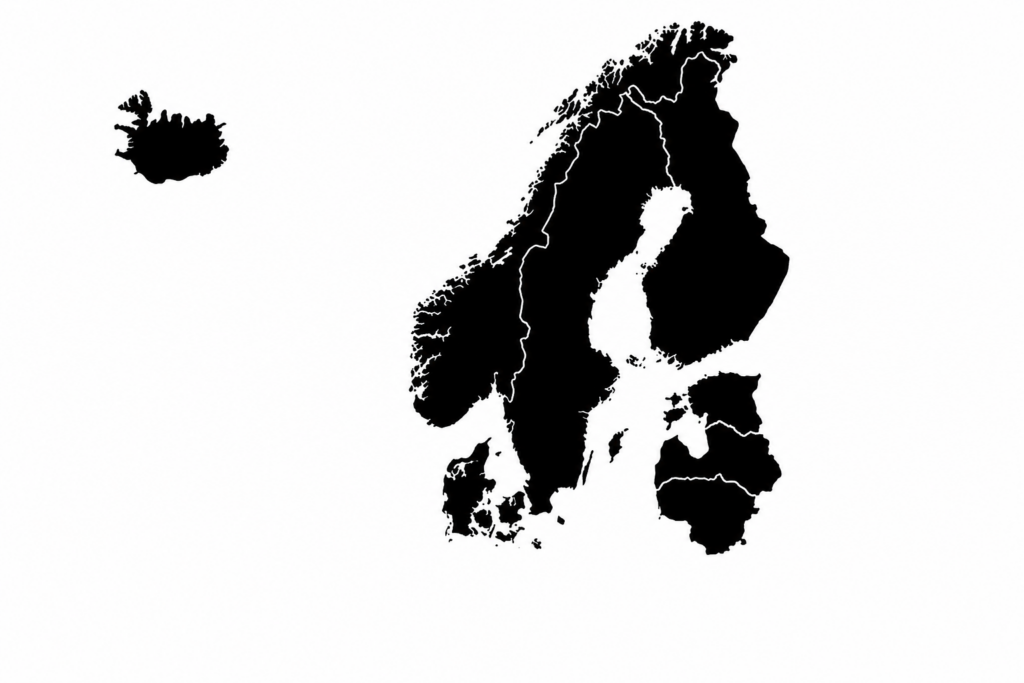
Northern Europe
Northern Europe is a region of dramatic natural beauty, minimalist design, Viking heritage, and some of the most breathtaking landscapes on Earth. Countries like Norway, Sweden, Finland, Denmark, and Iceland offer towering fjords, Arctic wilderness, glacier lagoons, remote islands, and charming waterfront cities. Summer brings endless daylight, hiking, and scenic road trips, while winter transforms the region into a world of northern lights, snow-covered forests, dog sledding, and world-class skiing.
Iceland, Norway, Sweden, Finland, Denmark, Estonia, Latvia, Lithuania
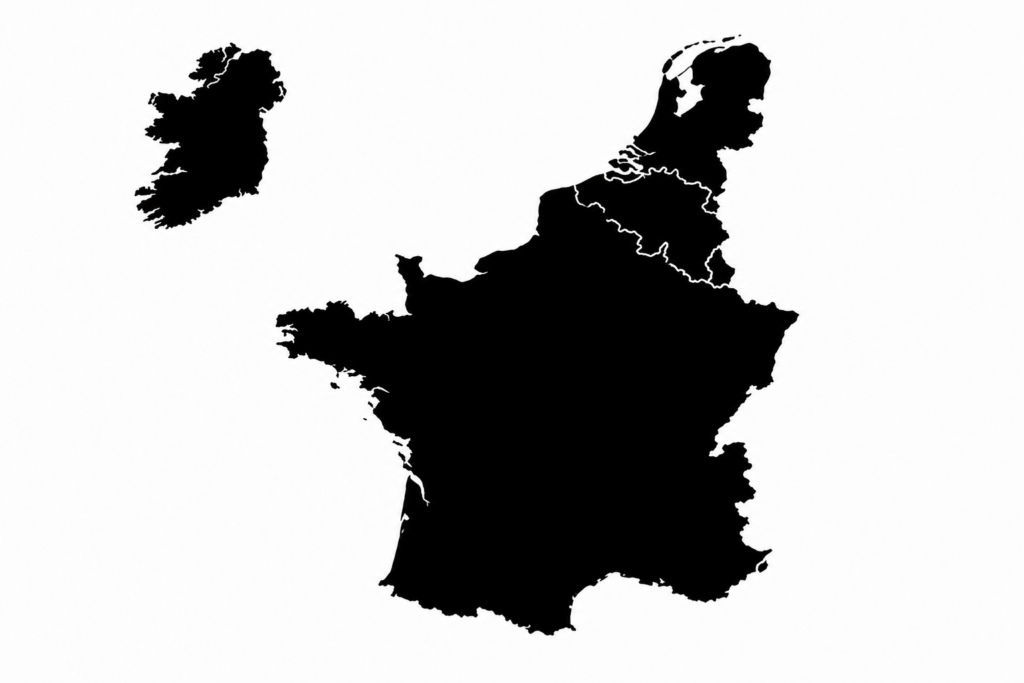
Western Europe
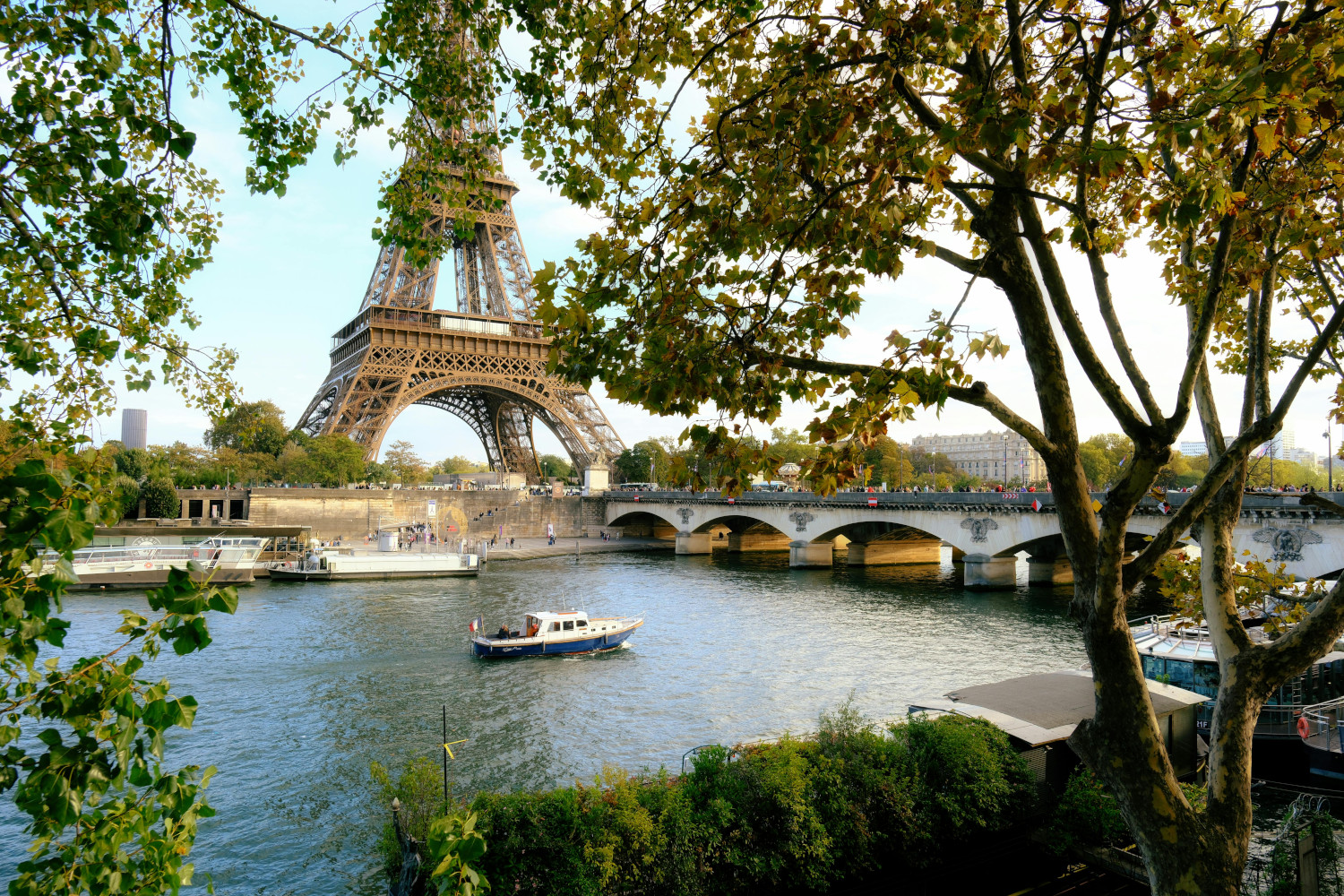
Western Europe is home to some of the continent’s most iconic cities, world-famous art, historic landmarks, and refined culinary traditions. Countries like France, Belgium, Netherlands, Luxembourg, and parts of Germany combine medieval old towns, cosmopolitan capitals, river valleys, vineyards, and legendary museums. Wander the streets of Paris, cycle Amsterdam’s canals, explore fairytale villages in Belgium, or sip wine in the French countryside—this is Europe at its most classic.
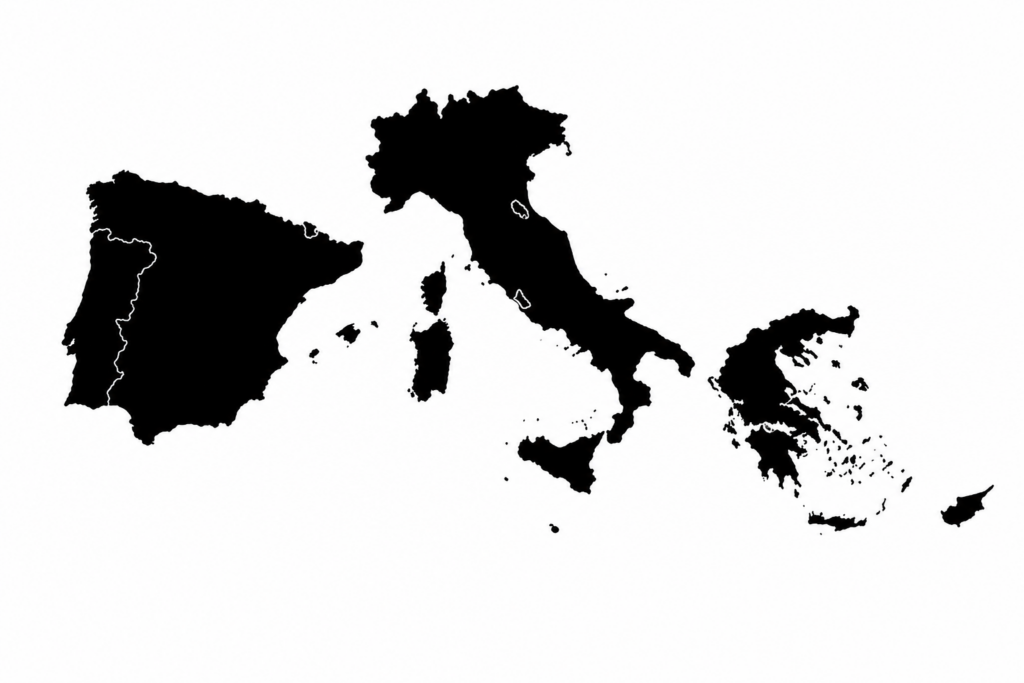
Southern Europe
Southern Europe is sunshine, coastline, ancient civilizations, and some of the world’s most celebrated food and lifestyle. Italy, Spain, Portugal, Greece, and Malta deliver Mediterranean beaches, Roman ruins, cliffside villages, island chains, olive groves, and vibrant city life. From the Amalfi Coast and Greek islands to Andalusian plazas and Portuguese surf towns, this region is perfect for food lovers, beach seekers, history buffs, and slow travelers.
Spain, Portugal, Italy, Greece, Malta, Cyprus, San Marino, Vatican City, Andorra
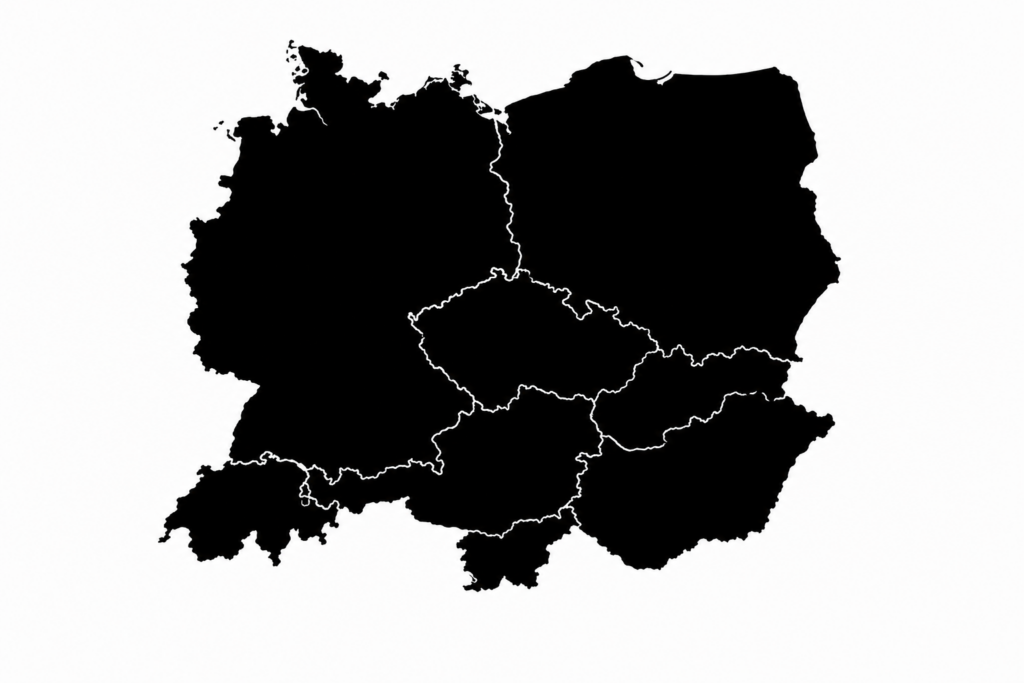
Central Europe
Central Europe blends storybook architecture, imperial history, alpine scenery, and some of Europe’s most charming cities. Countries like Germany, Austria, Switzerland, Czech Republic, Poland, and Hungary offer medieval squares, Christmas markets, castle towns, mountain railways, and legendary beer halls. Whether you’re wandering through Prague, skiing in the Alps, cruising the Danube, or exploring fairytale castles, Central Europe feels timeless in every season.
Germany, Austria, Switzerland, Poland, Czech Republic, Slovakia, Hungary, Liechtenstein, Slovenia
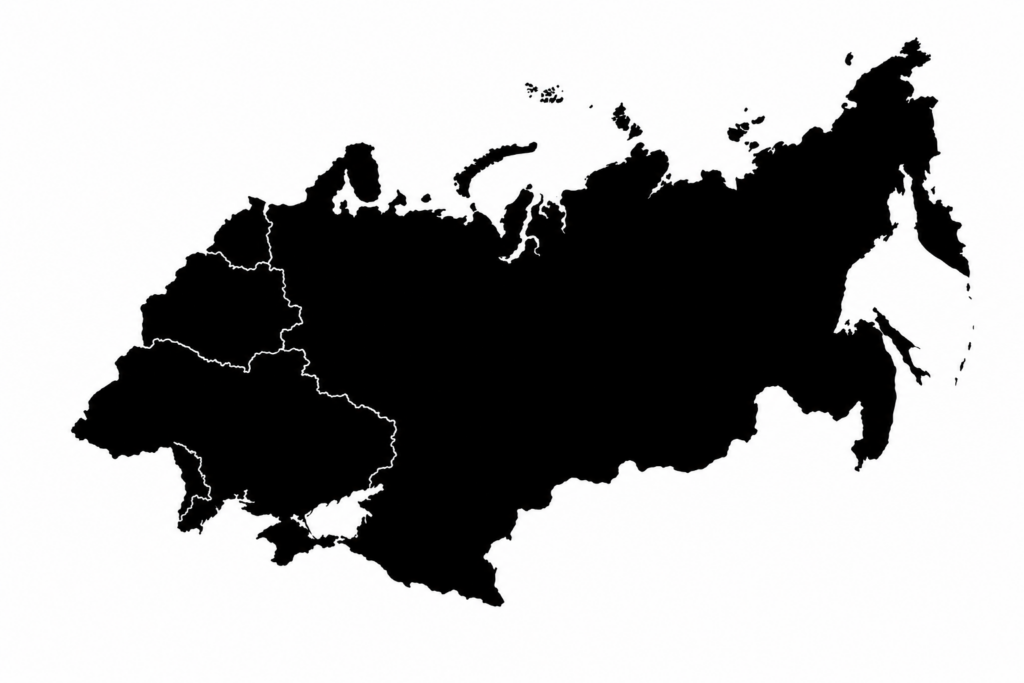
Eastern Europe
Eastern Europe offers some of the continent’s greatest value, deepest history, and most underrated cultural experiences. Countries within Eastern Europe combine mountain villages, medieval fortresses, Soviet-era history, Black Sea coastlines, and vibrant modern cities. Travelers here find fewer crowds, authentic local culture, stunning landscapes, and some of Europe’s most rewarding off-the-beaten-path adventures.
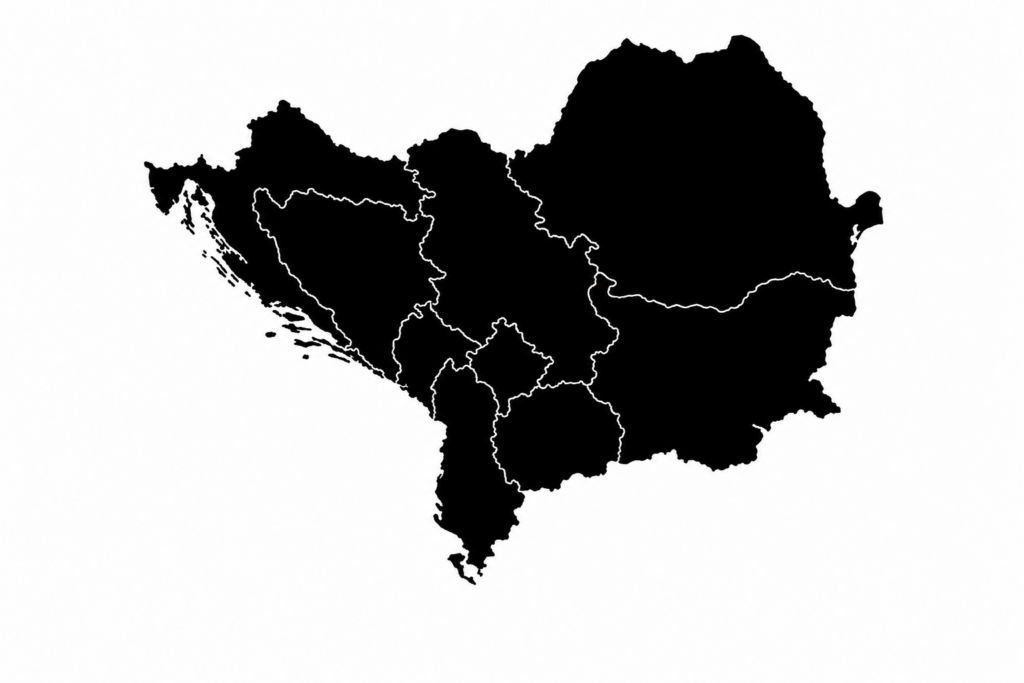
The Balkans
The Balkans are one of Europe’s most exciting and fast-rising travel regions, where turquoise coastlines, Ottoman history, mountain villages, and lively café culture all collide. Countries lwithin the Balkans offer Adriatic islands, dramatic national parks, ancient stone towns, and incredible value compared to Western Europe. From Dubrovnik’s walls to Albania’s beaches and Slovenia’s alpine lakes, the Balkans feel adventurous, authentic, and unforgettable.
Croatia, Bosnia and Herzegovina, Serbia, Montenegro, Kosovo, Albania, North Macedonia, Bulgaria, Romania
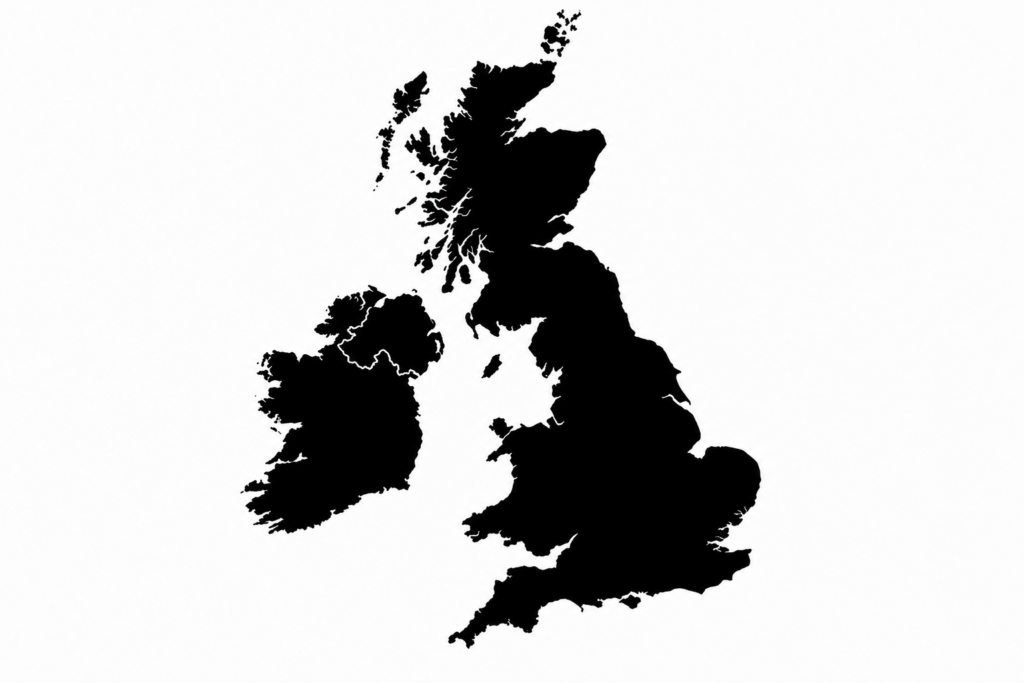
The British Isles
The British Isles combine rugged coastlines, literary history, rolling countryside, and some of Europe’s most iconic urban destinations. United Kingdom and Ireland deliver ancient castles, dramatic cliffs, cozy pubs, misty highlands, and cities packed with history, music, and culture. From the Scottish Highlands and Irish coastal roads to London’s museums and England’s countryside villages, this region blends history, nature, and character unlike anywhere else in Europe.
Europe by the Numbers
Countries
50+
Total area
~10.18 million km²
(~3.93 million sq mi)
(~3.93 million sq mi)
Population
~745 million (~9–10% of the world’s population)
Languages
200+
Ethnic Groups
250+
Currencies
30+
Most Visited
France, Spain, Italy, United Kingdom, Germany
Getting to Europe
Europe’s major international hubs connect seamlessly from North America, South America, Asia, the Middle East, Africa, and Australia, making it one of the easiest continents in the world to access. The most competitive long-haul routes typically arrive through major hubs like London, Paris, Amsterdam, Frankfurt, Madrid, and Istanbul. Thanks to Europe’s dense rail networks, budget airlines, and short distances between countries, arriving in one city often opens the door to dozens more within just a few hours.
Key gateway airports:
- London Heathrow Airport (LHR) — One of the world’s busiest international hubs; exceptional long-haul connectivity and onward access across the British Isles and mainland Europe.
- Paris Charles de Gaulle Airport (CDG) — A major gateway to Western Europe, with extensive global routes and high-speed rail connections directly from the airport.
- Amsterdam Airport Schiphol (AMS) — One of Europe’s easiest transit hubs; efficient layouts and excellent onward flights and rail connections.
- Frankfurt Airport (FRA) — Central Europe’s aviation powerhouse; ideal for onward travel into Germany, the Alps, and Eastern Europe.
- Adolfo Suárez Madrid–Barajas Airport (Madrid, Spain) (MAD) — A major gateway to Southern Europe, Iberia, and transatlantic connections from the Americas.
- Istanbul Airport (IST) — One of the world’s fastest-growing mega hubs; ideal for connections between Europe, Asia, and the Middle East.
Pro tip: Once in Europe, budget airlines like Ryanair, easyJet, and Wizz Air, combined with high-speed rail networks like the Eurostar and continental rail systems, make multi-country travel surprisingly affordable and efficient. Booking flights, trains, and popular summer routes in advance—especially from June through August or during Christmas market season—can save a significant amount.
Where to Stay
Accommodation in Europe spans an extraordinary range— from backpacker hostels in medieval old towns and family-run guesthouses in the countryside to boutique city hotels, alpine chalets, cliffside villas, historic castles, and some of the most celebrated luxury properties on Earth. Whether you’re traveling on a shoestring through Eastern Europe, planning a romantic Mediterranean escape, or checking into a five-star palace in Paris, Europe offers accommodation for every style of traveler in every season.
Budget: Hostels, pensions, guesthouses, university residences, and budget hotels are widely available throughout Europe, especially in destinations across Portugal, Spain, Hungary, Poland, the Balkans, and much of Eastern Europe. Expect roughly $20–60 USD per night for a hostel bed or simple private room, with some Western European capitals running higher during peak season.
Mid-range: Boutique hotels, stylish apartments, countryside inns, and centrally located city stays typically run $80–250 USD per night across most of Europe. Cities like Prague, Budapest, Lisbon, and Kraków often deliver excellent value, while places like Paris, Amsterdam, or Zurich tend to sit at the higher end.
Luxury: Europe is home to some of the world’s most iconic luxury hotels, palace properties, vineyard estates, private island resorts, alpine lodges, and historic grand hotels. Luxury stays in destinations like France, Italy, Switzerland, and Greece typically begin around $300–600 USD per night, with legendary properties on the Amalfi Coast, the French Riviera, Santorini, or the Swiss Alps often exceeding $1,000–3,000+ per night.
Unique stays: Few places in the world offer accommodation as memorable as Europe. Sleep in a centuries-old castle in Ireland, a vineyard estate in France, a cliffside cave suite in Santorini, a glass igloo beneath the northern lights in Finland, a mountain chalet in the Swiss Alps, a converted monastery in Spain, or a lakeside cabin deep in Norway. Europe delivers some of the world’s most diverse and unforgettable accommodation experiences.
Featured Cities
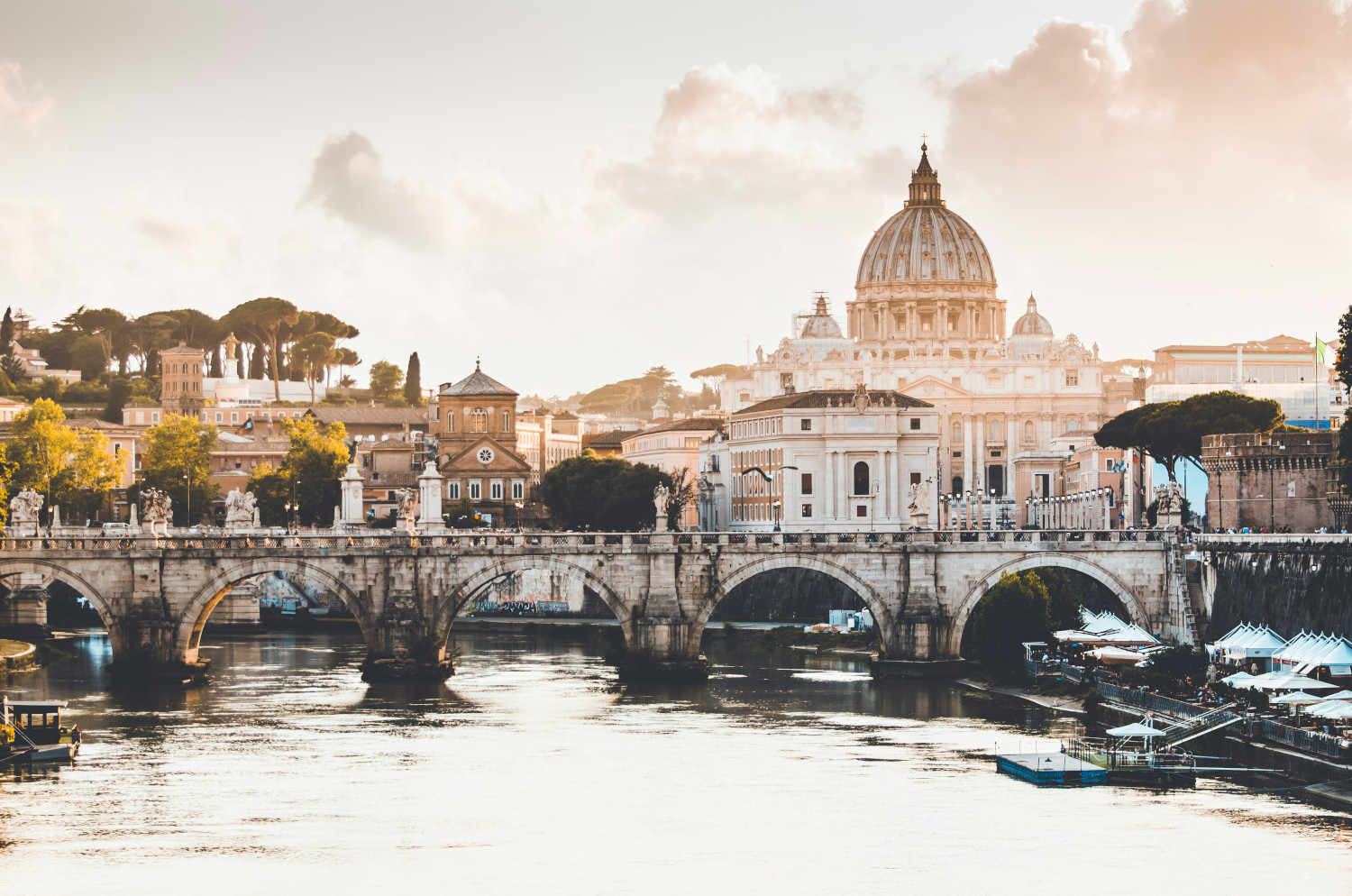
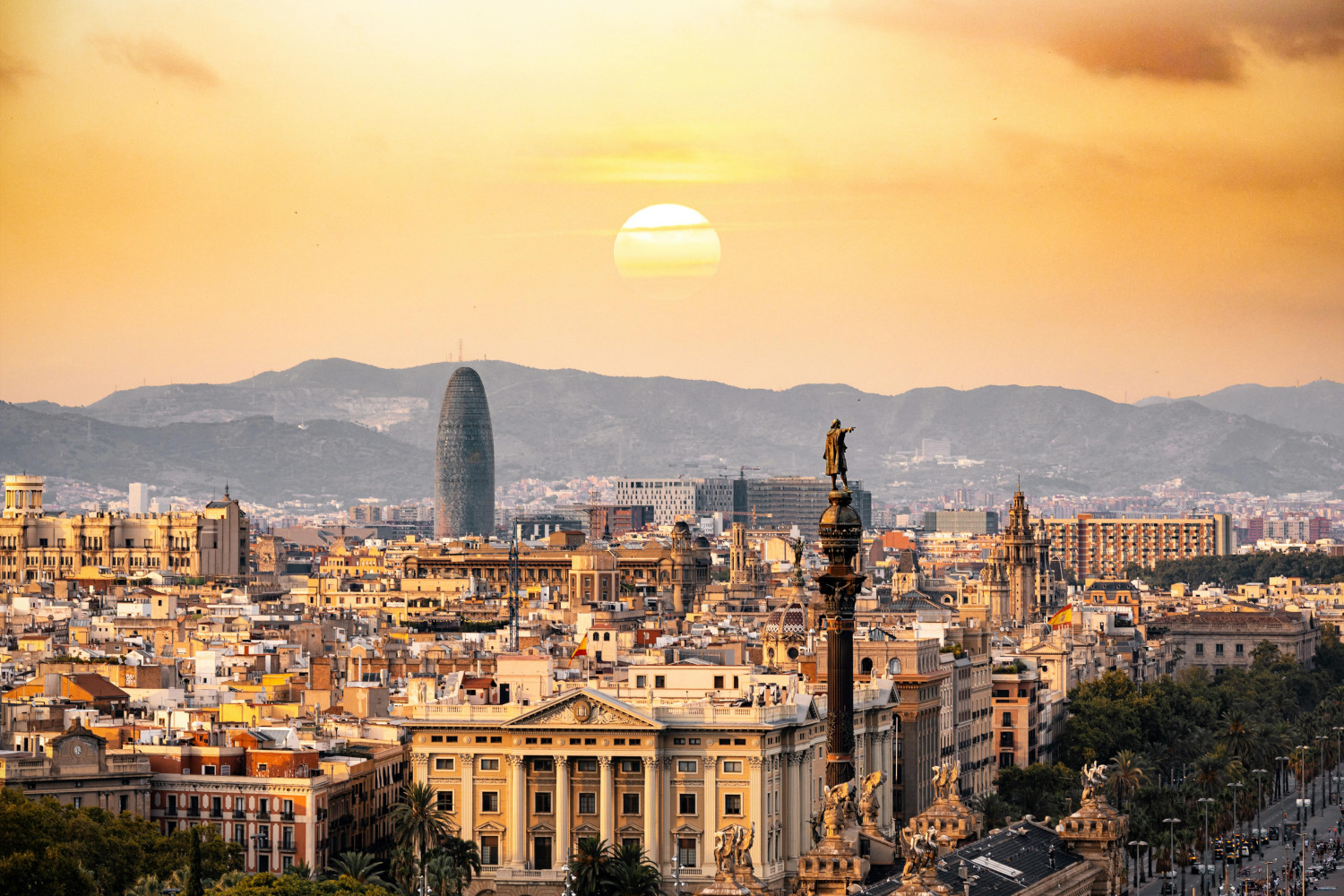
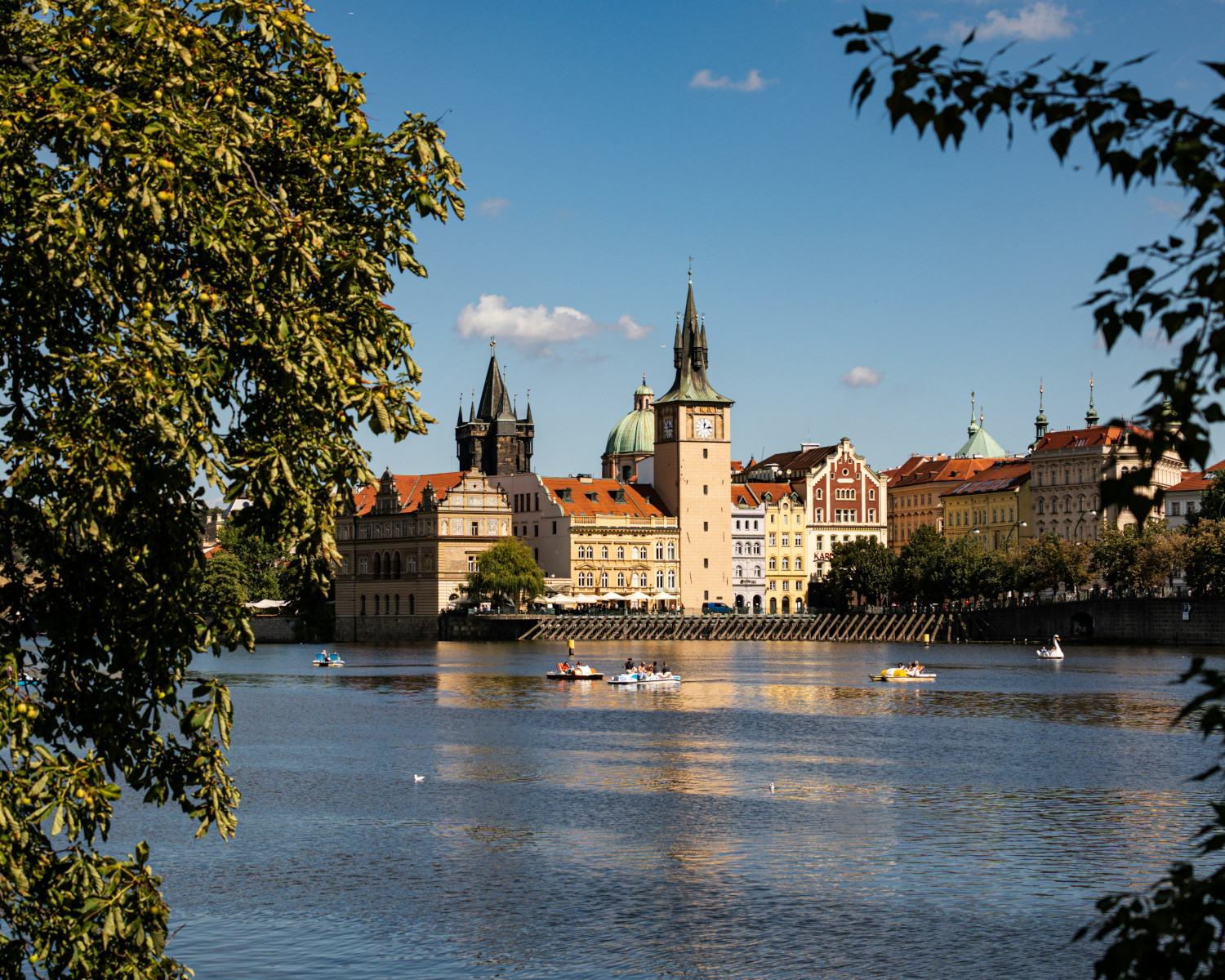
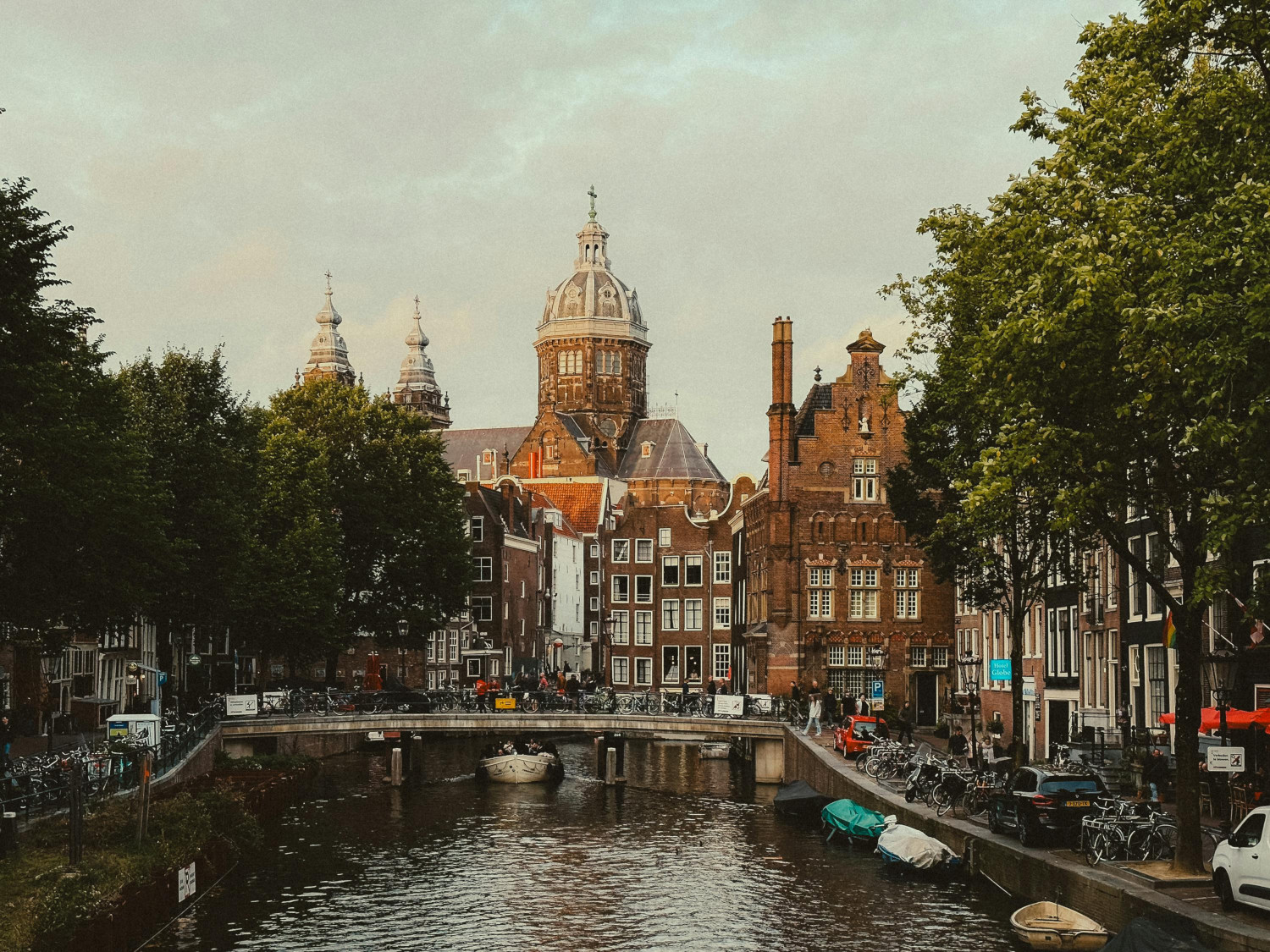
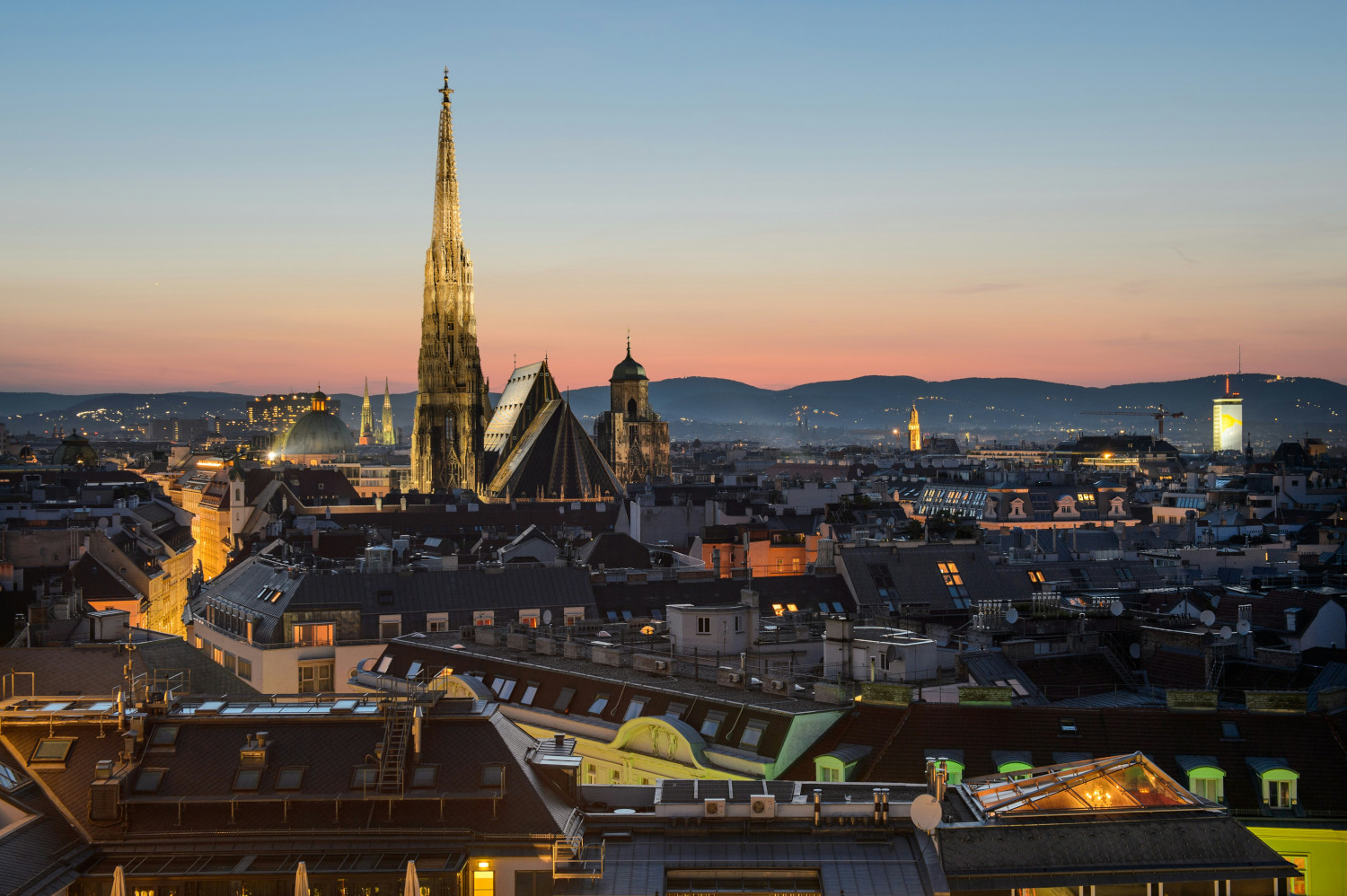
Getting Around
Getting around Europe efficiently is one of the most important planning decisions you’ll make—and thankfully, few places on Earth make multi-country travel easier. From high-speed trains and budget airlines to overnight sleepers, scenic ferries, rental cars, and world-class public transportation, Europe offers an incredible range of transport options that make exploring the continent both flexible and efficient.
Domestic & regional flights: Budget airlines make cross-border travel remarkably affordable if booked early. Carriers like Ryanair, easyJet, Wizz Air, Vueling, and Eurowings connect hundreds of cities across Europe, with one-way flights often cheaper than train tickets on longer routes.
Trains: Europe’s rail network is one of the best in the world. High-speed services like the Eurostar, France’s TGV, Germany’s ICE, Italy’s Frecciarossa, and Spain’s AVE connect major cities quickly, comfortably, and often directly city-center to city-center. Scenic rail routes through the Swiss Alps, Norwegian fjords, Austrian mountains, and Scottish Highlands are among the world’s great train journeys.
Overnight trains & sleeper routes: Overnight rail remains one of Europe’s most efficient and memorable ways to travel long distances while saving on accommodation. Popular sleeper routes connect cities like Vienna, Budapest, Prague, Berlin, Zurich, Paris, Rome, and Amsterdam, allowing you to wake up in an entirely new country.
Ferries & boats: Essential for island-hopping and coastal exploration. Ferries connect the Greek Islands, Croatia’s Adriatic coast, Italy’s islands, the Norwegian fjords, Scotland’s Hebrides, the Baltic capitals, and countless Mediterranean destinations. Quality and speed vary widely, so booking in advance during summer is highly recommended.
Metro, trams & city transport: Europe’s cities are built for public transport. Underground metros, trams, buses, suburban rail, and regional transit systems in cities like London, Paris, Berlin, Vienna, and Barcelona make urban travel easy, affordable, and often faster than driving.
Rental cars & road trips: Renting a car opens up some of Europe’s most spectacular regions—from the fjords of Norway and the alpine passes of Switzerland to the vineyards of France, coastal villages of Portugal, and remote mountain roads in the Balkans. It’s often the best option for countryside, island, or off-the-beaten-path travel.
Bikes, scooters & walking: Many of Europe’s most beautiful cities are designed to be explored on foot or by bike. Cities like Amsterdam, Copenhagen, and Ljubljana are especially cycle-friendly, while historic city centers across the continent are often pedestrianized and best explored slowly.
Pro tip: Booking trains, flights, ferries, and sleeper routes in advance—especially during summer, Christmas markets, Easter, and major festival periods—can save a significant amount and secure the best schedules.
Things to Do
Europe’s activity range is every bit as diverse as its landscapes. From ancient ruins and medieval capitals to alpine peaks, Mediterranean islands, Arctic wilderness, world-class museums, and unforgettable food culture, this continent offers experiences for every kind of traveler. A shortlist of the unmissable:
Wildlife & nature: Whale watching in Iceland · Reindeer and northern lights experiences in Finland · Hiking glacier valleys in Norway · Exploring volcanic landscapes in Iceland · Brown bear tracking in Romania · Alpine wildflower hiking in Switzerland
History & culture: Exploring the Colosseum · Walking the Acropolis in Athens · Visiting the Eiffel Tower · Touring castles in Germany · Wandering the old streets of Prague · Discovering Renaissance masterpieces in Florence
Adventure: Hiking the Swiss Alps · Trekking the Dolomites · Kayaking Norwegian fjords · Surfing Portugal’s Atlantic coast · Skiing in Austria · Road-tripping Iceland’s Ring Road
Beaches & islands: Island-hopping in Greece · Sailing Croatia’s Adriatic coast · Exploring the beaches of Algarve · Relaxing on the islands of Spain · Discovering the Amalfi Coast in Italy · Swimming in Montenegro’s Bay of Kotor
Food experiences: Pasta-making in Bologna · Wine tasting in France · Tapas tours in Barcelona · Beer halls in Munich · Chocolate experiences in Belgium · Market-to-table cooking classes in Lisbon
Unique experiences: Sleeping in a castle in Ireland · Watching the northern lights in Norway · Riding the Glacier Express through Switzerland · Visiting Christmas markets in Austria · Cruising the Danube through Central Europe · Staying in a glass igloo beneath Arctic skies in Finland.
Food & Drink
Europe contains some of the world’s most celebrated food cultures—and the diversity between regions is extraordinary. From Michelin-starred capitals and centuries-old wine regions to mountain farm kitchens, bustling city markets, and seaside tavernas, few places on Earth reward food-focused travel quite like Europe.
Southern Europe is where food becomes a way of life. Italy delivers everything from handmade pasta and wood-fired pizza to truffle dishes and vineyard lunches. Spain thrives on tapas culture, jamón, seafood, and late-night dining, while Greece brings olive oil, grilled seafood, feta, and family-run tavernas overlooking the Aegean. Mediterranean cuisine is fresh, seasonal, and deeply regional.
Western Europe is home to some of the world’s most refined culinary traditions. France remains legendary for its bistros, pâtisseries, cheeses, wines, and Michelin-starred dining. Belgium is famous for chocolate, waffles, fries, and world-class beer, while Netherlands and Switzerland offer everything from artisan cheeses to alpine comfort food and fine chocolate.
Central Europe is rich, hearty, and built for long winters and lively beer halls. Germany delivers sausages, pretzels, schnitzel, and legendary beer culture. Austria brings elegant coffeehouses, pastries, and alpine cuisine, while Czech Republic and Hungary serve comforting dishes like goulash, dumplings, roast meats, and hearty stews.
Northern Europe focuses on purity, seasonality, and ingredients from land and sea. Denmark and Sweden have helped redefine modern cuisine with Nordic food philosophy, while Norway, Finland, and Iceland bring smoked fish, wild berries, rye breads, reindeer, and beautifully minimalist cooking.
Eastern Europe & the Balkans offer some of Europe’s best-value food experiences. From grilled meats and fresh bread in Croatia and Serbia to dumplings, soups, and home-style cooking in Poland and Romania, this part of Europe is warm, generous, and deeply traditional.
Local markets, cafés, wine bars, bakeries, and family-run restaurants are essential everywhere. Don’t eat every meal near the main tourist squares—the best food in Europe is often found down quiet cobblestone lanes, in neighborhood trattorias, countryside wineries, mountain huts, coastal seafood shacks, and markets where locals still shop every morning.
Safety in Europe
Europe is overwhelmingly safe for travelers—and for many visitors, it’s one of the easiest and most comfortable regions in the world to explore independently. Violent crime against tourists is relatively rare across most of the continent, infrastructure is excellent, healthcare is generally high-quality, and public transport is reliable. That said, safety varies by country, city, neighborhood, season, and your own travel habits.
Generally very safe: Switzerland, Austria, Norway, Denmark, Finland, Iceland, Netherlands, Germany, Portugal, and much of Western and Northern Europe consistently rank among the safest destinations globally.
Safe with standard precautions: France, Spain, Italy, Greece, Czech Republic, Hungary, Croatia, Poland, and most major tourist destinations are very manageable, though pickpocketing and tourist scams can occur in crowded transport hubs, historic centers, beaches, festivals, and major landmarks.
Require extra research: Parts of the Balkans, remote border regions in Eastern Europe, active protest zones, isolated nightlife districts, and areas near current geopolitical tensions may require extra planning. Always check official government advisories before crossing land borders or traveling to remote regions.
Common sense across all of Europe:
• Watch for pickpockets on metros, trains, airports, and crowded landmarks—especially in cities like Paris, Rome, Barcelona, and Prague
• Keep copies of your passport, travel insurance, visas, and emergency contacts stored separately
• Use licensed taxis, reputable rideshare apps, or official airport transfers rather than unofficial drivers
• Be aware of common tourist scams—bracelet scams, fake petitions, overcharging taxis, ATM skimmers, and distraction thefts
• Validate train tickets where required to avoid fines, especially in parts of Central and Eastern Europe
• Respect local laws, dress codes, and photography restrictions at churches, monasteries, memorials, and government sites
• Winter travelers should prepare for snow, ice, and mountain road closures in alpine and northern regions
• Purchase comprehensive travel insurance before departure—medical care is excellent across much of Europe, but emergency evacuation, ski accidents, or private treatment can be expensive without coverage
With basic awareness and normal precautions, Europe remains one of the safest, easiest, and most rewarding continents to explore independently.
Currency
Europe uses a wide range of currencies, though much of the continent shares one of the world’s most recognizable currencies: the Euro (EUR). From the eurozone nations of France, Italy, Spain, and Portugal to independent currencies like the British Pound, Swiss Franc, Czech Koruna, Hungarian Forint, Polish Złoty, Norwegian Krone, and others, managing money in Europe requires a bit of planning—especially on multi-country trips.
Cash vs card: Europe is one of the easiest regions in the world for card payments. Credit cards, debit cards, contactless payments, and mobile wallets are widely accepted across Western, Northern, and much of Central Europe. Countries like United Kingdom, Sweden, Denmark, Netherlands, and Germany are highly card-friendly, though small cafés, market stalls, mountain huts, rural guesthouses, and parts of Southern or Eastern Europe may still prefer cash.
ATMs & exchange: ATMs are widely available in cities, airports, train stations, tourist hubs, and even small towns throughout Europe, though withdrawal fees can vary depending on your bank and local ATM operator. Currency exchange counters are common at airports and major transit centers, but exchange rates are often better through bank ATMs or reputable exchange offices in city centers. Carrying a small amount of euros—or local currency outside the eurozone—can be helpful for transport, tips, public toilets, rural areas, and small purchases.
Tipping culture: Tipping varies significantly across Europe. In countries like France, Italy, and Spain, service is often included, and rounding up or leaving a few euros is appreciated but not mandatory. In places like United Kingdom, tipping around 10–15% may be expected in restaurants if service isn’t included, while in parts of Scandinavia and Central Europe, tipping is generally modest.
Costs: Europe can fit almost any budget, but prices vary dramatically by region. Countries like Portugal, Hungary, Poland, Romania, and much of the Balkans offer excellent value, where accommodation, meals, and transport can be very affordable. Meanwhile destinations like Switzerland, Norway, Iceland, and parts of Western Europe tend to be significantly more expensive, with prices often comparable to or above North American standards.
Pro tip: If you’re visiting multiple countries, use a travel-friendly card with no foreign transaction fees, always choose to pay in the local currency rather than your home currency when given the option, and notify your bank before departure if required. On longer trips, a mix of cards, mobile payments, and a small amount of local cash is usually the easiest approach.