
Travel Guide
Asia
Overview
Asia is the world’s largest and most populous continent — and the most overwhelming to plan a trip to, in the best possible way.
It’s the continent of ancient temples and futuristic skylines, of Himalayan trekking routes and tropical island chains, of street food that costs less than a coffee at home and Michelin-starred restaurants that require months of reservations. No other region on Earth packs this much contrast into one place.
Whether you’re dreaming of watching the sunrise over Angkor Wat, eating your way through Tokyo’s backstreet ramen shops, surfing in Bali, island-hopping through the Philippines, or trekking to Everest Base Camp — Asia is where travelers go once and return to for the rest of their lives.
Why Travel to Asia?
Asia rewards every type of traveler. Budget backpackers can live well in Southeast Asia for under $30 a day. Luxury seekers can check into a Maldivian overwater villa or a Tokyo suite with a view of Mount Fuji. Foodies have 10+ UNESCO-recognized culinary traditions to work through. History buffs have civilizations stretching back 5,000 years. Adventure travelers have every terrain imaginable — jungle, desert, ocean, glacier, volcano — within a single continent.
It’s also, for most Western travelers, the most accessible “far” destination. Flight connections are frequent, infrastructure in the popular corridors is excellent, and the sheer density of unmissable places means you could visit every year for a decade and never repeat a trip.
When to Go to Asia
Asia doesn’t have one season — it has dozens, shifting dramatically by region. Southeast Asia runs on a monsoon cycle that makes timing critical: Thailand’s islands are perfect from November to April and waterlogged from June to October. Japan’s cherry blossom season in late March and early April is one of the most sought-after travel windows in the world. India’s Rajasthan is best in winter; its Kerala backwaters shine in the dry season. Central Asia opens up in summer when mountain passes are clear.
The best time to visit Asia depends entirely on where in Asia you’re going.
Regions of Asia
Asia is too vast and too diverse to plan around as a whole. Understanding its five main regions is the essential first step in building any Asia trip.
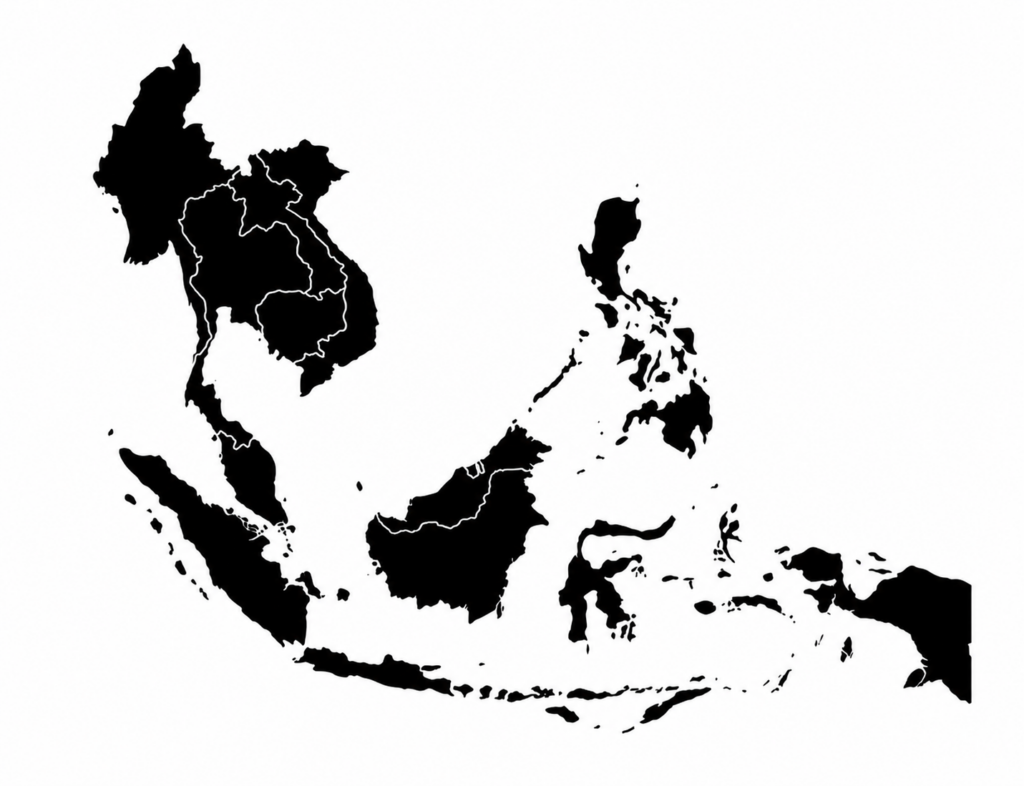
Southeast Asia
Southeast Asia is Asia’s great backpacker trail — and for good reason. This region delivers a near-perfect combination of affordability, beauty, cultural richness, and ease of travel. Ancient temples sit alongside white-sand beaches. Night markets overflow with food that costs next to nothing and tastes extraordinary. The infrastructure for tourism is excellent across the main routes, while just off the trail, you can still find corners of the region that feel completely untouched.
Thailand, Vietnam, Cambodia, Malaysia, Singapore, Indonesia, Philippines, Laos, Myanmar, Brunei, East Timor (Timor-Leste)
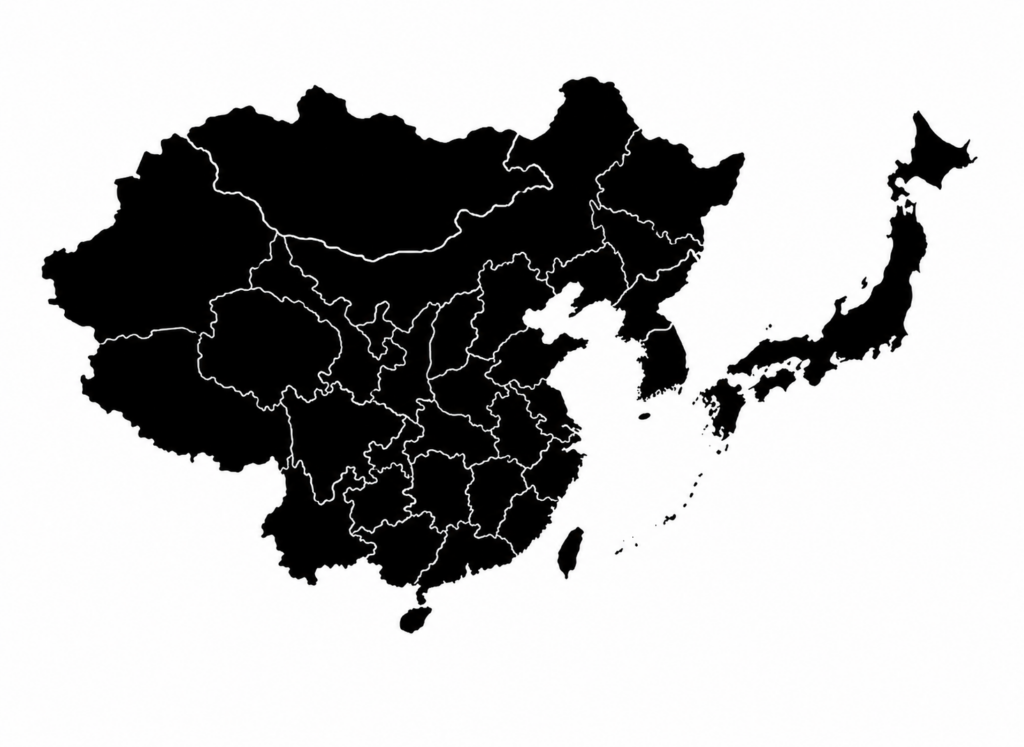
East Asia
East Asia is where ancient tradition and cutting-edge modernity exist on the same city block. This region rewards travelers with an extraordinary density of unmissable experiences — from world-class food and design to ancient temples, dramatic mountain landscapes, and some of the most efficient cities on Earth. Whether you’re drawn to iconic landmarks, neon-lit urban sprawl, highland wilderness, or centuries-old cultural tradition, East Asia delivers on every level.
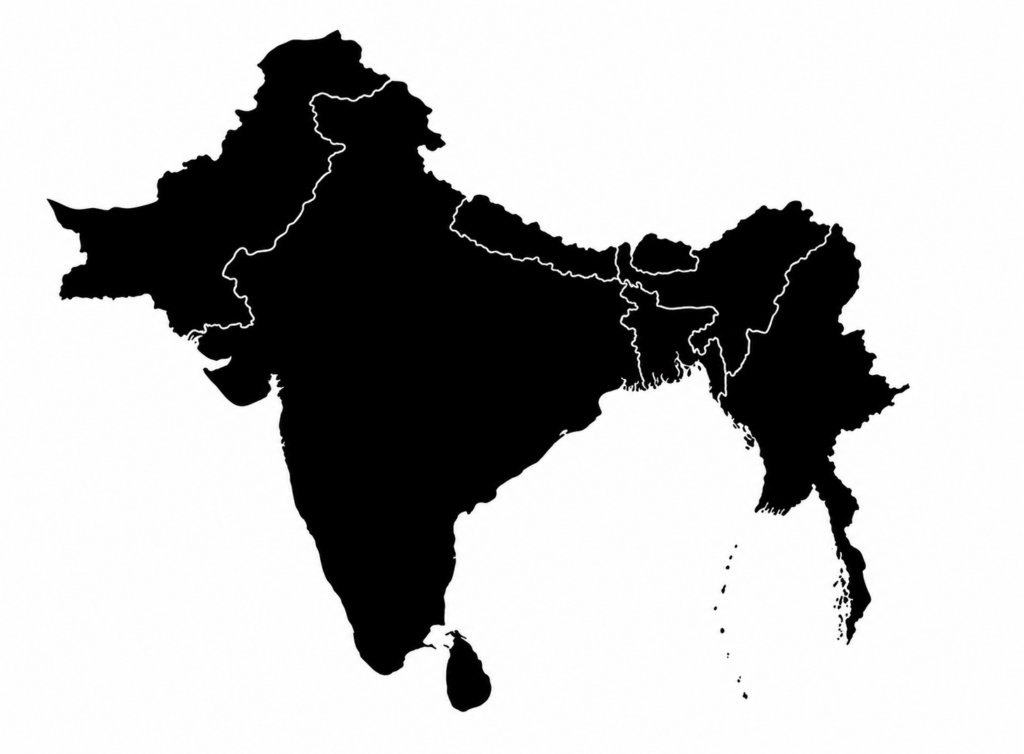
South Asia
South Asia is intense, layered, colorful, and unlike anywhere else on Earth. This region contains more diversity than most continents — languages, landscapes, cuisines, religions, and architectural traditions shift dramatically from country to country and even state to state. It is the world capital of Himalayan trekking, the home of ancient civilizations, and one of the most rewarding regions on the planet for travelers willing to lean into its complexity and pace.
India, Nepal, Sri Lanka, Maldives, Bhutan, Bangladesh, Pakistan, Afghanistan
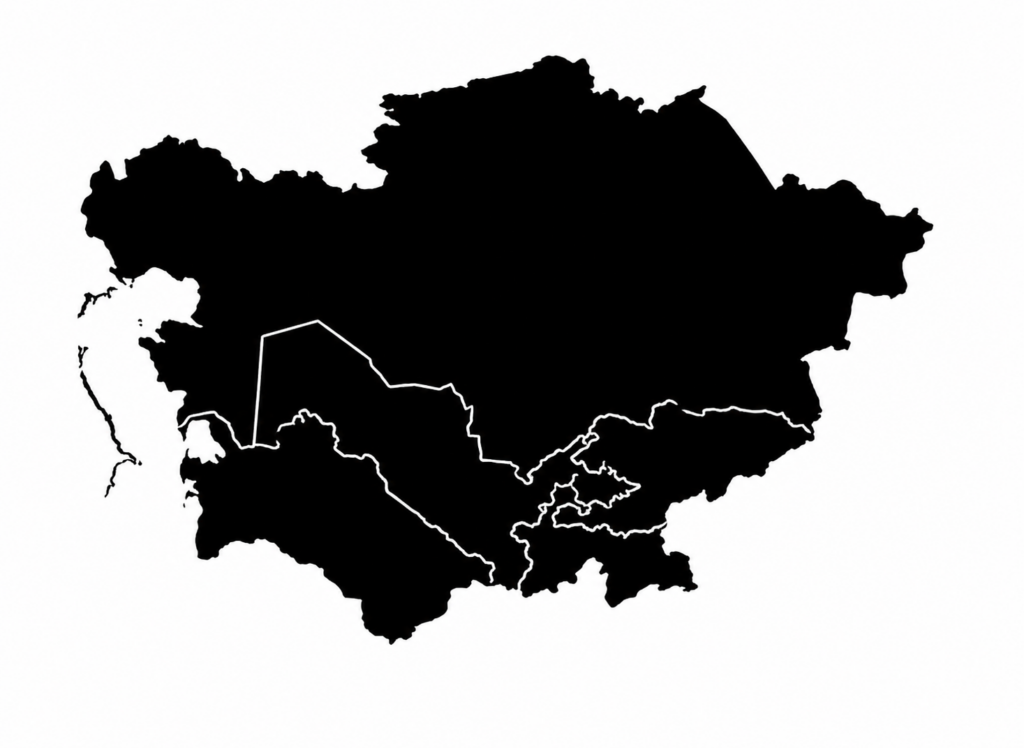
Central Asia
Central Asia is Asia’s final frontier for most travelers — a region of turquoise-tiled mosques, dramatic mountain ranges, nomadic traditions, and medieval trading cities that were once the center of the known world. The South Caucasus nations to the west offer their own distinct character, blending European and Asian influences across ancient winemaking valleys, Georgian Orthodox monasteries, and dramatic volcanic peaks. Tourism infrastructure is developing fast across the region, with several countries now firmly on the international travel radar.
Uzbekistan, Kazakhstan, Kyrgyzstan, Tajikistan, Turkmenistan, Georgia, Armenia, Azerbaijan, Turkey
Asia by the Numbers
Countries
48
Total area
44.6 million km²
(largest continent by area)
(largest continent by area)
Population
~4.7 billion
(60% of world population)
(60% of world population)
Languages
2,300+
Ethnic Groups
2,300+
Currencies
48+
Time Zones
11
Most Visited
Thailand, Japan, China, India, Malaysia
Getting to Asia
Asia’s major international hubs connect well from North America, Europe, and Australia. The most competitive long-haul routes are typically into Bangkok (BKK), Tokyo (NRT/HND), Singapore (SIN), Kuala Lumpur (KUL), and Delhi (DEL).
Key gateway airports:
- Bangkok Suvarnabhumi (BKK) — Southeast Asia’s busiest hub; excellent onward connections across the region
- Singapore Changi (SIN) — consistently ranked the world’s best airport; gateway to Southeast and South Asia
- Tokyo Narita/Haneda (NRT/HND) — East Asia’s premier hub; direct routes from most major global cities
- Kuala Lumpur (KUL) — AirAsia’s base; cheapest intra-Asia connections
- Dubai (DXB) — Emirates connects virtually every Asian city with excellent layover options
- Delhi (DEL) — South Asia’s main gateway; connects India with the rest of the continent
Pro tip: Once in Asia, budget airlines like AirAsia, IndiGo, Scoot, Cebu Pacific, and VietJet make intra-regional flights very affordable. Booking domestic and regional legs in advance (especially for Japan and peak season Southeast Asia) saves significantly.
Where to Stay
Accommodation options in Asia span a wider range than almost anywhere else in the world — from $5-a-night guesthouses in Southeast Asia to some of the world’s most spectacular luxury hotels and resort properties.
Budget: Hostels and guesthouses are excellent quality and widely available in Southeast Asia, India, Nepal, and South Korea. Expect $8–25/night for a private room.
Mid-range: Business hotels, boutique guesthouses, and resort properties run $40–150/night across most of the region. Japan tends to be higher; Southeast Asia lower.
Luxury: Asia has some of the world’s most celebrated luxury properties — Aman resorts, Park Hyatts, Six Senses, and Amanjiwo in Bali to name a few. Maldives overwater villas start at $400/night and go well beyond $2,000.
Unique stays: Japan’s ryokan (traditional inn), Thai elephant sanctuaries with accommodation, Mongolian ger camps, Kyrgyz yurt stays, Kerala houseboat rentals — Asia has the world’s most diverse alternative accommodation options.
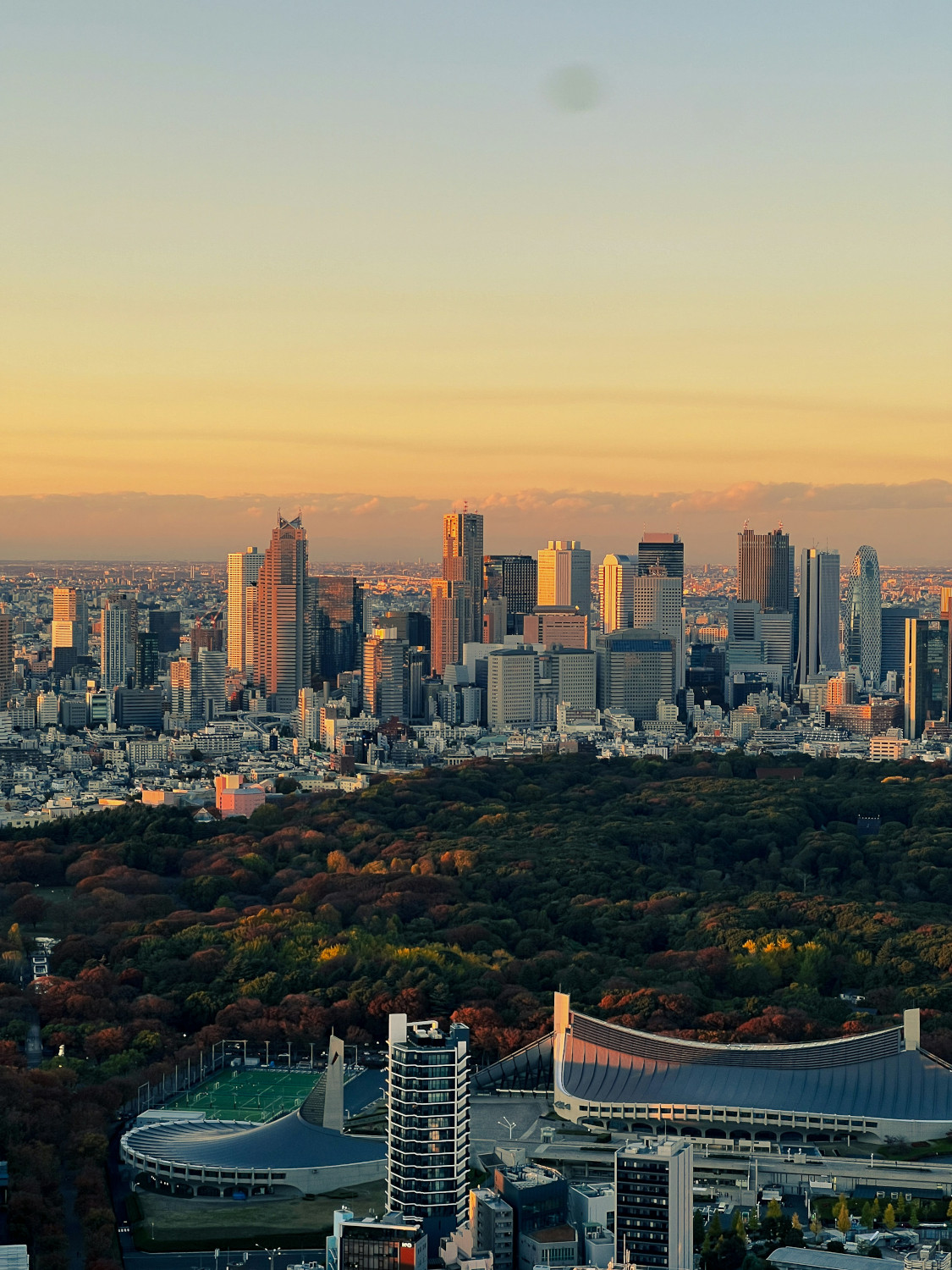
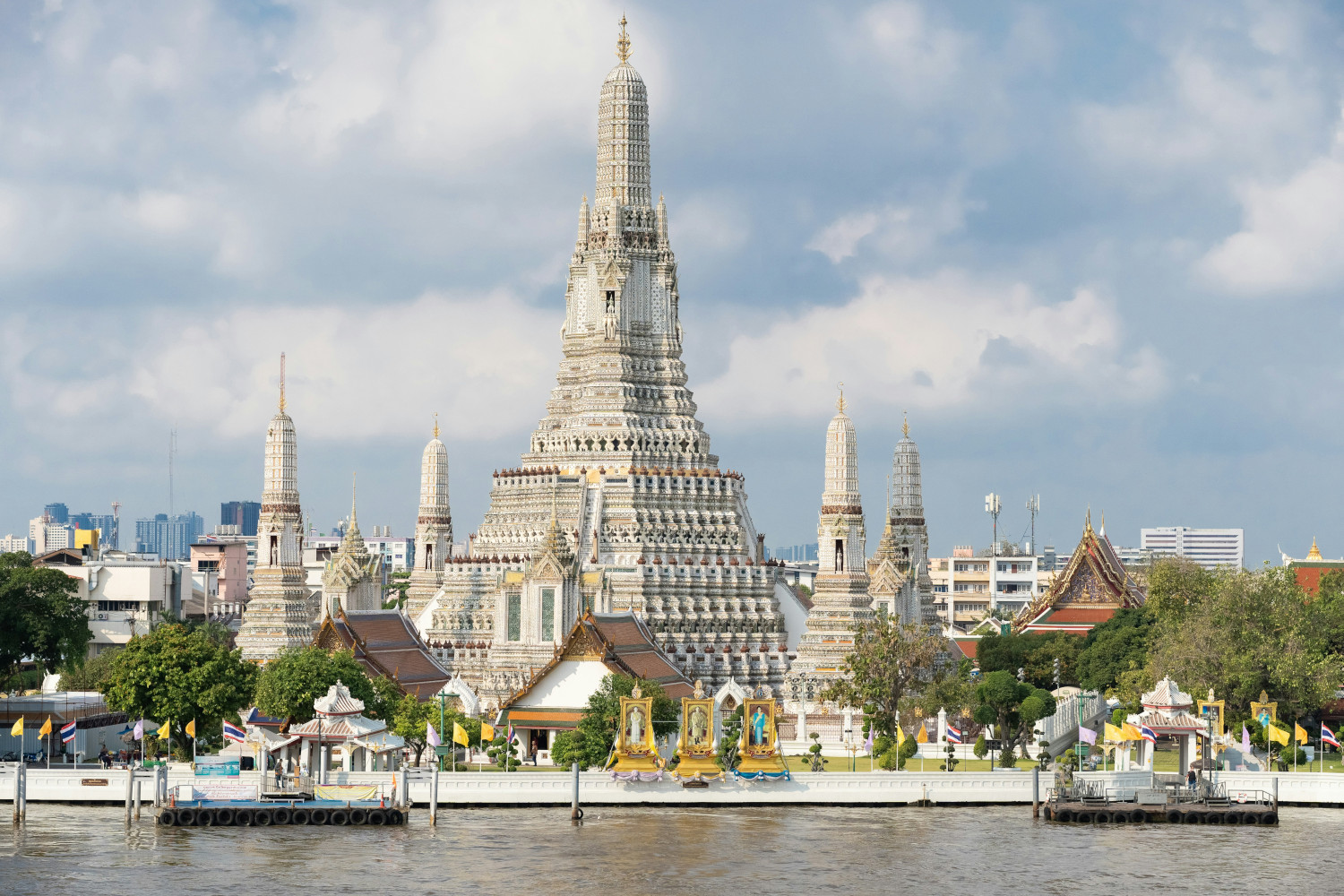
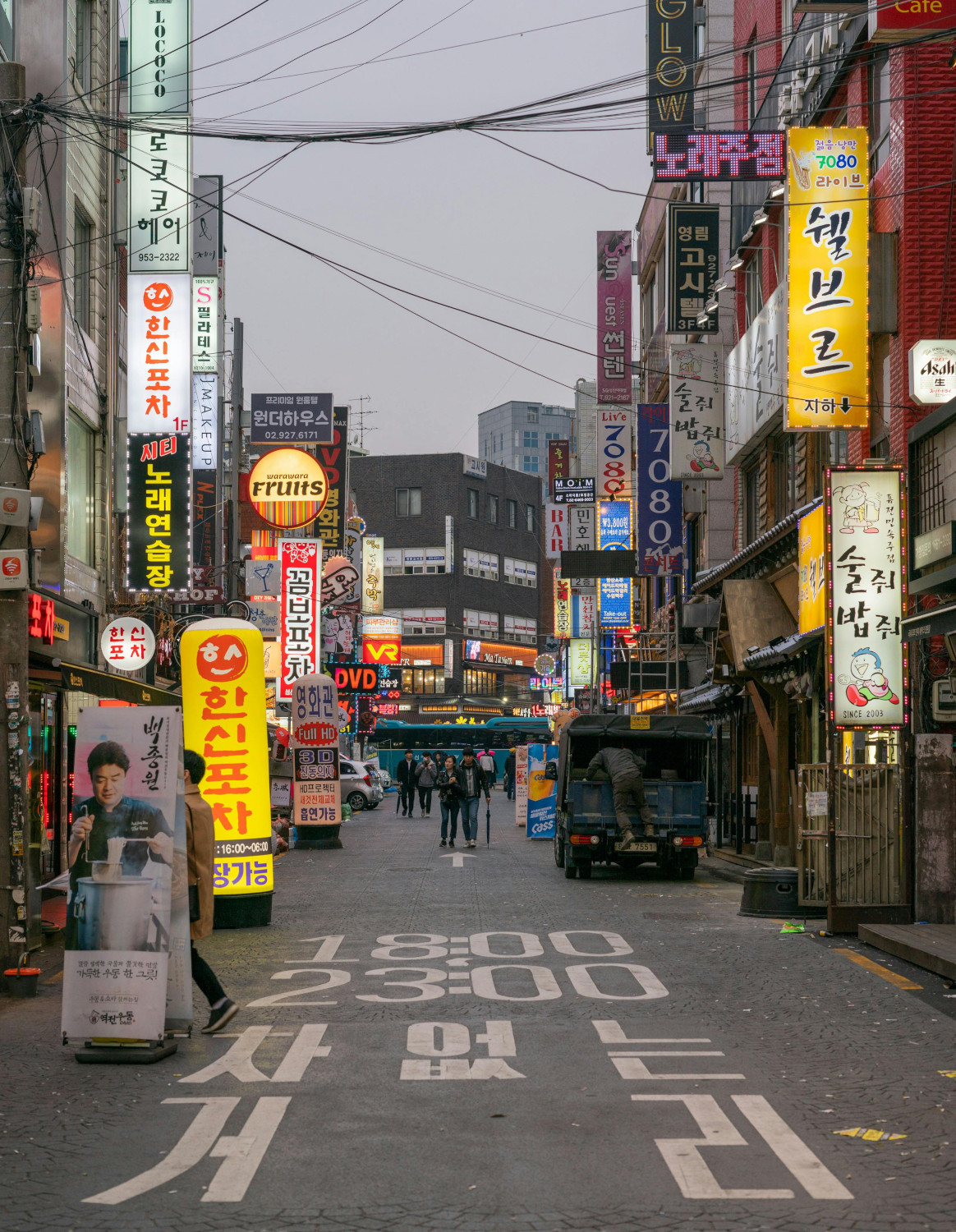
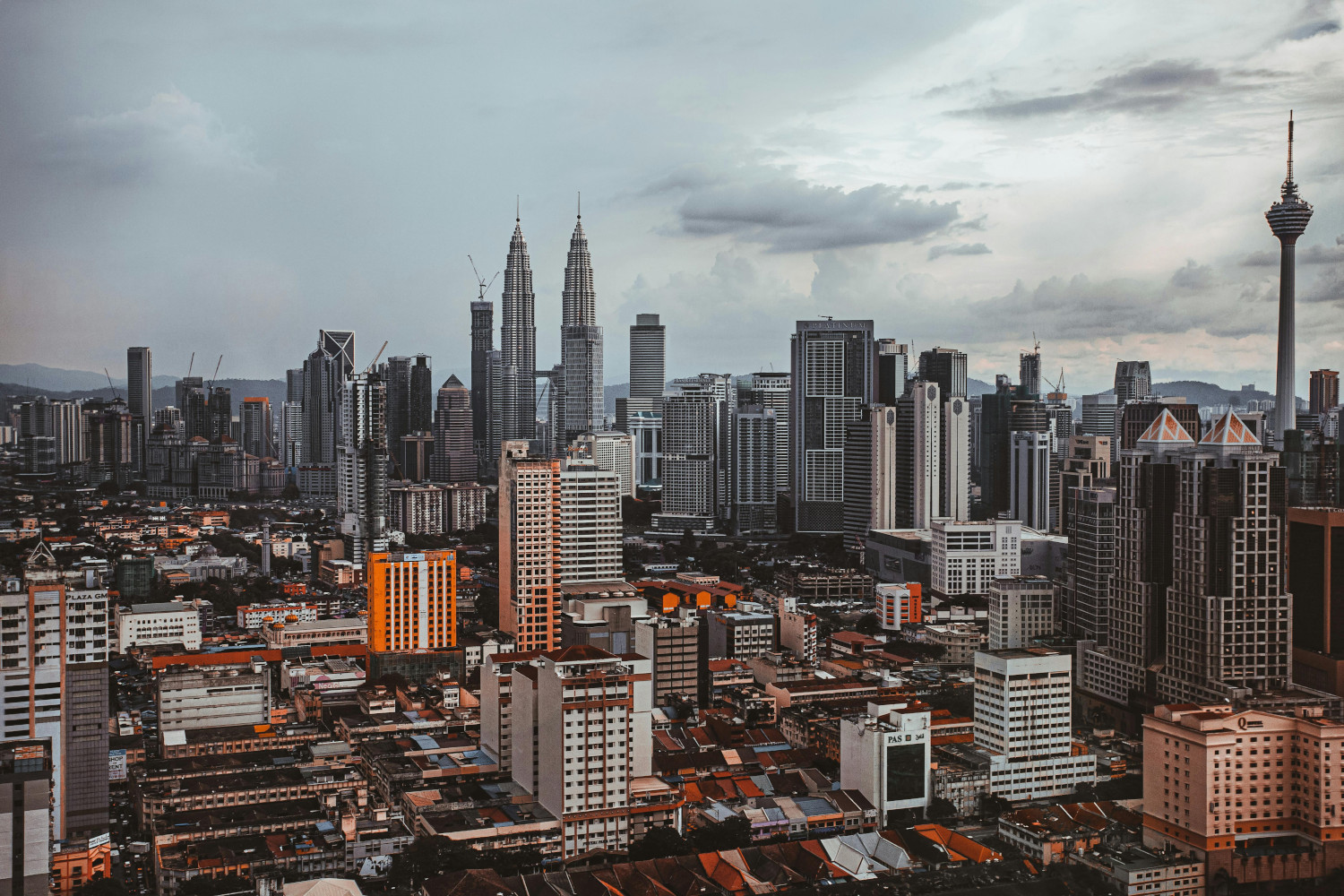
Featured Cities
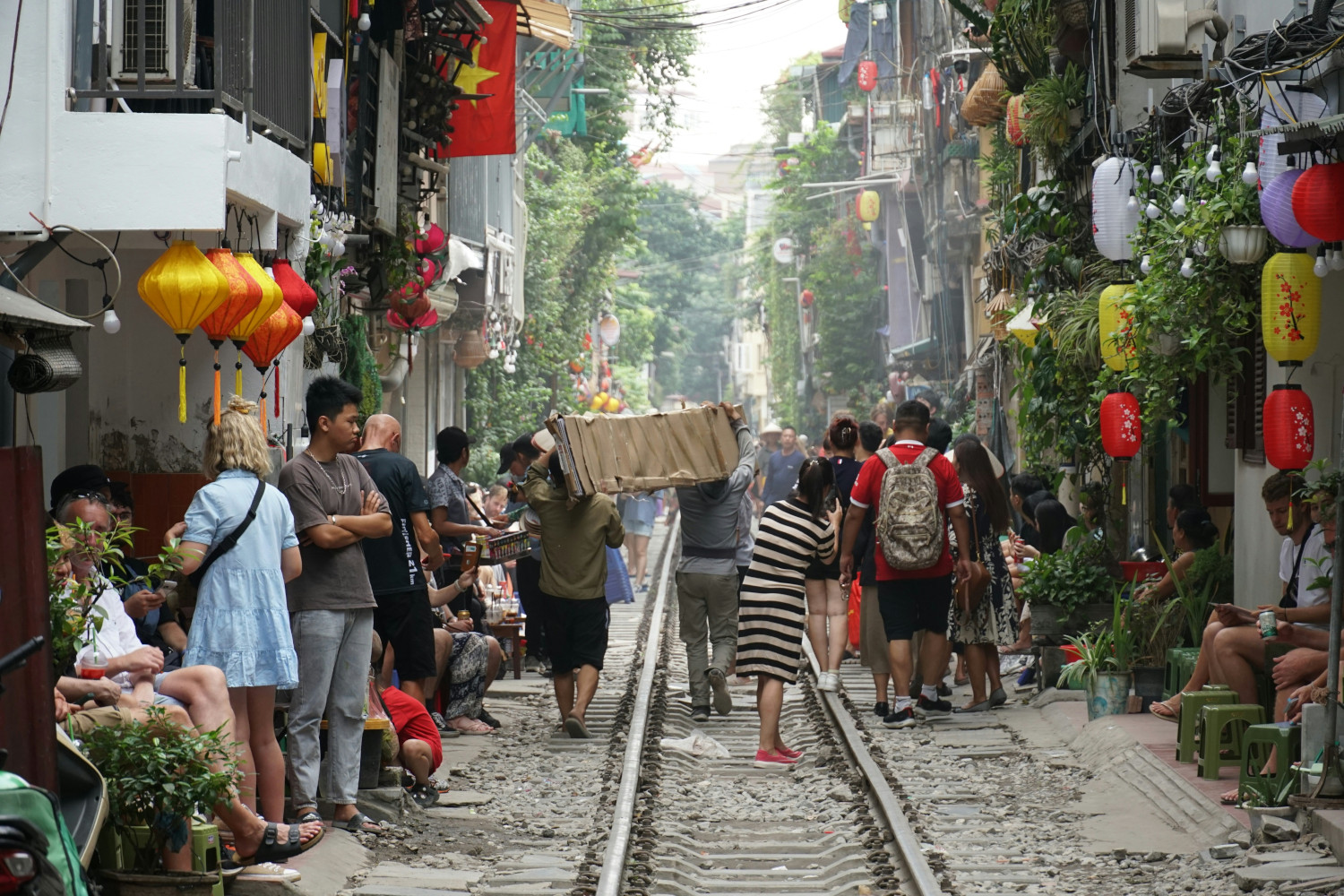
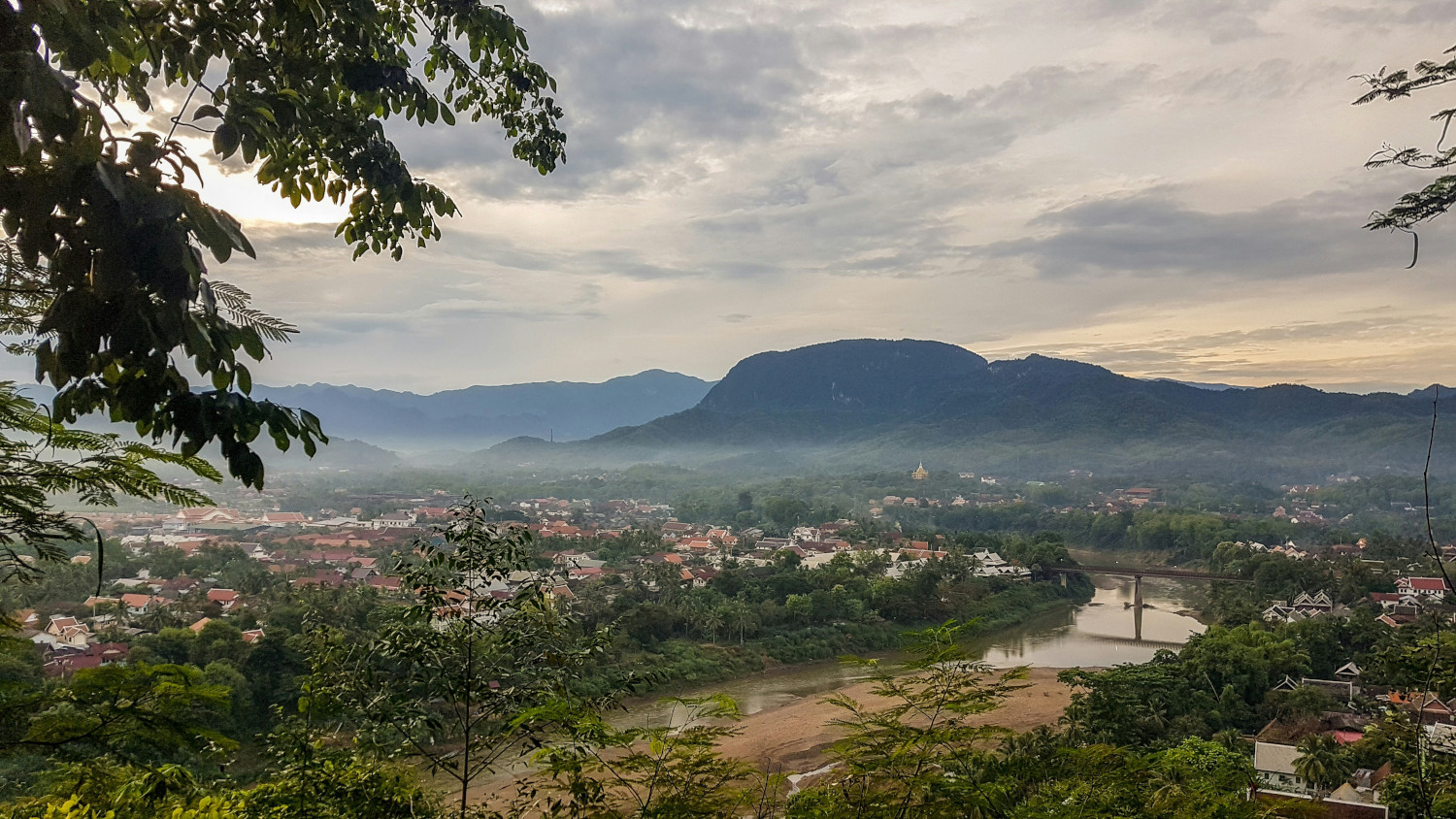
Getting Around
Getting around Asia efficiently is one of the most important planning decisions you’ll make — and the options vary enormously by region.
Domestic & regional flights: Budget airlines make intra-Asia travel cheap if booked early. AirAsia, Scoot, VietJet, IndiGo, and Cebu Pacific cover most routes between $20–80 one-way.
Trains: Japan’s shinkansen (bullet train) network is world-class. China’s high-speed rail is one of the most extensive systems on Earth. India’s rail network is extensive but requires advance booking. Vietnam’s coastal train route is one of the world’s great rail journeys.
Overnight buses & sleeper trains: The backbone of Southeast Asia budget travel. Vietnam, Thailand, and Laos have well-established overnight bus networks that save on accommodation costs.
Ferries & boats: Essential for island-hopping in Thailand, Philippines, Indonesia, and the Maldives. Quality varies widely — research operators before booking.
Tuk-tuks, grab, moto-taxis: The local standard for city transport. Grab (the Asian equivalent of Uber) works across most of Southeast Asia and is the safest option in cities.
Renting a scooter: Common in Bali, Vietnam, and Thailand for travelers comfortable on two wheels. Valid international driving permit required in most countries.
Things to Do
Asia’s activity range is as diverse as its landscapes. A shortlist of the unmissable:
Wildlife & nature: Orangutan spotting in Borneo · Tiger tracking in India’s Ranthambore · Komodo dragon trekking · Whale shark diving in the Philippines · Snow leopard expeditions in Ladakh
History & culture: Angkor Wat (Cambodia) · The Great Wall of China · Taj Mahal (India) · Kyoto’s 1,600 temples · Borobudur (Indonesia) · Bagan’s temple plain (Myanmar)
Adventure: Everest Base Camp trek · Annapurna Circuit · Ha Giang Loop (Vietnam) · White-water rafting in Nepal · Rock climbing in Railay (Thailand) · Volcano hiking in Indonesia
Beaches & islands: Palawan (Philippines) · Koh Lanta (Thailand) · Gili Islands (Indonesia) · Maldives atolls · Andaman Islands (India) · Langkawi (Malaysia)
Food experiences: Tokyo’s ramen alleyways · Bangkok’s floating markets · Penang street food · Osaka’s takoyaki and okonomiyaki · Delhi’s Old City food trail · Hoi An cooking classes
Food & Drink
Asia contains some of the world’s greatest food cultures — and the diversity between regions is staggering.
Southeast Asia is street food paradise. Thai cuisine balances sweet, sour, salty, and spicy with precision. Vietnamese food is herb-forward and fresh. Malaysian food reflects Chinese, Indian, and Malay influences in every dish. Indonesian food is rich, coconut-heavy, and deeply regional.
East Asia is where food becomes art. Japan’s culinary tradition — from sushi to ramen to kaiseki — is one of the world’s most refined. South Korea’s banchan culture (multiple small dishes alongside every meal) is addictive. Chinese cuisine is too vast to summarize: Cantonese dim sum, Sichuan mala hotpot, and Shanghainese soup dumplings are three entirely different worlds.
South Asia is spice, layering, and fermentation. Indian cuisine alone has hundreds of regional traditions. Sri Lankan curries are among the world’s most complex. Nepali dal bhat (lentils and rice) is the fuel that powered every Himalayan trek.
Street food is essential everywhere. Don’t eat all your meals in restaurants — the best food in Asia is almost always at a street stall, a night market, or a family-run spot with plastic chairs and no English menu.
Safety
Asia is overwhelmingly safe for travelers — most of the continent is far safer than Western media coverage suggests. That said, safety varies by country and context.
Generally very safe: Japan, Singapore, South Korea, Taiwan, Hong Kong, Bali (tourist areas), Thailand (tourist corridors), Vietnam, Malaysia
Safe with standard precautions: India (varies by city and region), Cambodia, Laos, Philippines (avoid Mindanao), Indonesia (outside of tourist hubs), Nepal, Sri Lanka
Require extra research: Myanmar (current political situation), parts of Pakistan, border regions in some Central Asian countries
Common sense across all of Asia:
- Use Grab or metered taxis rather than unmarked cabs
- Keep copies of your passport and visa separately from the originals
- Be aware of common tourist scams (gem scams in Bangkok, fake monks, tuk-tuk diversions)
- Respect local dress codes at temples and religious sites
- Don’t photograph military installations or government buildings
- Purchase comprehensive travel insurance before departure — medical costs in Japan and Singapore are high; medical evacuation from remote Nepal can be extremely expensive
Currency
Asia uses a wide range of currencies, with each country having its own — from the Japanese Yen (JPY) and Thai Baht (THB) to the Indonesian Rupiah (IDR) and Indian Rupee (INR). Because of this diversity, managing money while traveling across Asia requires a bit more planning compared to single-currency regions.
Cash vs card: Cash is still king in many parts of Asia, especially in Southeast Asia, South Asia, and smaller towns. Street food, markets, local transport, and smaller hotels often only accept cash. In contrast, places like Japan, South Korea, Singapore, and major cities across the region widely accept credit cards and mobile payments.
ATMs & exchange: ATMs are widely available in cities and tourist areas, though fees can vary by country and bank. Currency exchange counters are common at airports and in major cities, but rates are often better at local exchange shops. Carrying some USD or EUR as backup can be helpful in certain regions.
Tipping culture: Tipping is not universal across Asia. In countries like Japan and South Korea, tipping is not expected and can even be considered rude, while in others like Thailand, Indonesia, and India, small tips are appreciated in tourist areas but not mandatory.
Costs: Asia is generally known for being budget-friendly, especially in Southeast and South Asia, where accommodation, food, and transport can be very affordable. East Asia (Japan, South Korea, Singapore) tends to be more expensive, with prices closer to Western standards.