
20 Best Travel Books That Will Make You Want to Drop Everything and Go
navigate this guide
Disclosure: This post contains Amazon affiliate links. Somewhere Overseas earns a small commission on qualifying purchases at no extra cost to you.
There’s a specific kind of itch that only travel, or a really good travel book, can scratch.
The kind that hits you in the middle of an ordinary Tuesday. You’re sitting somewhere unremarkable, doing something forgettable, and you crack open a book about someone who sold everything and sailed across the Pacific, or hiked a thousand miles alone, or bought a crumbling villa in Tuscany and learned to live again. Suddenly your plans for the evening no longer feel like enough.
That’s what travel books do. They don’t just entertain. They rearrange your priorities.
I’ve been collecting this list for years, borrowing from beaten-up paperbacks on hostel shelves, downloading on overnight buses, and dog-earing pages until the covers fall off. These 20 books span memoir, adventure, philosophy, and pure escapism. Some will make you laugh. Some will wreck you. All of them will make you want to go somewhere.
Whether you’re deep in trip planning or stuck at a desk dreaming about where you’d rather be, start here.
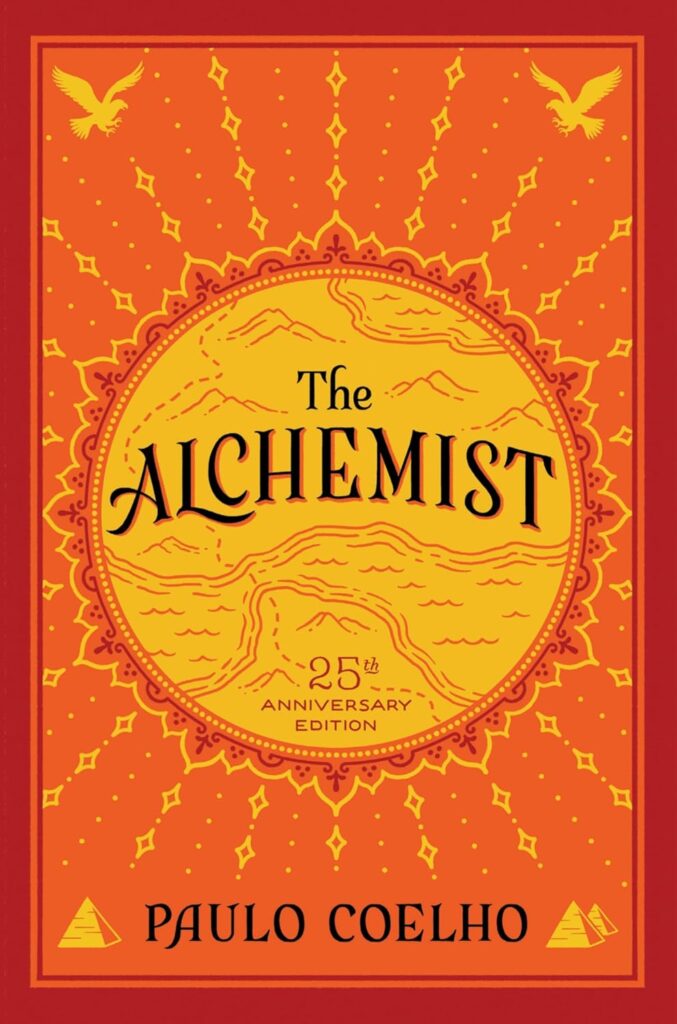
If you’ve spent any time in travel circles, on hostel common room shelves, in backpacker recommendations, on any “books that changed my life” list ever written, you already know this one. And if you haven’t read it yet, that’s your sign.
The Alchemist follows a young Spanish shepherd named Santiago who leaves everything familiar to pursue a dream pulling him toward the Egyptian pyramids. Along the way, Coelho weaves in ideas about fate, listening to your heart, and what the universe does when you actually commit to chasing what you want. It’s short. It’s rich. It’s been read by more than 65 million people in over 80 languages. My favorite line: “When you want something, all the universe conspires in helping you to achieve it.” Whether you believe that or not, the book makes you feel it.
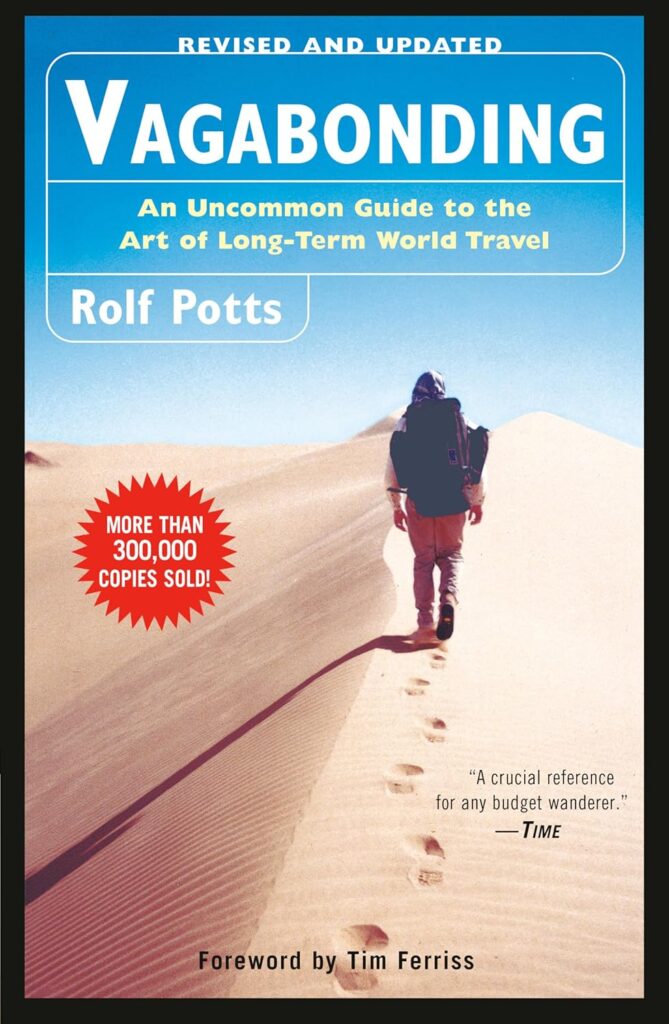
If The Alchemist plants the seed, Vagabonding gives you the shovel.
Rolf Potts spent years on the road, walking across Israel, slow-traveling through Asia, living out of a single bag, and this book is his distillation of everything he learned. It’s not a packing guide or a budget spreadsheet. It’s a philosophy. It argues, convincingly, that long-term travel isn’t reserved for the wealthy or the reckless. It’s available to anyone willing to rethink what they think they need and why. The first time I read it I highlighted something on nearly every page. If you’re stuck in a life that feels too small and you don’t know why, start here.
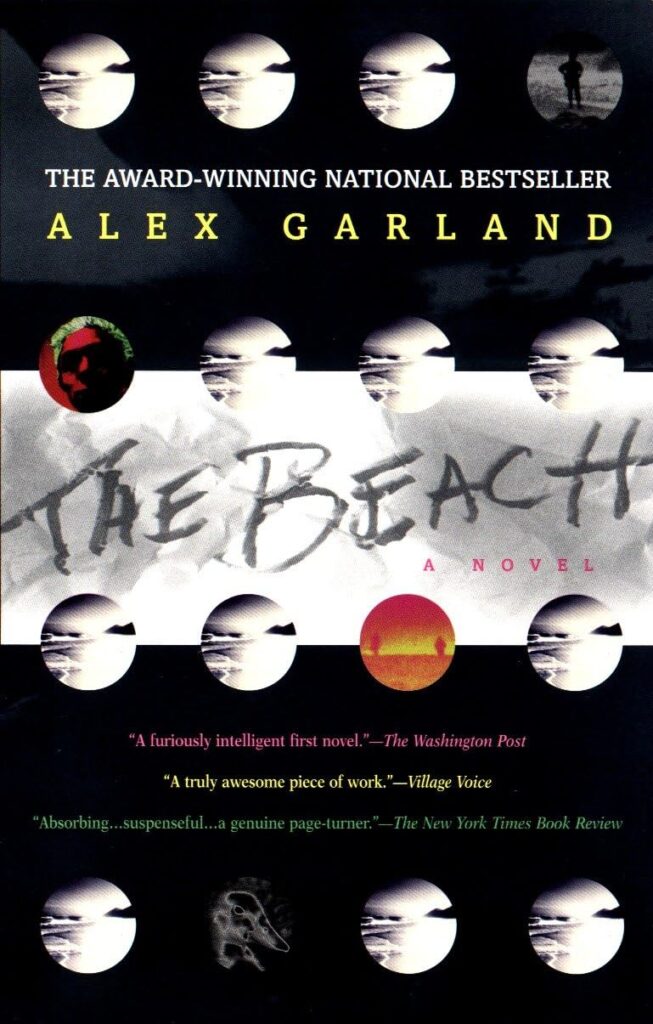
Before it was a Leo DiCaprio film (which is fine) it was this book (which is better).
A young British backpacker named Richard arrives in Bangkok with that particular kind of restlessness, the need to find something rawer, more secret, more real than the Khao San Road crowds. He hears about a hidden beach in the Gulf of Thailand, accessible only if you know where to look, and he goes looking. What he finds is paradise. What paradise does to people is the whole point.
This book captures something true and slightly unsettling about backpacker culture: the paradox of seeking untouched places and destroying them in the seeking. I’ve read it three times and taken something different each time. Still my favorite novel set in Southeast Asia, and it’ll have you researching Thailand the moment you put it down.
4
JAN
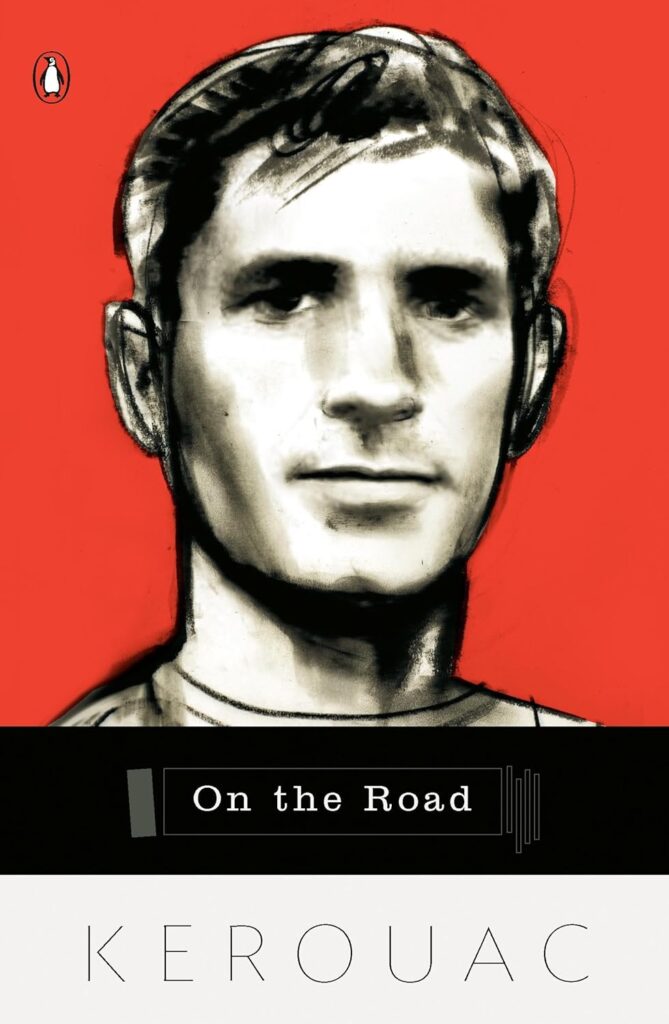
On the Road, by Jack Kerouac
Published in 1957, still relevant, still electric.
Kerouac wrote the original manuscript of On the Road in three weeks on a single continuous roll of paper, fueled by coffee and the frantic need to get it all down before it slipped away. The result is a novel about movement, freedom, and the specific American restlessness of a generation that had survived a war and didn’t quite know what to do with peacetime. His stand-in Sal Paradise criss-crosses the country, hitchhiking and riding trains, pulled by the gravity of his charismatic friend Dean Moriarty.
It’s not a travel guide. It’s a feeling. And that feeling, that pull toward the road, toward motion, toward whatever is over the next horizon, is one most travelers know intimately. Read it the summer you’re about to go somewhere. It’ll accelerate the departure.
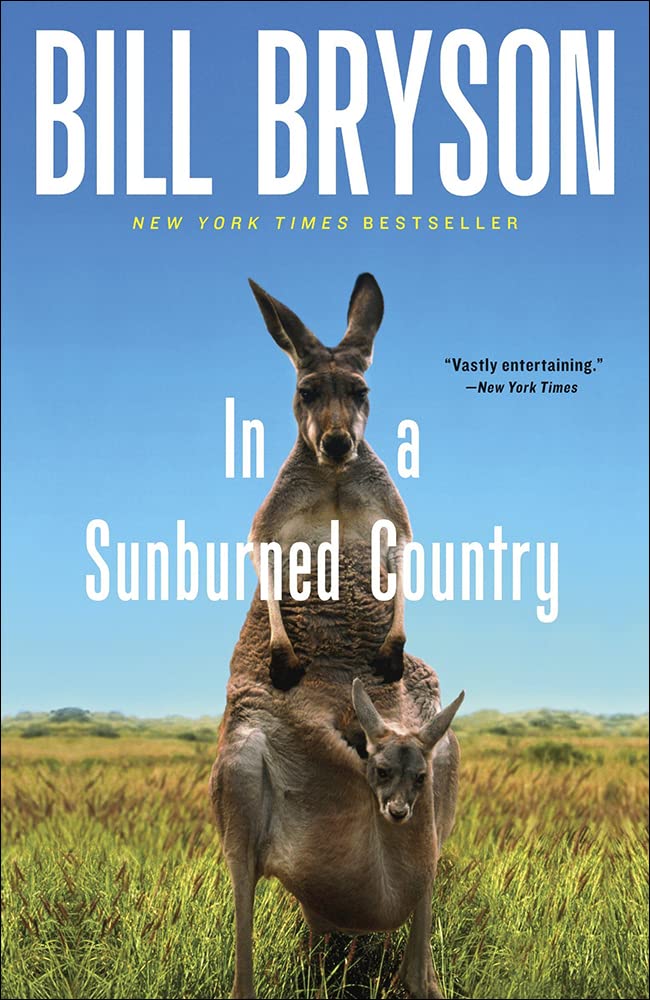
Bill Bryson is the funniest travel writer alive, and In a Sunburned Country is one of his best.
He travels through Australia, a country he argues is extraordinarily overlooked on the global tourism radar, possibly because it is so far from everywhere else, and the result is a book that is simultaneously hilarious, informative, and occasionally terrifying. Bryson is particularly transfixed by the fact that Australia contains a remarkable percentage of the world’s most lethal creatures. He moves from the glittering coastal cities to the strange, ancient silence of the interior, and his observations are sharp enough to read twice.
If you’ve ever been on the fence about visiting Australia, this book will push you firmly off it. It was the reason I started seriously planning a trip there.
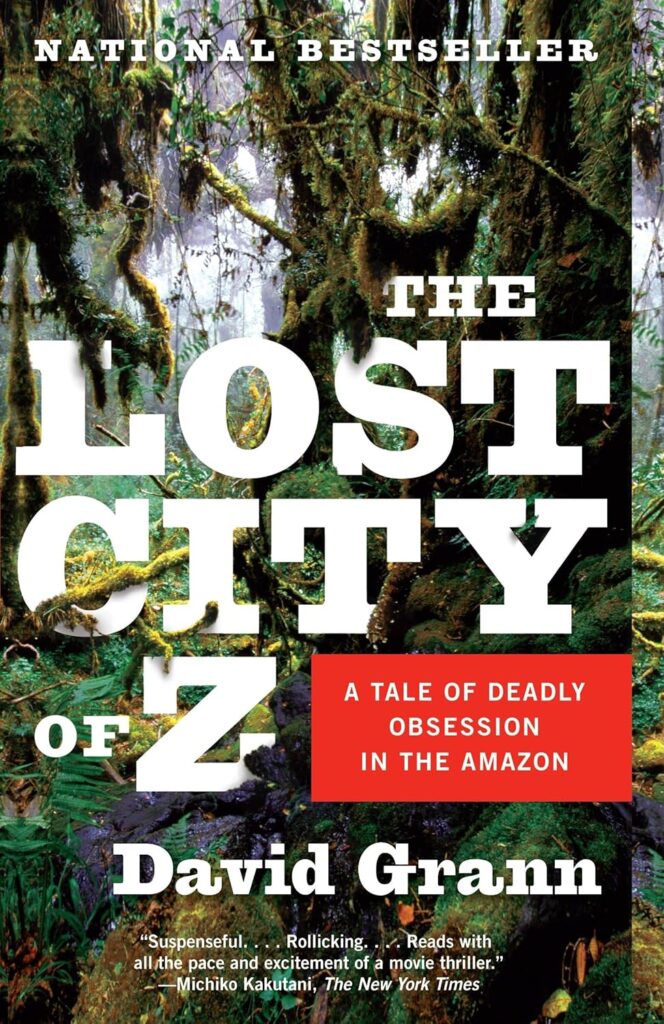
This is the book for anyone who has ever felt the pull of a place so remote it might swallow you whole.
Grann tells the story of Percy Fawcett, a British explorer who disappeared into the Amazon jungle in 1925 while searching for an ancient, highly advanced civilization he called the City of Z. Grann threads Fawcett’s obsessive expeditions through the century that followed, leading up to his own journey into the same jungle to find out what happened. The result blends biography, history, travel narrative, and genuine mystery in a way that reads like a thriller.
It also fundamentally changed how I think about the Amazon and about all the civilizations the jungle may still be hiding. Gripping doesn’t cover it.
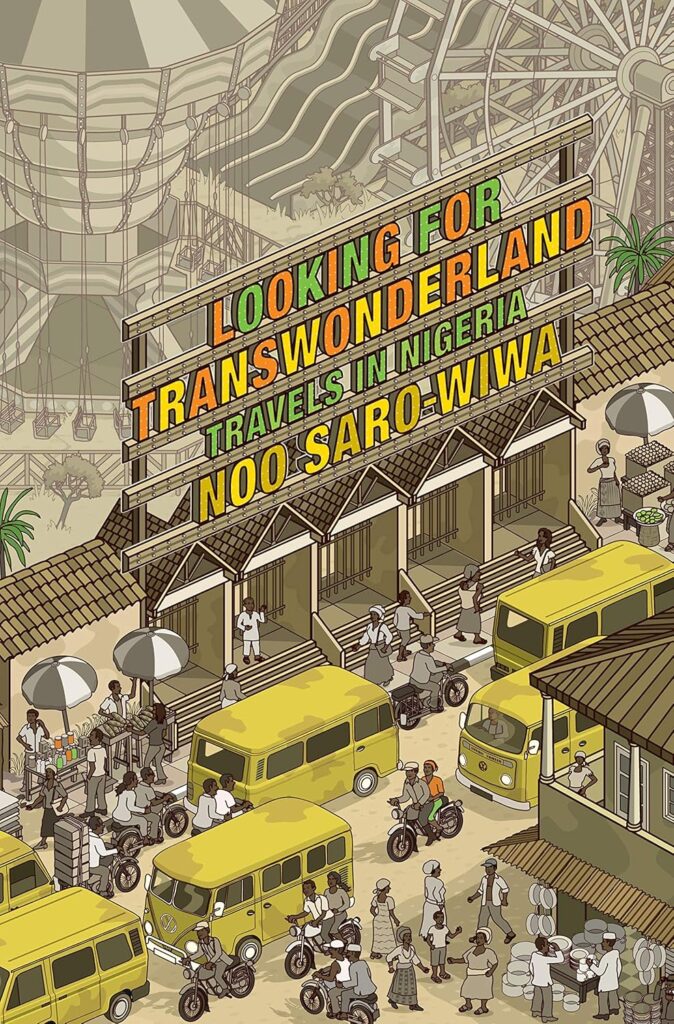
One of the most important travel books I’ve read in the past decade, and also one of the most beautifully written.
Noo Saro-Wiwa, daughter of the late activist Ken Saro-Wiwa who was executed by the Nigerian government in 1995, returns to Nigeria as an adult to truly understand her homeland for the first time. She travels the whole country: the chaotic energy of Lagos, the oil-scarred Niger Delta, the extraordinary diversity of cultures in between. Her perspective is both insider and outsider, and that double lens gives the book a rare honesty.
Nigeria is not a country that appears on most travelers’ radars, and this book makes a compelling case for why it absolutely should be on yours. It also makes an even more compelling case for reading beyond the usual travel destinations. Vivid, sharp, essential.
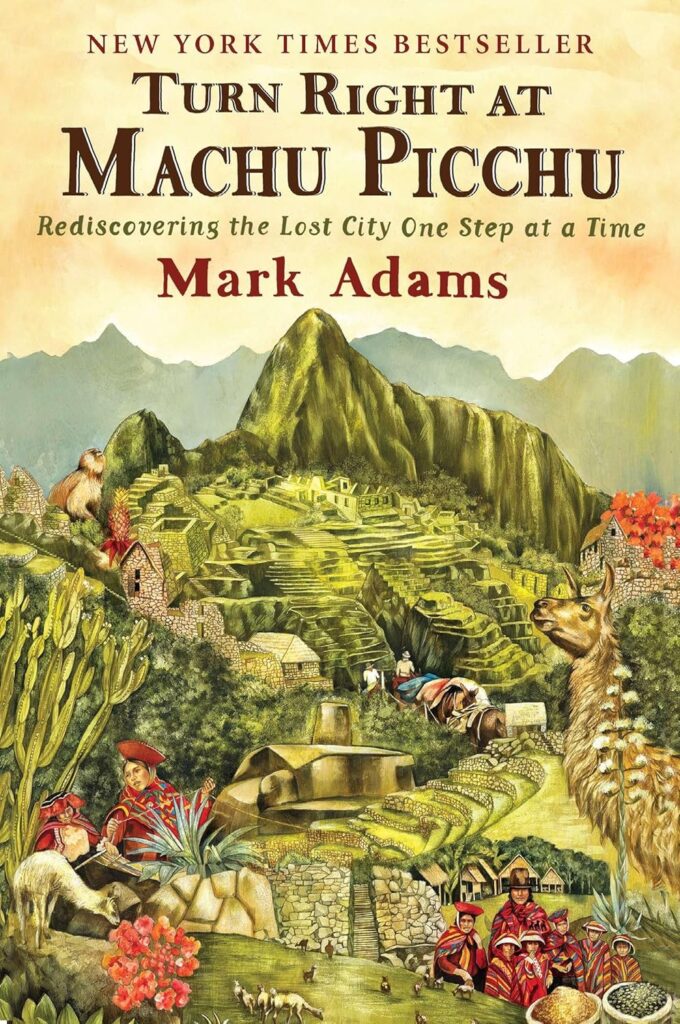
Equal parts adventure and comedy of errors, and entirely wonderful.
Adams is an adventure magazine editor who has spent years writing about extreme outdoor exploits but has never actually done any of them. Inspired by Hiram Bingham’s 1911 journey that brought Machu Picchu to the world’s attention, he decides to retrace the archaeologist’s route through the Andes with minimal outdoor experience. What follows is funny, historically rich, and genuinely breathtaking in the way it weaves the story of the Inca civilization into the story of Adams stumbling through the mountains trying to keep up with his hardened Australian guide.
I came away from this book knowing dramatically more about the Inca Empire than I expected, and with a very clear plan to follow in Adams’s blisters. If you’re planning a Peru trip, read this first.
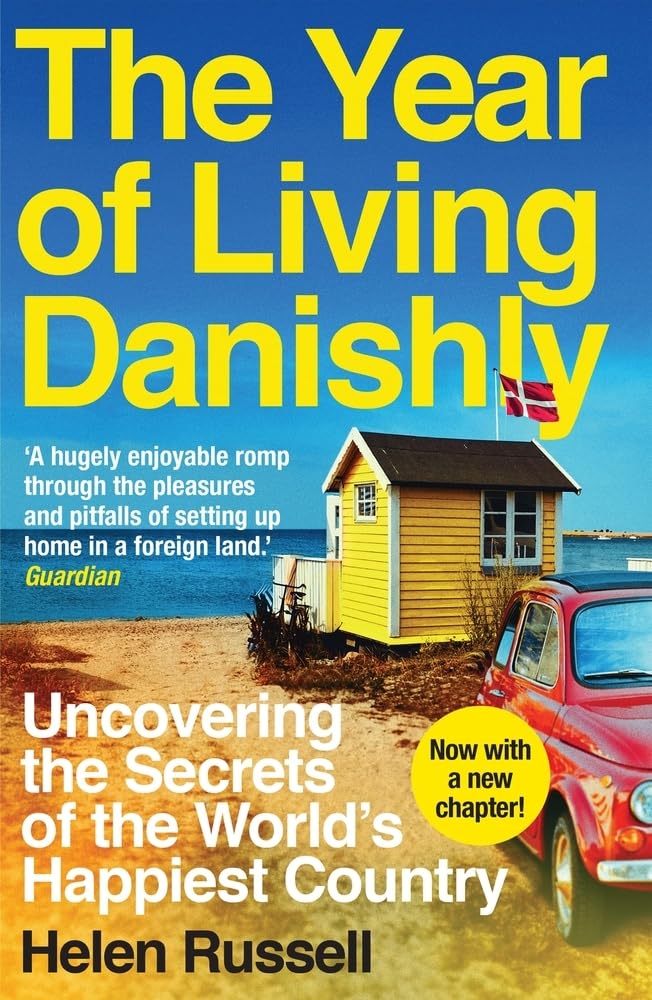
When her husband is offered a job at the LEGO headquarters in rural Jutland, journalist Helen Russell does what any sensible person would do: agrees to move to Denmark for a year and spend twelve months investigating why the Danes are consistently ranked the happiest people on earth.
This is not the kind of travel book where someone hikes a mountain or finds themselves in Bali. It’s more intimate than that. Russell is doing laundry, learning Danish, navigating the concept of hygge, and interrogating every element of Danish culture from their approach to parenting and education to their complicated history with witchcraft. It’s funny and warm and genuinely revealing, and it’ll make you seriously reconsider every major life choice. One of the most fun reads on this entire list.
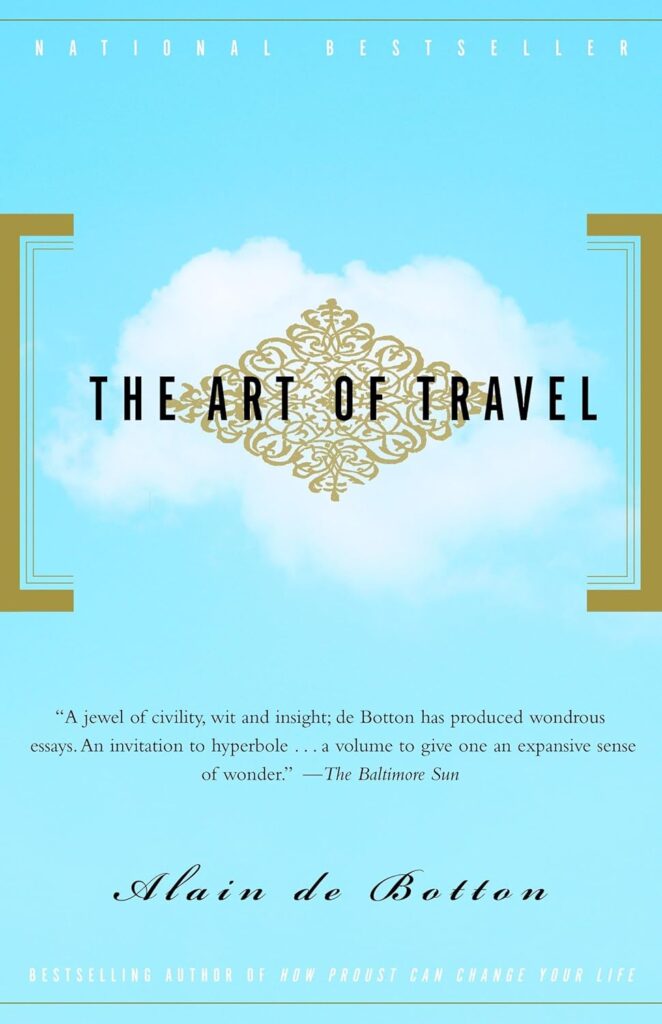
Most travel books are about where someone went. This one is about why any of us go at all.
De Botton is a philosopher who brings that lens to the experience of travel: the anticipation, the arrival, the strange gap between what we imagined and what we find, the way certain places unlock certain feelings, the beauty we overlook when we’re too focused on collecting experiences. He uses everything from Wordsworth to Baudelaire to Van Gogh to think about what it means to truly see a place, and why returning home often feels like a kind of loss.
It’s a slower read than most on this list, more meditative, more cerebral, but if you’ve ever stood in front of something extraordinary and felt oddly hollow, or wondered why you travel when you can barely explain it to someone who asks, this book will give you language for those feelings.
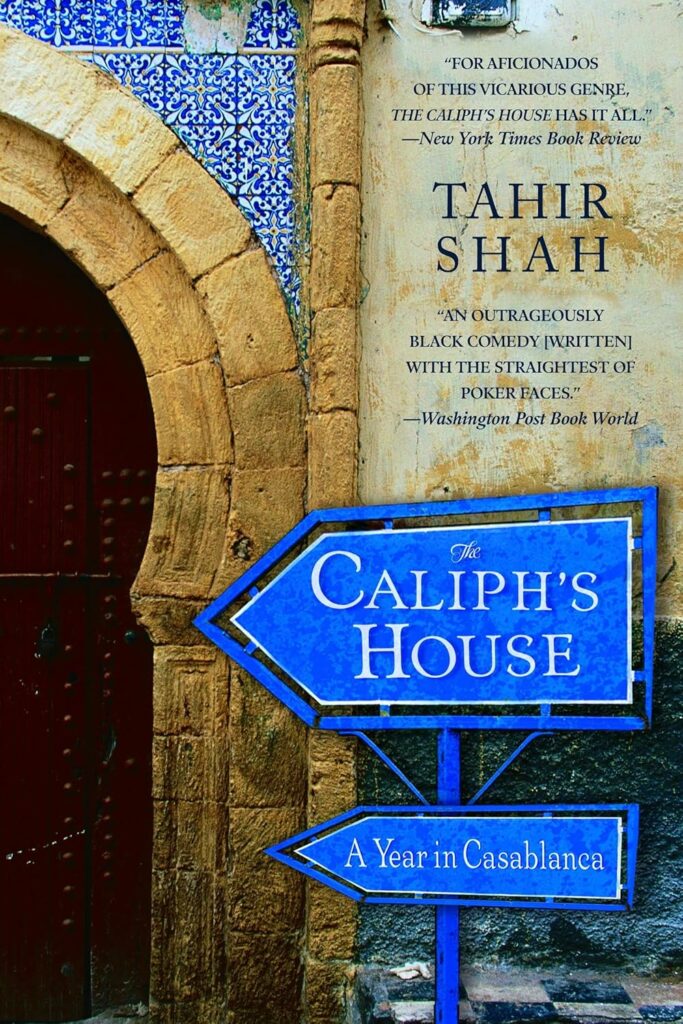
Tahir Shah, writer, adventurer, son of the Sufi storyteller Idries Shah, decides to move his family from London to a crumbling mansion in Casablanca that may or may not be haunted by a colony of spirits called djinn. His contractors believe it is. His guards believe it is. The neighborhood largely believes it is. Shah isn’t sure.
What follows is a year of chaos, bureaucracy, bribery, renovation disasters, cultural collision, and sheer absurdity that somehow adds up to one of the most charming books about living abroad I’ve ever read. Shah writes with enormous warmth and a gift for storytelling that makes even the most maddening episodes hilarious. If Morocco is on your list, and it should be, this book will triple your excitement.
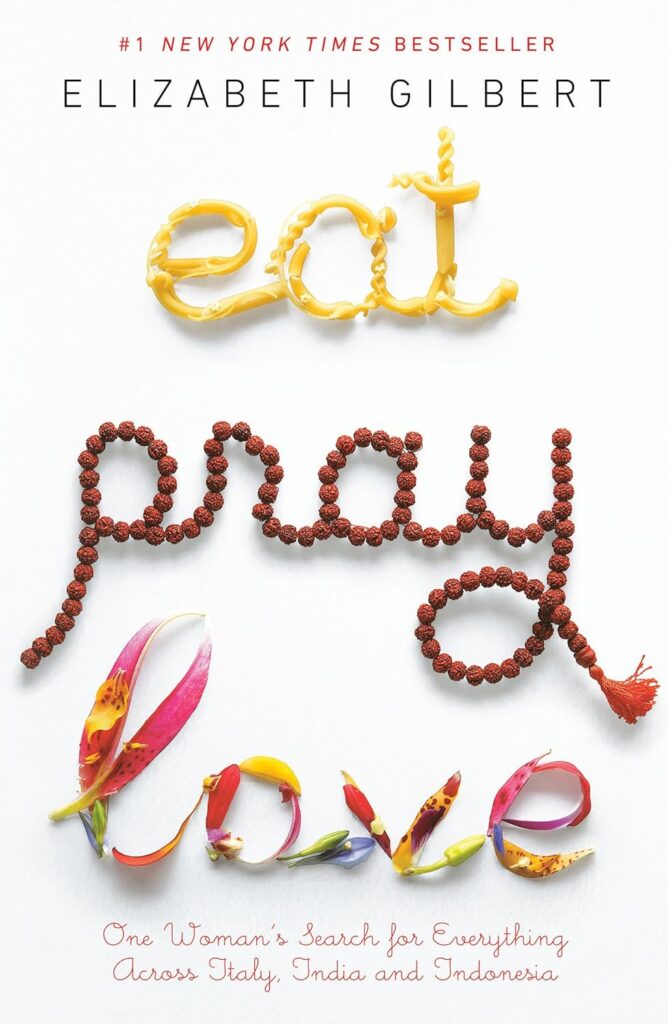
Yes, it’s ubiquitous. Yes, it’s been parodied to death. Read it anyway.
In the aftermath of a painful divorce and a period of depression she couldn’t shake, Elizabeth Gilbert makes a radical decision: she’ll spend a year traveling, four months eating her way through Italy, four months in spiritual study at an ashram in India, four months seeking balance in Bali. The book is warm, funny, and brutally honest about what falling apart actually feels like and what it takes to put yourself back together.
Whether or not you’re going through something, this book captures something true about travel as a tool for transformation. Italy alone is worth the price of the book. You will not finish it without planning at minimum one meal in Rome.
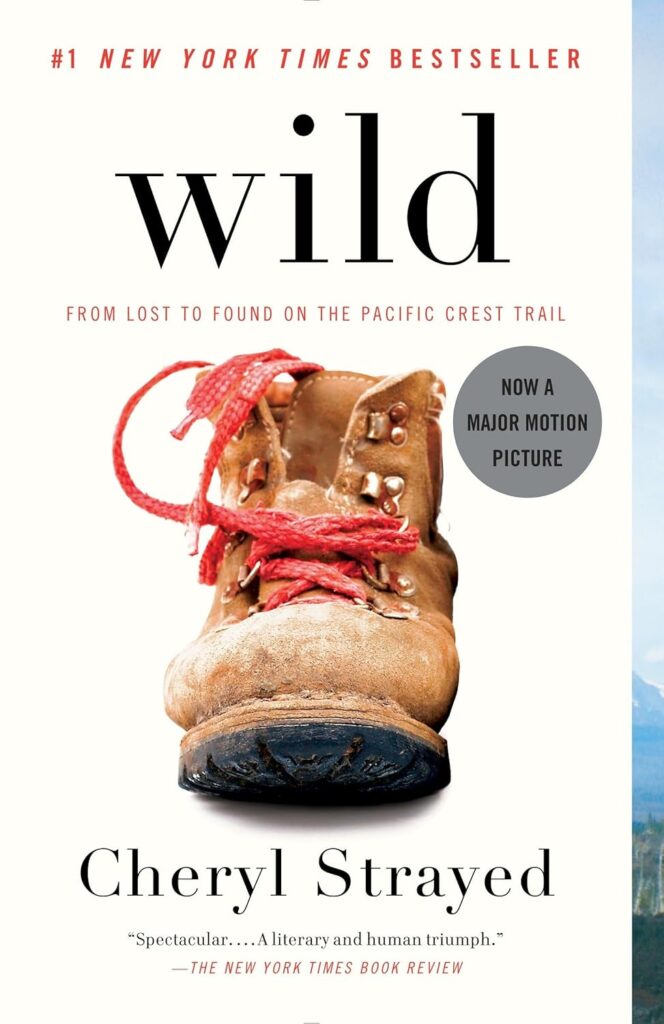
This is not a cheerful book. It is a magnificent one.
After her mother dies and her marriage dissolves, Cheryl Strayed finds herself making a decision she can barely explain: she will hike the Pacific Crest Trail, 1,100 miles through the Mojave Desert and the Cascade Mountains, alone, with no prior hiking experience, carrying a pack so heavy she names it Monster. She has no real plan. She has almost nothing left to lose.
What she finds on the trail is herself, slowly, mile by mile. Strayed’s writing is raw and precise, and the book never goes where you expect. It’s the best modern argument I’ve encountered for the idea that moving through difficult physical space can move you through difficult emotional space at the same time. Every person who has ever needed to walk somewhere and think should read this.
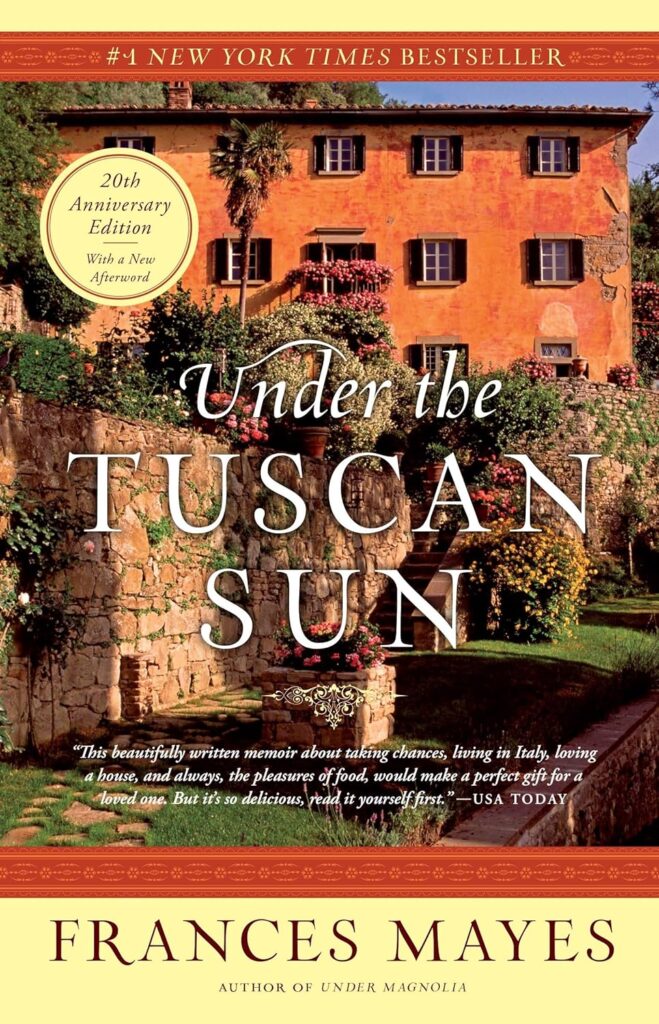
The dream: find a crumbling centuries-old villa in the Italian countryside, buy it impulsively, restore it by hand, and fall so completely in love with the land and the food and the pace of life that you never fully go back.
Frances Mayes did exactly that, and this book is what she made of it. She writes about Tuscany the way a painter works, layering detail and color until you can feel the summer heat on the stone walls and smell the wild herbs on the hillside. There are also recipes. Many, many recipes.
Under the Tuscan Sun is the book that, more than any other, made “move to Italy” a coherent life plan rather than a fantasy. It’s been inspiring people to pack up and go for thirty years. It will probably inspire you too.
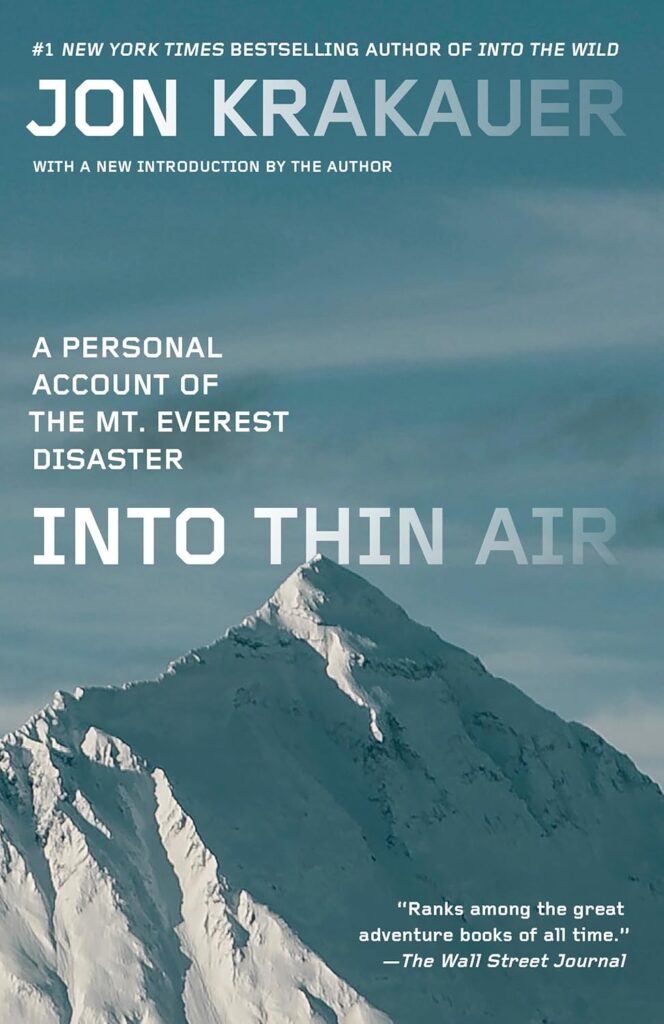
In May 1996, journalist Jon Krakauer was near the summit of Everest when a catastrophic storm hit and eight climbers died. He wrote this book immediately after, while the trauma was still raw and the memory still vivid, and the result is one of the most gripping pieces of narrative nonfiction I have ever read.
You don’t need to have any interest in mountaineering to be completely absorbed by this book. It’s a story about human decision-making under pressure, about the point at which ambition becomes something else, about how thin the margin is between summit and catastrophe at 29,000 feet. It will make you simultaneously desperate to experience high-altitude environments and deeply grateful for low altitudes. I read it in one sitting on a transatlantic flight and arrived with no memory of the flight whatsoever.
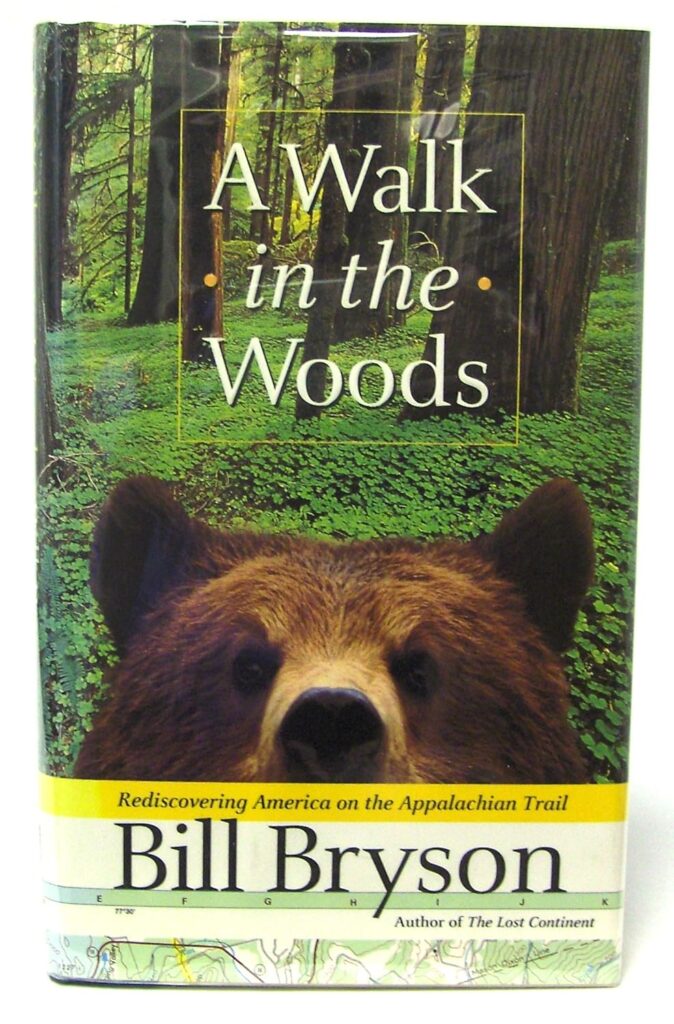
Bryson appears twice on this list because he’s simply that good, and I refuse to apologize for it.
After twenty years living in England, Bryson returns to the US and decides, with characteristic optimism and minimal preparation, to hike the Appalachian Trail, all 2,190 miles of it. He recruits his old friend Katz, who has not hiked in years and arrives at the trailhead in, shall we say, less than peak physical condition. What follows is one of the funniest books about nature and friendship I’ve read, alongside a genuinely fascinating history of the American wilderness and the Appalachian Trail itself.
If you’ve ever thought about long-distance hiking but aren’t quite sure you’re the type, this book is for you. Spoiler: you don’t have to hike the whole thing.
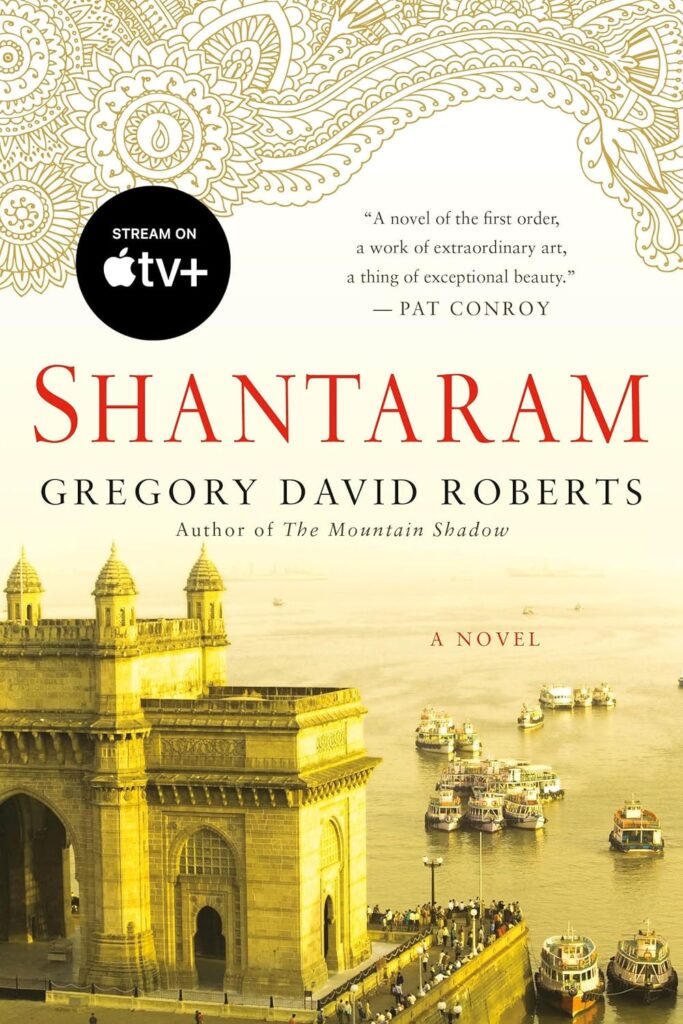
At nearly 1,000 pages, Shantaram is a commitment. Make it.
Based on the extraordinary true story of Gregory David Roberts, an Australian bank robber and heroin addict who escaped from prison and fled to Bombay (now Mumbai), where he lived in a slum, set up a free medical clinic, fell in love, and got tangled up with the city’s criminal underworld, this book is unlike anything else on this list. Mumbai pulses through every page. Roberts writes about the city with a love so consuming it becomes its own kind of obsession.
It’s part thriller, part love story, part philosophical treatise, and entirely one of the most transporting reading experiences you’ll have. I’ve met multiple long-term travelers who say Shantaram was the book that made them book a ticket to India. Consider yourself warned.
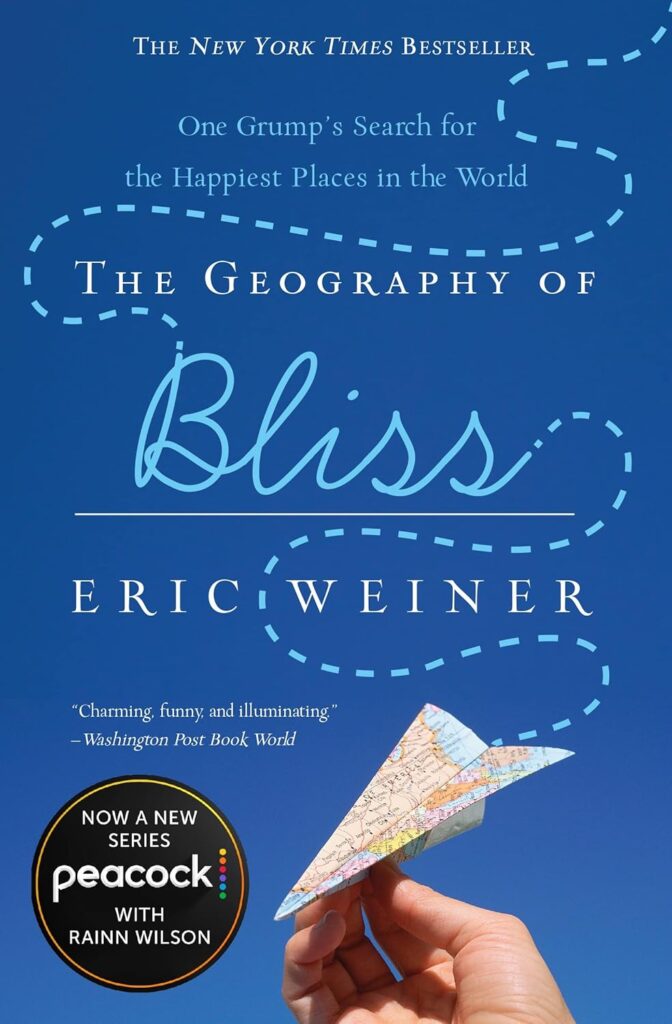
Journalist and self-described grump Eric Weiner spends a year traveling to the happiest countries on earth, and a few of the least happy, in search of what exactly makes people content in certain places and not others. He visits the Netherlands, Bhutan, Qatar, Iceland, Moldova, Thailand, and more, talking to everyone from happiness researchers to monks to cab drivers.
The result is funnier than you’d expect, more philosophical than you’d expect, and genuinely illuminating about how geography, culture, and community shape wellbeing. It also makes for excellent ammunition if you’ve been trying to convince someone (or yourself) that moving abroad isn’t a flight from reality. It might actually be the point.
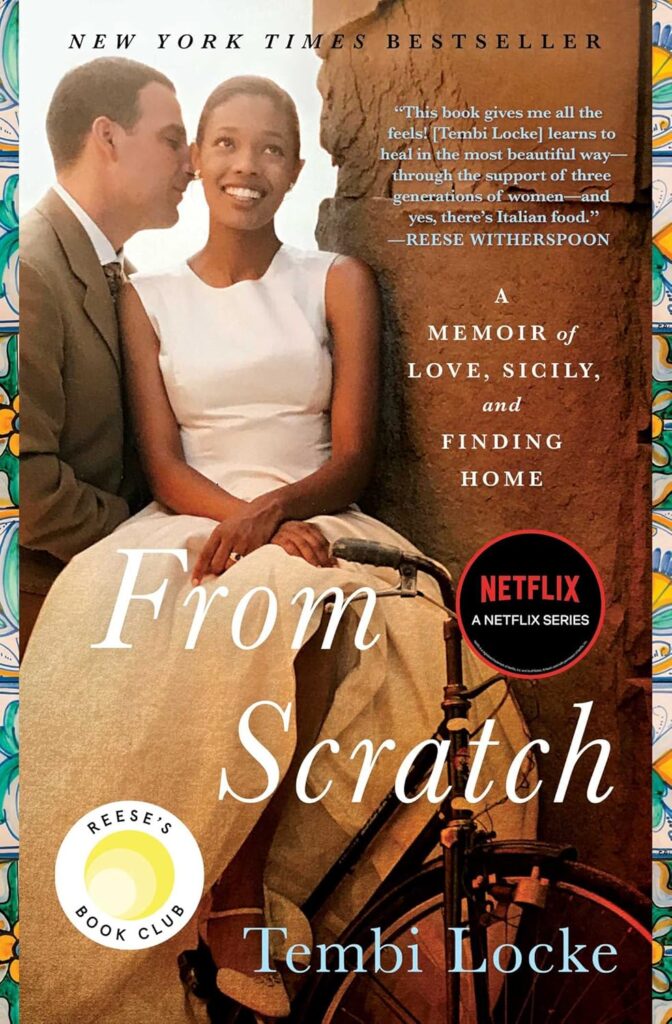
This one is going to make you cry. I want you to go in knowing that.
When Tembi Locke’s husband, a Sicilian chef she met and fell in love with in Florence, dies after a long illness, she returns to Sicily with their daughter to spend three summers with his family. The family she had been estranged from. The island she had largely lost. What she finds there, in the food, in the rituals of mourning, in the slow reclamation of connection, is something she didn’t know she was looking for.
It’s a book about grief and about Italy and about the particular, irreplaceable comfort of feeding people. It was made into a Netflix series, but the book is deeper, quieter, more devastating in the best way. One of the most beautiful things I’ve read in recent years.
Journalist and self-described grump Eric Weiner spends a year traveling to the happiest countries on earth, and a few of the least happy, in search of what exactly makes people content in certain places and not others. He visits the Netherlands, Bhutan, Qatar, Iceland, Moldova, Thailand, and more, talking to everyone from happiness researchers to monks to cab drivers.
The result is funnier than you’d expect, more philosophical than you’d expect, and genuinely illuminating about how geography, culture, and community shape wellbeing. It also makes for excellent ammunition if you’ve been trying to convince someone (or yourself) that moving abroad isn’t a flight from reality. It might actually be the point.
Final Thoughts
This is the list I come back to when I need reminding why I travel, or when I’m between trips and the itch gets unbearable.
The best travel books do something more than entertain. They expand your sense of what’s possible. They make unfamiliar places feel necessary. They hand you a life you haven’t lived yet and let you try it on for a few hundred pages.
Keep one in your bag. Dog-ear the pages. Leave it on a hostel shelf when you’re done.
Have a travel book that wrecked you in the best way? Drop it in the comments. I’m always adding to the pile.
Ready to Start Planning?
Planning your trip from scratch? Start with our step-by-step guide: How to Plan an International Trip Step-by-Step
Need to nail your budget before you book anything? How to Create a Realistic Travel Budget