
How to Pack Only a Carry-On: The Complete Guide to Never Checking a Bag Again
navigate this guide
Quick note: Some links in this post are affiliate links, meaning I earn a small commission if you buy through them — at no extra cost to you. I only recommend gear I'd genuinely pack myself.
You’ve stood at the baggage carousel. Waited twenty minutes. Watched everyone else walk away while your bag takes its sweet time. Maybe it arrived damaged. Maybe it didn’t arrive at all. Maybe you paid $75 for the privilege.
Carry-on only travel fixes all of that. No fees. No waiting. No chasing down an airline’s lost baggage desk in a foreign airport while your hotel room check-in window slips past.
The thing most people get wrong: they think carry-on only means packing less. It doesn’t. It means packing smarter. This guide covers everything — the rules, the bag, the clothes, the tech, the toiletries, the mindset — so you can travel for two weeks, or two months, out of a single carry-on and wonder why you ever checked a bag at all.
1
JAN
Why Carry-On Only Changes Everything
Every traveler has a turning point. The bag that arrived on day three of a five-day trip. The broken wheel. The $120 round-trip baggage fee that felt like a punch to the stomach. The hour lost at baggage claim when you could have been at the hotel, showering, actually starting your trip.
Carry-on only travel isn’t minimalism for its own sake — it’s efficiency with a purpose. Here’s what it actually buys you:
Freedom of Movement
You can change flights, take a last-minute connection, or hop a regional carrier without panicking about your checked bag. If a flight is cancelled, you rebook and walk to the gate. No waiting, no bureaucracy.
Money
Checked bag fees on budget airlines run $30–$75 each way. On a round trip, that’s $60–$150 per person per trip. Do that four times a year and you’ve spent $600 on the privilege of waiting. That’s a flight.
Security
our bag is with you. Always. On the overhead rack, in your field of vision, under your control. No one is rummaging through it. No one is losing it. No one is routing it to Lisbon when you’re going to Lisbon.
Speed
Land, deplane, walk out. No carousel. No 20-minute wait. No collecting trolleys. You’re in a cab or on the metro while everyone else is still staring at the conveyor belt.
The only real trade-off is thoughtfulness at the packing stage. Which, honestly, you should be doing anyway.
2
JAN
Know the Rules Before You Pack: Airline Size & Weight Limits
This is where most carry-on disasters start. People buy a bag marketed as “airline approved” without realizing that approval varies significantly by carrier.
The Standard US Domestic Rule
Most major US airlines accept bags up to 22 x 14 x 9 inches (56 x 36 x 23 cm) including wheels and handles. Weight limits are rarely enforced on domestic US routes — the practical limit is whether you can lift it yourself into the overhead bin.
Exceptions: Budget carriers like Frontier and Spirit restrict free items to personal-item size — approximately 18 x 14 x 8 inches. In 2026, airlines are enforcing these limits at the gate with automated sizers, and gate-check fees range from $60 to $100.
International Flights
International is where carry-on rules get strict and expensive if you’re unprepared.
The safe carry-on size for most international flights is 21.5 x 15.5 x 9 inches (55 x 40 x 23 cm) with a weight of under 17.6 lbs (8 kg). This fits within the overhead bin limits of virtually every major European, Asian, and Middle Eastern carrier.
International airlines weigh bags at the gate, and enforcement is strict in 2026. Weight limits typically range from 7 kg (15.4 lbs) to 12 kg (26.5 lbs) in economy.
Smart travelers know that airlines don’t count certain items against your baggage allowance: jackets and coats, umbrellas, duty-free purchases made after security, assistive devices, and food for infants. This means you can wear a bulky jacket through security and board holding airport purchases without sacrificing your personal item slot.
Airline Carry-On Size Quick Reference
Airline | Carry-On Size | Weight Limit |
|---|---|---|
Delta | 22 x 14 x 9 in | None (domestic) |
American Airlines | 22 x 14 x 9 in | None (domestic) |
United | 22 x 14 x 9 in | None (domestic) |
Southwest | 24 x 16 x 10 in | None |
Spirit / Frontier | ~18 x 14 x 8 in (personal item only free) | None |
Ryanair | 21.6 x 15.7 x 7.8 in | 10 kg |
EasyJet | 22 x 17.7 x 9.8 in | None for cabin bag |
Lufthansa | 21.6 x 15.7 x 9 in | 17.6 lbs / 8 kg |
Emirates | 22 x 15 x 8 in | 15.4 lbs / 7 kg |
Singapore Airlines | 17.7 x 13.7 x 7.8 in | 15.4 lbs / 7 kg |
Golden rule for international travel: Keep your carry-on under 21.5 x 15.5 x 9 inches and under 7–8 kg (15–17.6 lbs) to pass on virtually any carrier worldwide. Check your specific airline before every trip at SeatGuru or Upgraded Points’ carry-on size chart.
3
JAN
The Right Bag: Carry-On Suitcases vs. Travel Backpacks
The carry-on size is fixed. What changes is the format and this matters more than most people realize.
Option A: The Carry-On Suitcase (Hard or Soft Shell)
Best for: City trips, business travel, 1–2 week vacations, anyone who doesn’t want to carry weight on their back.
Away built its reputation on this bag and it still earns it. The 360-degree spinner wheels glide on airport floors and cobblestones. The interior compression system presses clothes flat. There’s a TSA-approved lock built into the zipper. The hard shell polycarbonate exterior resists dents and scratches. It comes with a lifetime warranty. Size sits at 21.7 x 13.7 x 9 inches — compliant with virtually all major carriers.

Looks like a $200 bag. Costs a fraction of it. The Coolife has spinner wheels, a TSA-approved lock, a hard ABS+PC shell, and an expandable design, all at a price point that’s hard to argue with. It’s not going to last a decade of hard travel, but it’s excellent for occasional or budget-conscious travelers.

The bag flight attendants carry. Soft-sided, ultralight, and with wheels that have survived more terminal floors than most. The 21-inch version fits major airline carry-on slots and comes in significantly under weight limits which matters when you’re flying internationally. If you check bags frequently and want a bag that holds up for years, this is where to invest.

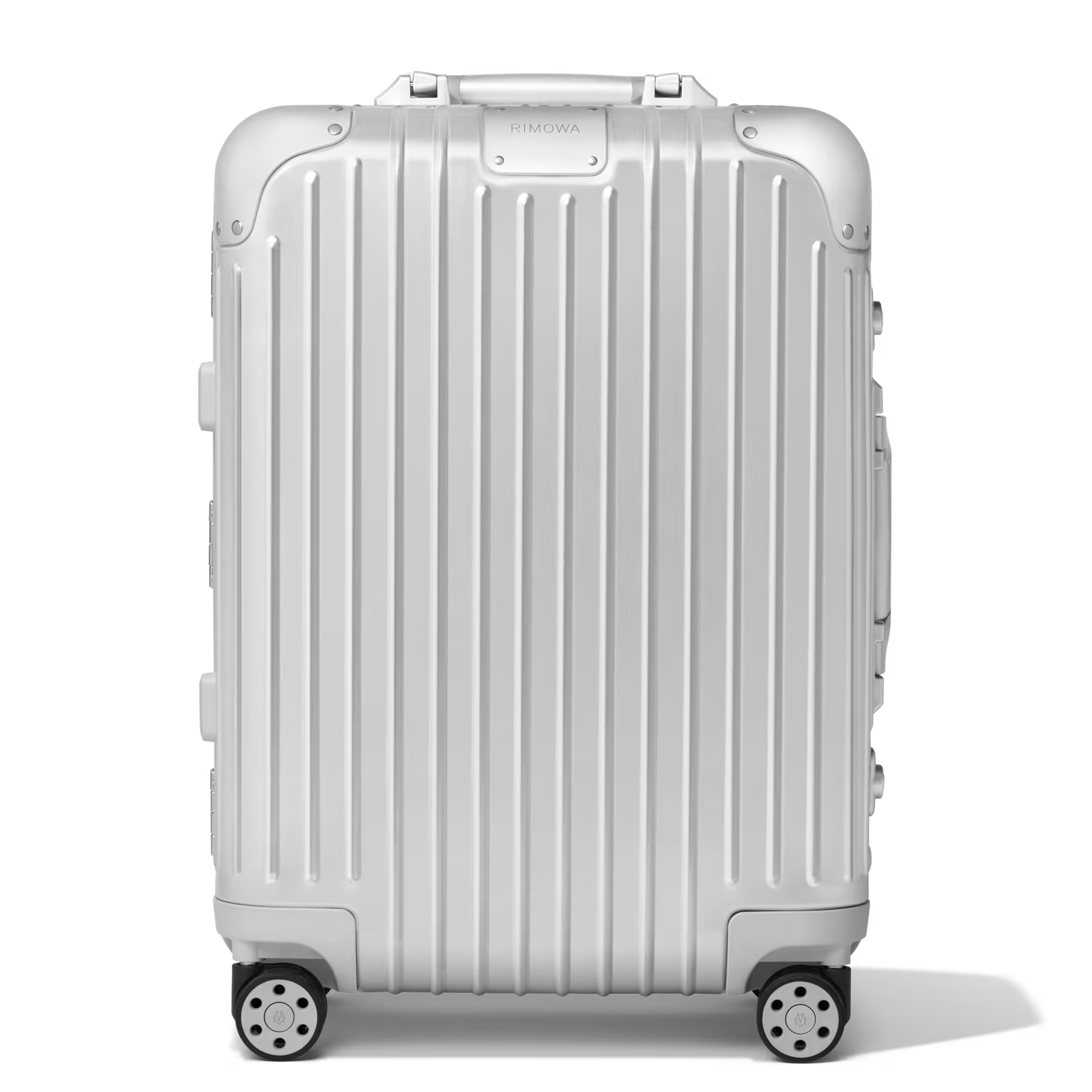
Yes, it’s expensive. Yes, it’s worth it if you travel constantly. The Rimowa polycarbonate shell is engineered to survive decades, the multi-wheel system is impossibly smooth, and the flex-divider system inside keeps clothes immaculate. The TSA-approved combination lock is built in. It’s the last carry-on you’ll ever buy.
Option B: The Travel Backpack (Carry-On Size)
Best for: Long-term travel, backpackers, people connecting through multiple hubs, anyone who uses public transport or navigates cobblestones and stairs.
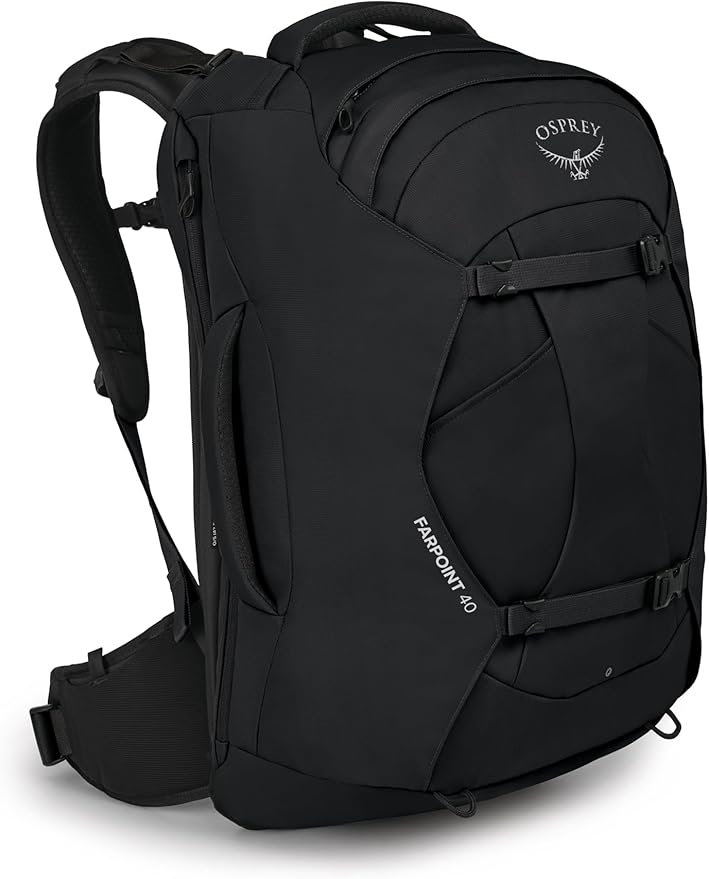
The consensus best travel backpack for a reason. Clamshell opening. Hip belt. Lockable front zip. Suspended mesh back panel. Harness that tucks away behind a panel for baggage handling. Fits most international carry-on limits at 40L. Stays comfortable with up to 20 lbs of gear.

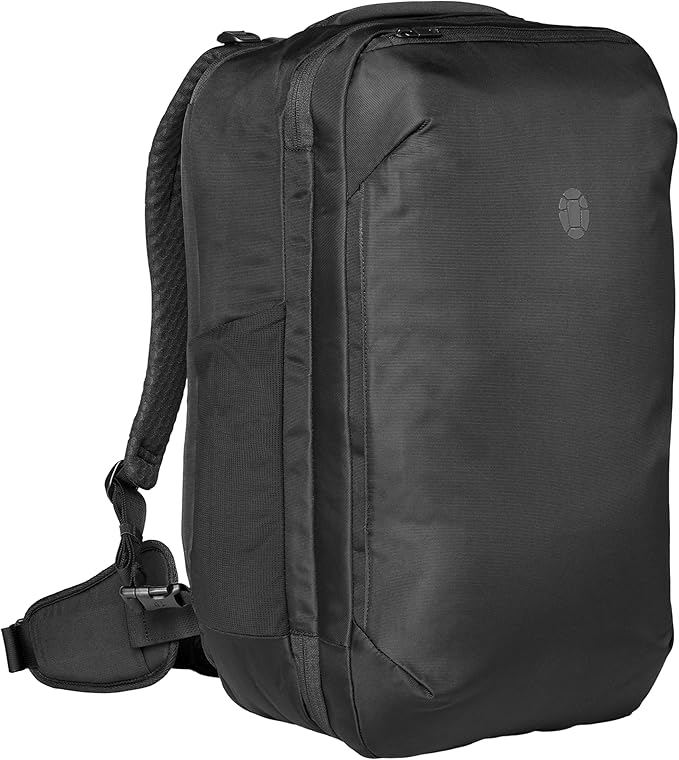
Tortuga built its reputation around “one-bag travel,” and the Lite version strips things down to the essentials while keeping the core design philosophy intact. It opens fully clamshell-style like a suitcase, which makes packing far easier than a top-load backpack. No dangling straps, no snag points, and a clean profile that doesn’t scream “backpacker.”
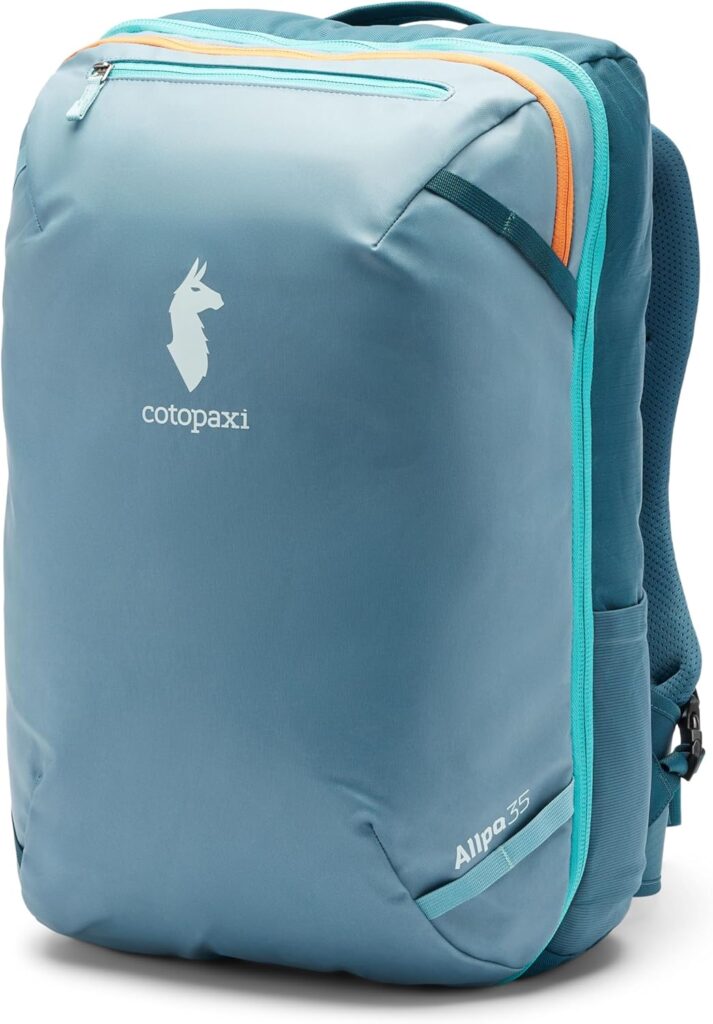
Cotopaxi’s Allpa has quietly become one of the most respected carry-on backpacks in the mid-range space. Clamshell opening, lockable zippers, padded laptop sleeve, and a hip belt — all at a price well below the premium options. Available in a range of colors (they use repurposed fabrics, so each batch is slightly different).
Bonus: Cotopaxi is a certified B Corp with strong sustainability credentials.
Built specifically for people traveling with tech. Dedicated laptop and tablet sleeves, a magnetic water bottle pocket that opens and closes one-handed, RFID-protected pocket for cards and passport, and a structured exterior that keeps its shape whether full or half-empty. If you’re moving between coworking spaces, airports, and cafés, this is your bag.
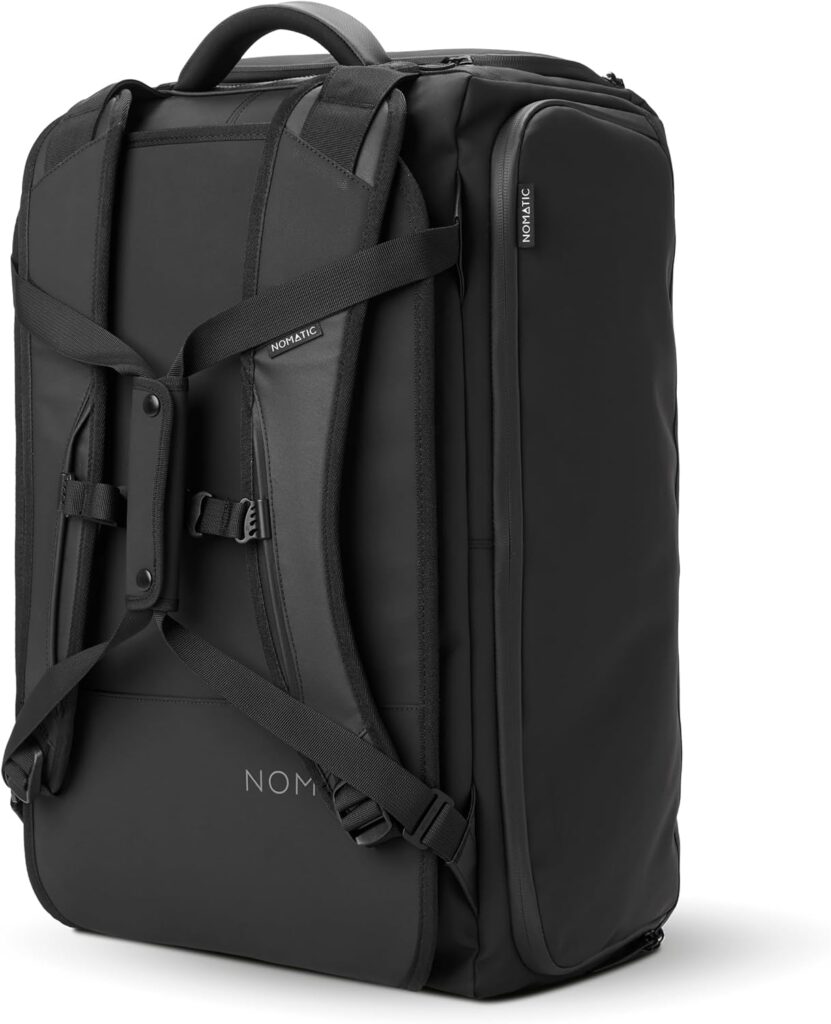
Suitcase vs. Backpack: Which One Is Right for You?
Carry-On Suitcase | Travel Backpack | |
|---|---|---|
Best trip type | City, resort, business | Multi-destination, hostels, adventure |
Airport experience | Wheels on flat floors — easy | Carry anywhere, stairs & cobblestones — better |
Organization | Lay flat, easy access | Depends on design |
Weight distribution | In your hand/wrist | Across your back & hips |
Overhead bin | Spins in easily | Fits, but may require lifting |
Storage flexibility | Limited outside airports | Goes anywhere |
4
JAN
Your Personal Item: Making the Second Bag Count
Most airlines allow one carry-on bag (overhead bin) plus one personal item (under the seat in front of you). Most airlines cap personal items around 17–18 x 13–14 x 8 inches. This is valuable real estate, don’t waste it on a tiny purse.
The personal item slot is where experienced carry-on travelers store their most-used items and their overflow.
Best Personal Item Bags
If you want to go as light as possible without sacrificing function, the Osprey Daylite 13L is hard to beat. It packs down small when empty, making it ideal for travelers who want a day bag that doesn’t eat into precious space in their main pack. Bonus: it clips directly onto compatible Osprey travel packs, so you can roll through the airport as one unit and detach when you’re ready to explore.

At $40, the Eddie Bauer Stowaway is the budget pick that actually delivers. It’s made from ripstop polyester so it holds up better than you’d expect at this price point, and the whole thing packs down into itself when empty, which makes it a great bring-along for trips where you know you’ll need an extra bag but don’t want to commit to carrying one the whole time. It won’t wow you with organization features, but if you need a lightweight, durable, no-fuss backup bag that fits under an airline seat, this gets the job done for less than a dinner out.

5
JAN
The Master Packing Method: How to Actually Fit Everything
The biggest barrier to carry-on only travel isn’t the rules — it’s technique. Most people pack the same way they pack a checked bag, then wonder why nothing fits.
Step 1: The Lay-Out Test
Before anything goes in the bag, lay every item out flat on your bed. Everything. Then before you pack a single thing, remove 20% of what’s there. You don’t need it. You’ll buy it there if you do.
Step 2: Choose Your System
There are three main methods. Use whichever works for your brain:
The Rolling Method
Roll clothing tightly into cylinders. Best for casual clothes like t-shirts, shorts, and jeans. Reduces wrinkles and uses space efficiently.
The Bundle Method
Wrap clothes around a core object (usually a packing cube or toiletry bag) in concentric layers. Virtually eliminates wrinkles. Slightly harder to access mid-trip.
The Packing Cube System (recommended)
Organize by category into cubes. Compress. Stack. Most travelers find this the most practical method because it keeps things organized over a multi-week trip, not just at departure.
Step 3: Layer Your Bag Correctly
For suitcases:
- Bottom: shoes (sole side down, stuffed with socks)
- Middle: packing cubes with clothes
- Top: toiletry bag, tech pouch, flat documents
For backpacks:
- Bottom: shoes + anything heavy (keeps center of gravity low)
- Middle: packing cubes
- Back panel pocket: laptop
- Top: frequently accessed items (documents, snacks, headphones)
Step 4: Use Every Inch
- Stuff socks inside shoes. Every pair of shoes is wasted space until you stuff things inside them.
- Use the gaps. Chargers, cords, and small items fill the voids between cubes.
- Wear your heaviest items. Put your heaviest shoes, thickest jacket, and densest layer on your body for the flight.
Step 5: Weigh Before You Go
This is non-negotiable for international travel. A portable luggage scale takes up no space and can save you from a $60+ gate check fee.


6
JAN
Packing Cubes & Organization Systems
Packing cubes are the single biggest upgrade to carry-on travel that most people still haven’t made. They turn the inside of your bag from chaos into a filing cabinet.
How Packing Cubes Work
Each cube holds a category of clothing. Tops in one. Bottoms in another. Underwear and socks in a third. When you arrive at your accommodation, you pull out the cube you need instead of tipping your entire bag onto the bed.
The compression versions have a second zip that flattens the cube further — genuinely useful for bulky items.
Best Packing Cubes
Eagle Creek is the benchmark brand. The Reveal series is water-resistant, ultralight, has angled zipper pulls for easy access, and comes with a lifetime “No Matter What” warranty. The XS/S/M set covers almost every packing need.

Mesh top for visibility, double zippers, machine washable. Does the job at a price that makes you laugh. Great starting point if you’ve never used packing cubes.

7
JAN
The Clothing Formula: What to Pack, What to Leave Behind
The golden rule of carry-on packing is the 5-4-3-2-1 Formula — enough for a week, launderable for longer.
The 5-4-3-2-1 Formula
- 5 pairs of underwear
- 4 pairs of socks
- 3 tops
- 2 bottoms
- 1 layer (jacket, fleece, or cardigan)
This works for a week comfortably. For two weeks, add 2 more tops and rotate with laundry. For a month, same formula — use laundromats or sink-wash once a week.
The Best Fabrics for Carry-On Travel
Merino wool is the undisputed champion of travel fabric. It’s temperature-regulating (warm when cool, cool when warm), naturally odor-resistant (you can rewear it several days without washing), and wrinkles fall out when hung overnight. One merino t-shirt and one merino long-sleeve covers your base layer needs for any climate.
Best merino brands: Icebreaker | Smartwool | Uniqlo Merino
What to avoid in a carry-on:
- Denim (heavy, slow to dry, takes up enormous space)
- Heavy knits (same problem)
- Anything that wrinkles badly and can’t be shaken out
- Multiple “just in case” items you know you won’t use
Carry-On Clothing List: Warm Destination
Item | Quantity | Notes |
|---|---|---|
Lightweight t-shirts | 3 | Merino or synthetic |
Long-sleeve top | 1 | Merino — doubles as warmth layer |
Shorts | 1 | Quick-dry, doubles as swim |
Versatile trousers | 1 | Wrinkle-resistant, smart-casual |
Packable down jacket | 1 | For A/C, flights, cool evenings |
Underwear | 5 | Merino or ExOfficio |
Socks | 4 pr | Merino wool (Darn Tough or Smartwool) |
Swimwear | 1 | Doubles as athletic shorts |
Carry-On Clothing List: Warm Destination
Item | Quantity | Notes |
|---|---|---|
Merino base layer top | 2 | One lightweight, one midweight |
Merino base layer bottom | 1 | |
Mid layer fleece | 1 | Patagonia Better Sweater compresses well |
Waterproof shell jacket | 1 | Wear on plane, covers the layer system |
Dark trousers | 1 | Versatile for city + restaurant |
Jeans (optional) | 1 | Only if cold climate requires it |
Thermal socks | 3 pr | |
Underwear | 5 |
Pro tip: Wear everything bulky on the plane. Heavy boots, your thickest jacket, your warmest layer. This frees up enormous bag space and airlines can’t charge you for what’s on your body.
8
JAN
Shoes: The Hardest Part of Carry-On Packing
Shoes are the heaviest, bulkiest item in any bag, and the hardest to rationalize. The rule is firm: two pairs maximum. Most trips can be done with one and a pair of sandals.
The Two-Shoe System
Pair 1: The do-everything shoe
This needs to work for walking 20,000 steps, look presentable for a nice restaurant, and be comfortable enough to wear all day.
- Allbirds Tree Runners (~$130) — lightweight, machine washable, shockingly versatile
- On Cloud 6 (~$140) — excellent cushioning, looks clean with everything
- HOKA Clifton 9 (~$145) — best for high-step-count days
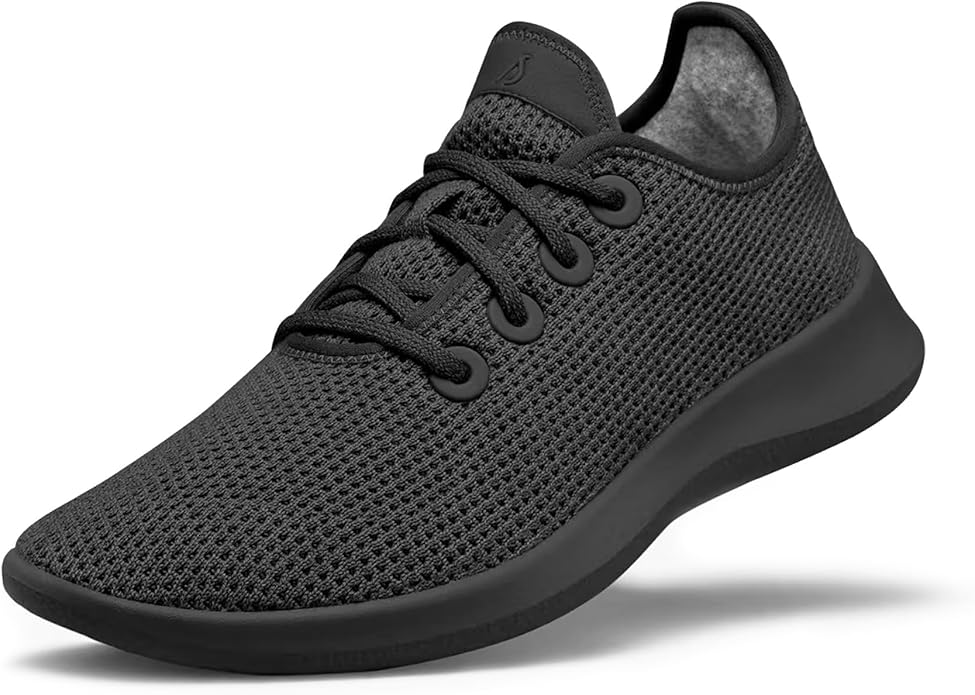
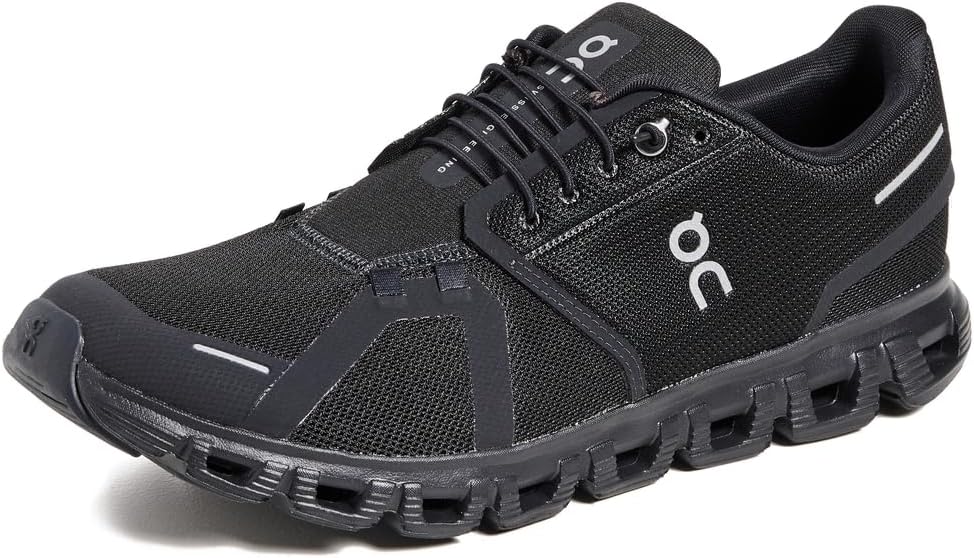
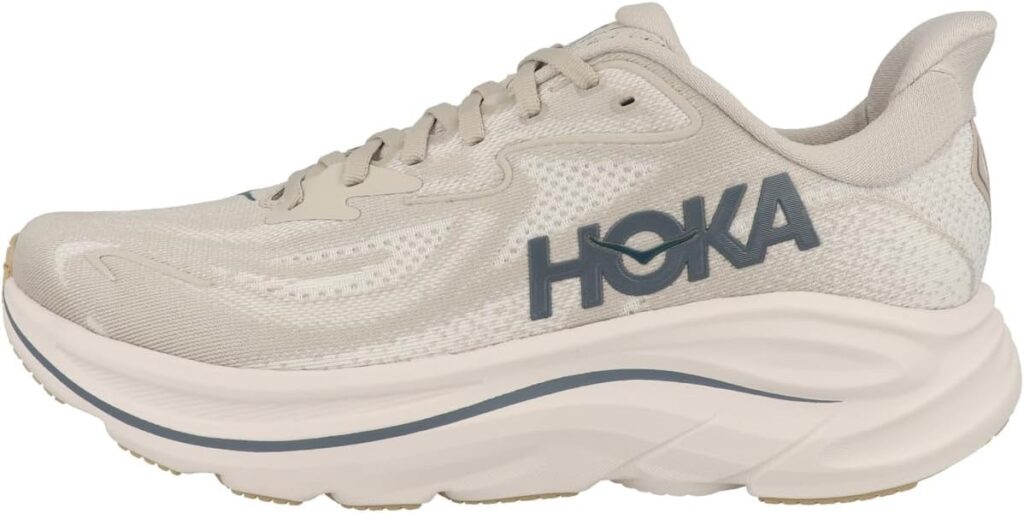
Pair 2: The sandal/secondary shoe
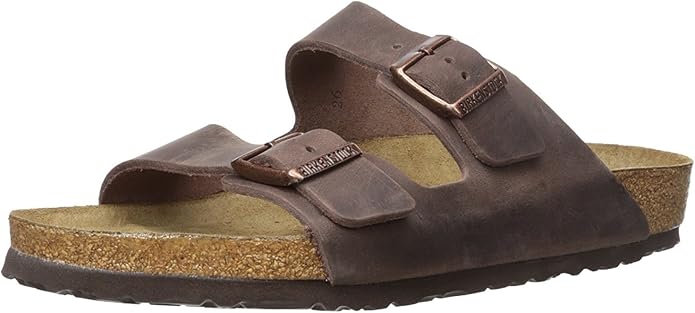
- Birkenstock Arizona (~$110) — comfortable, supportive, lasts years
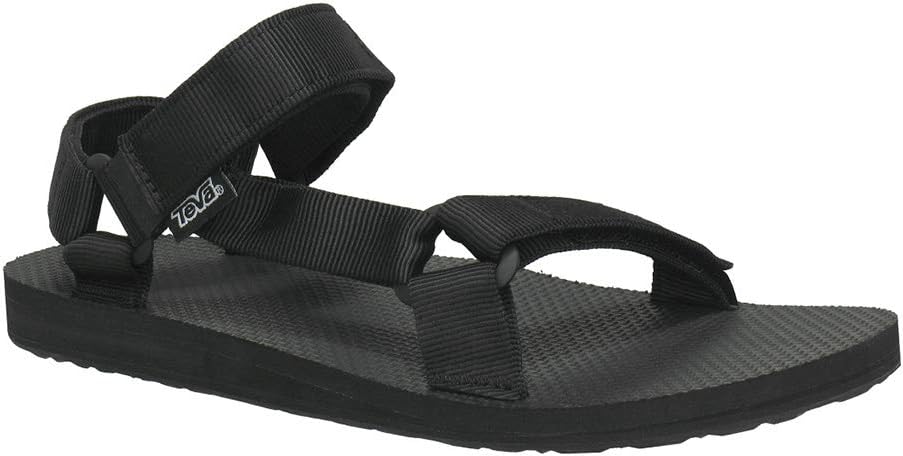
- Teva Original Universal (~$60) — waterproof, grippy, handles beach and light hiking
- Simple flip flops for hostel showers and beach days (~$10–15)
What to do with shoes in the bag:
- Place them sole-down at the bottom of your carry-on
- Stuff socks and small items inside each shoe
- Use a shoe bag or a shower cap around each sole to keep dirt off your clothes
When You Need to Pack Boots
Boots are the exception that breaks the two-shoe rule — they simply won’t fit inside a 40L bag alongside a week of gear. Solution: wear them. On a cold-destination trip, boots go on your feet for the flight, freeing up bag space entirely.
9
JAN
Toiletries: The 3-1-1 Rule & How to Work Around It
The TSA 3-1-1 Rule
For any flight departing from a US airport: each liquid, gel, or aerosol must be 3.4 oz (100ml) or less, all containers must fit in a single 1-quart (1-liter) clear plastic bag, and one bag per passenger. The bag goes in the bin separately at security.
International airports generally enforce the same 100ml rule.
What counts as a liquid: water, shampoo, conditioner, lotion, sunscreen, foundation, toothpaste, contact lens solution, lip gloss. Basically, anything that’s not solid.
What doesn’t count: solid toiletries (solid shampoo bars, deodorant sticks, solid sunscreen), powder makeup, most dry goods.
How to Maximize Your Toiletry Situation
Strategy 1: Go travel-size
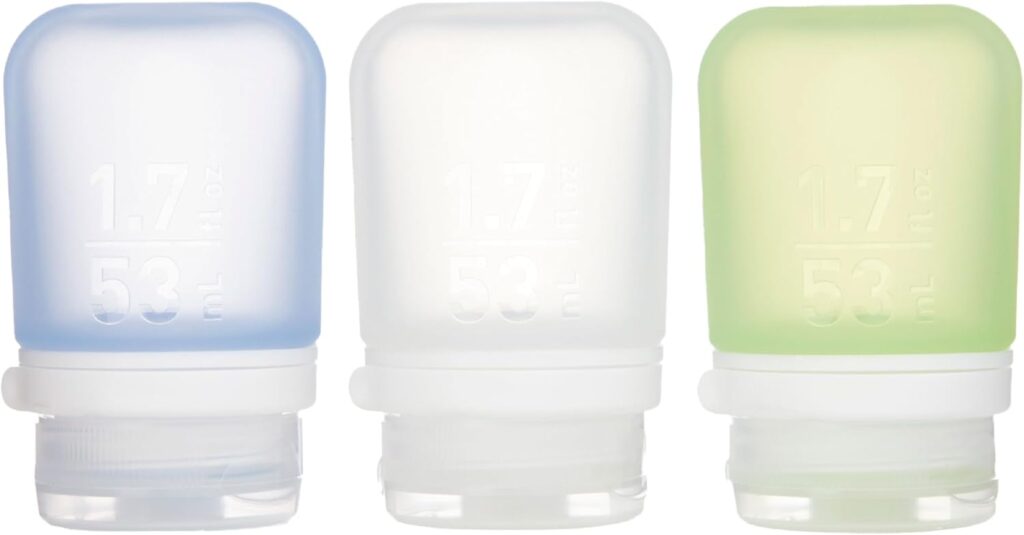
Decant your products into reusable travel bottles. The Cadence Capsule System is the premium option — magnetic capsules that stack and hold 9ml each, airport compliant. GoToob+ bottles on Amazon are the practical standard.

Strategy 2: Go solid
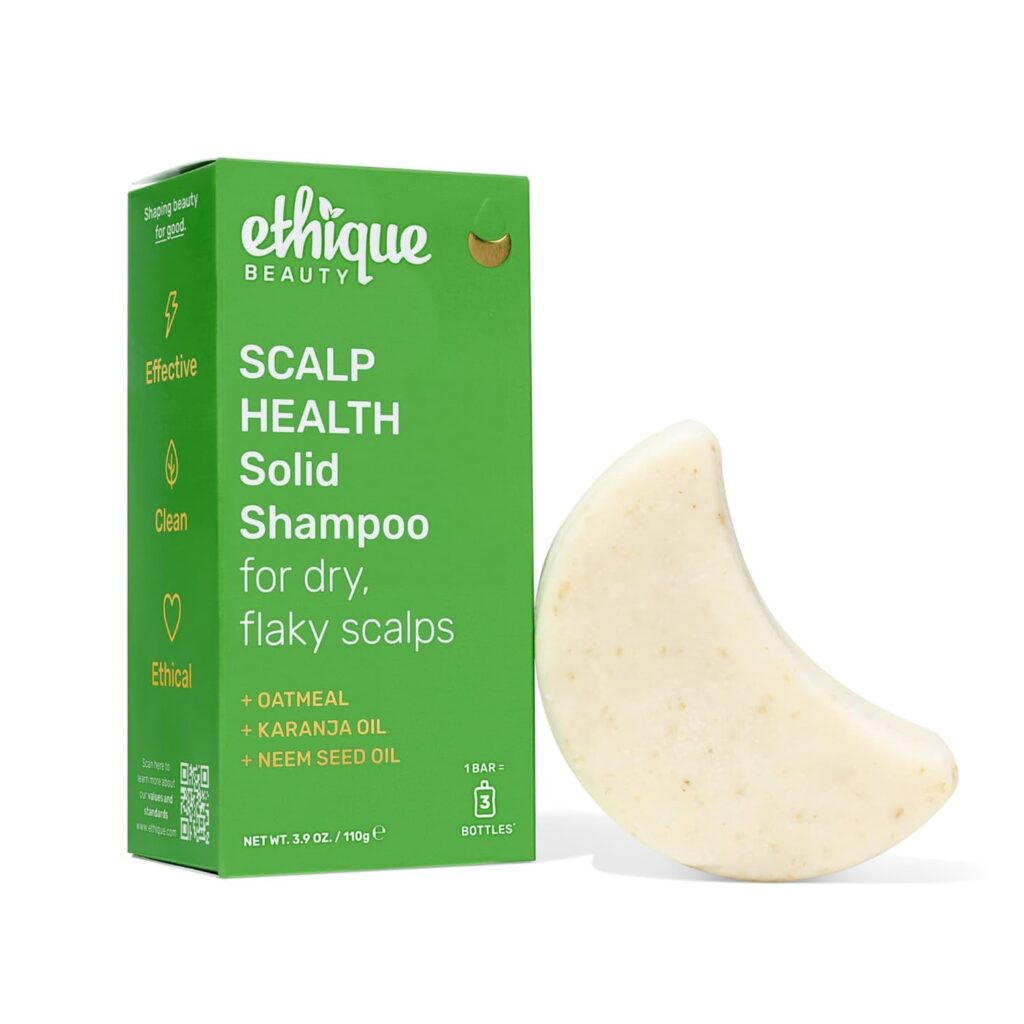
Solid shampoo and conditioner bars don’t count toward your liquid limit. Ethique and HiBar make excellent solid haircare. Lush Cosmetics has solid facial cleansers, moisturizers, and more. These also produce zero plastic waste.

Strategy 3: Buy toiletries at your destination
For trips longer than a week, this is almost always the better approach. Shampoo, conditioner, body wash, and sunscreen are available everywhere. Buy them on arrival, use them up, leave them behind.
The Toiletry Bag
Best Toiletry Bag
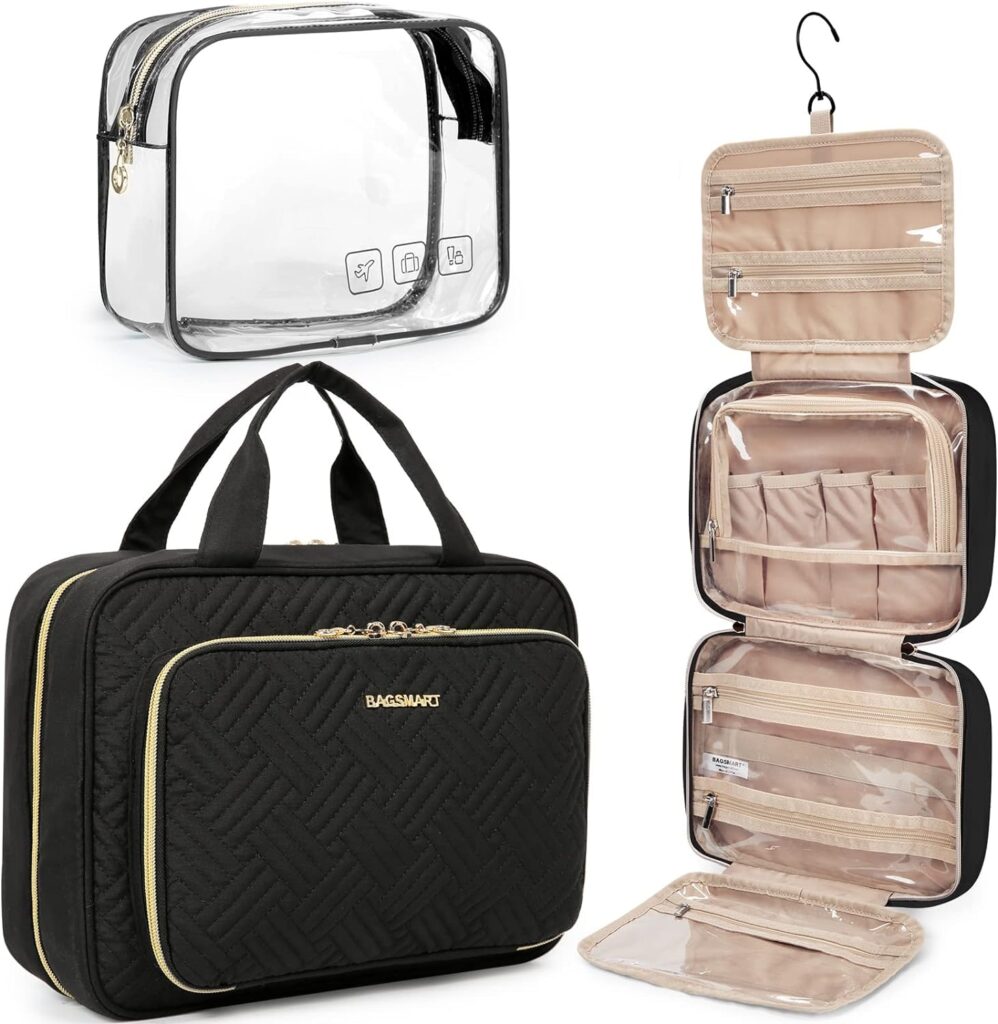
The BAGSMART Hanging Toiletry Bag is an Amazon best-seller with nearly 60,000 reviews. Designed with multiple zippered compartments, elastic straps to secure bottles, and a clear, water-resistant layout, it keeps your essentials organized and easy to find without digging. The stow-away 360-degree metal hook lets you hang it in any bathroom. Game-changing in bathrooms with no counter space.
Carry-On Toiletry Checklist (TSA-Compliant)
In your 1-quart bag (100ml max each):
- Toothpaste (travel size)
- Face wash or micellar water
- Moisturizer / SPF moisturizer
- Contact lens solution (if needed)
- Liquid foundation or concealer
- Any other liquid/gel cosmetics
Outside the bag (solid or doesn't count):
- Solid shampoo bar
- Solid conditioner bar
- Deodorant stick (solid)
- Solid sunscreen or SPF stick
- Bamboo toothbrush
- Razor + spare blades
- Dry shampoo (powder — doesn't count as liquid)
- Makeup that isn't liquid
Medications
- Keep prescription medications in original labeled containers
- Bring a letter from your doctor for controlled substances when traveling internationally
- Pack in your personal item, not your carry-on, for easiest access at security
10
JAN
Tech & Electronics for Carry-On Travel
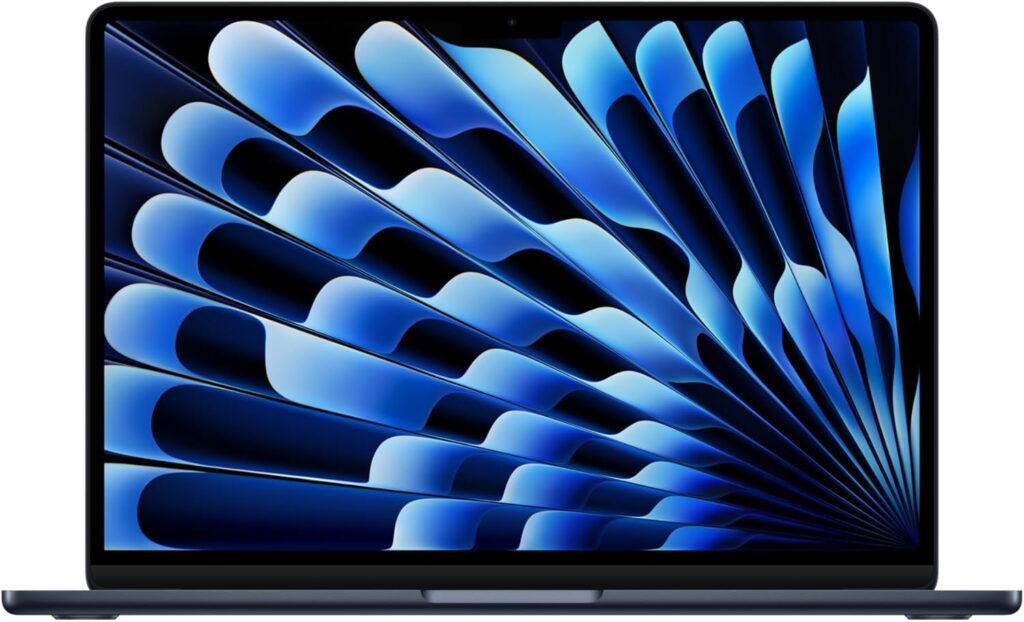
Tech is where carry-on packers can accidentally blow their weight limit. The key is consolidation — one charger that charges multiple devices, one adapter that covers multiple countries.
The Essential Tech Kit


What Most People Pack in Tech That They Don't Need
- A tablet AND a laptop — pick one
- A camera AND a phone — most phone cameras are now excellent; only bring a camera if photography is a specific priority
- Multiple charging cables — one USB-C cable usually handles everything now
- A laptop for a beach vacation — leave it
11
JAN
Documents, Money & Security
Essential Documents
- Passport (valid for 6+ months beyond travel dates — many countries require this)
- Visa if required — check IATA Travel Centre for entry requirements
- Travel insurance confirmation (carry a printed copy)
- Accommodation booking confirmations
- Flight itinerary printed or downloaded offline
Copies: Photograph your passport, insurance documents, and visas. Store in Google Drive or Dropbox — and email copies to yourself and someone at home.
Cards & Money
Wise Debit Card — converts at the real exchange rate, low fees, works in 170+ countries. The single best card for international spending. Free to sign up.
Revolut — similar to Wise with additional features. Free tier works well for occasional travelers.
The rule: carry two cards from two different networks (one Visa, one Mastercard), stored in two separate places. If one is blocked or stolen, you have a backup.
Always pay in local currency when given the DCC (Dynamic Currency Conversion) option — the exchange rate offered is almost always worse than your card’s.
Security Gear
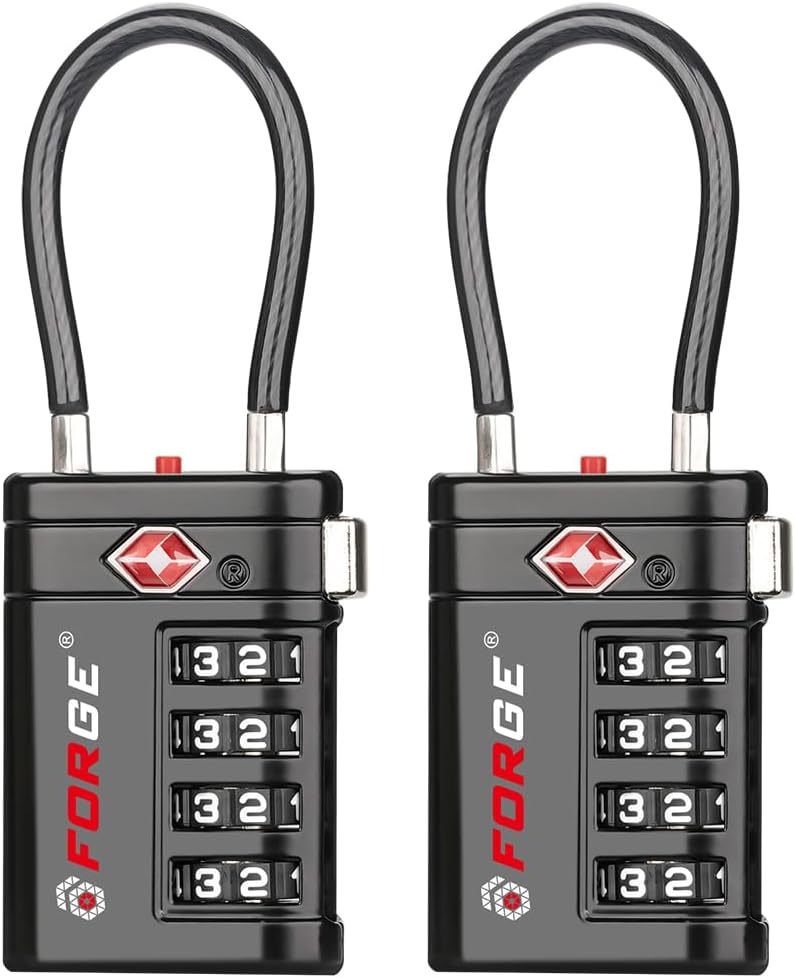
Two locks for your carry-on’s main zips. TSA-compliant so US security can open without destroying them. Required for domestic US flights where bags sometimes get screened.
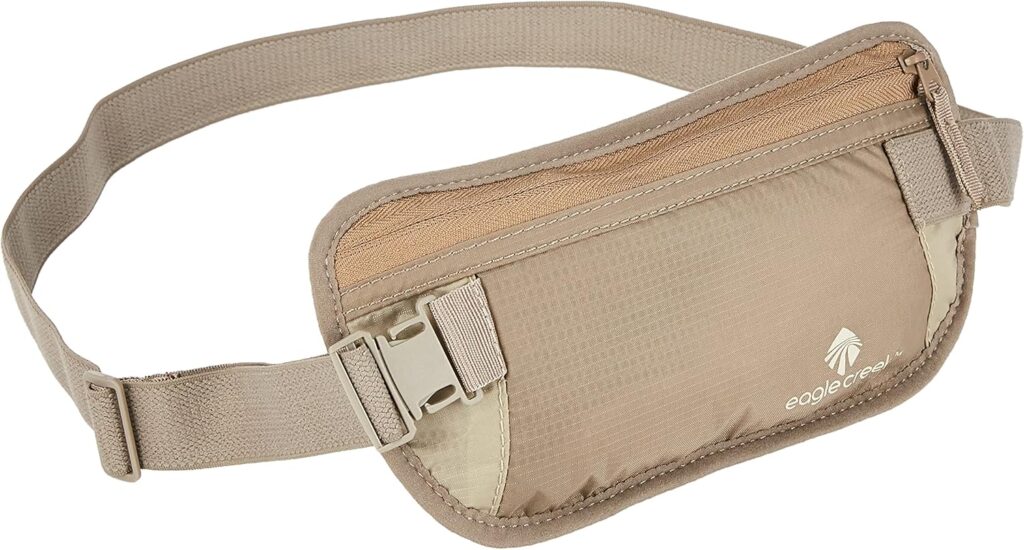
Worn under clothing in busy areas. Keep your backup cash, spare card, and passport copy here — not your daily wallet.
12
JAN
The Ultimate Carry-On Checklist
Use this before every trip. Check off as you pack.
- Carry-on bag (within airline size limits)
- Personal item bag
- Packing cubes (3-4)
- Toiletry bag
- Luggage scale (weigh before leaving)
- TSA lock(s)
- T-shirts / tops (3–5)
- Long-sleeve / layer (1)
- Bottoms (2)
- Underwear (5)
- Socks (4 pairs)
- Packable jacket or warm layer
- Swimwear (if needed)
- Shoes x2
Toiletries
- 1-quart zip-lock bag with 100ml liquids
- Toothbrush + toothpaste
- Deodorant
- Solid shampoo/conditioner bars
- Solid sunscreen or SPF stick
- Razor
- Moisturizer / face wash
- Prescription medications
Tech
- Phone + charger
- Universal adapter
- Power bank (charged)
- Noise-cancelling headphones
- E-reader
- Laptop (if needed)
- Camera + memory card (if needed)
Documents & Money
- Passport (valid 6+ months)
- Visa (if required)
- Travel insurance confirmation
- Accommodation confirmations
- Wise card + backup card
- Cash (local currency if possible)
- Digital copies of all documents
Comfort & Safety
- Neck pillow or Trtl pillow
- Eye mask
- Earplugs
- Mini first aid kit
- Hand sanitizer
- Reusable water bottle (empty through security)
13
JAN
What to Buy at Your Destination
One of the biggest carry-on packing mistakes is over-packing toiletries and heavy supplies “just in case.” Here’s what you can almost always find at your destination and don’t need to pack:
Almost always available (buy there)
- Shampoo, conditioner, body wash
- Sunscreen (though SPF availability varies — bring SPF 50+ if going somewhere tropical where local options are low-SPF)
- Laundry detergent
- Dental floss
- Feminine hygiene products (bring your preferred brand if you’re specific)
- Umbrella (usually cheaper and lighter locally)
- Lightweight clothing if you underestimated the weather
Sometimes available but bring yours
- High-SPF mineral sunscreen
- Insect repellent with DEET (availability is inconsistent in some regions)
- Specific medications
Definitely bring
- High-SPF mineral sunscreen
- Insect repellent with DEET (availability is inconsistent in some regions)
- Specific medications
14
JAN
Common Carry-On Mistakes & How to Avoid Them
Buying a "carry-on" bag without checking your specific airline
bag marketed as carry-on compliant is often sized for US domestic rules. If you’re flying Ryanair, easyJet, Singapore Airlines, or any number of international carriers, it may not fit. Always check the airline’s current policy before flying.
Packing for "what if" scenarios
You don’t need a formal outfit “just in case” unless you have a confirmed formal event. You don’t need four pairs of shoes for five days. You don’t need three sweaters if you’re going somewhere warm. Pack for what you’re actually doing.
Putting heavy items at the top of a backpack
This creates a top-heavy bag that strains your back and tips over constantly. Heavy items (shoes, laptop) go nearest your back at the bottom.
Ignoring the personal item slot
This is free real estate. A 15–17L personal item bag that you use well can effectively double your carry-on capacity. Don’t waste it on a clutch purse.
Packing full-size toiletries
Even if you’re not flying, the liquids rule means full-size bottles take up a third of your toiletry space and most of your liquid allowance. Decant, go solid, or buy at the destination.
Not weighing the bag before leaving
The scale at home is your friend. The scale at the gate is the enemy. Weigh before you leave and adjust. A $10 luggage scale saves you $60+ in gate-check fees every single time.
Bringing a laptop you won't use
A laptop adds 1–1.5kg and takes up significant bag space. If you’re going on a week’s holiday and you know you’ll check your phone for emails, leave the laptop. Your back will thank you.
15
JAN
FAQs
Can I really do carry-on only for 2+ weeks?
Yes. Thousands of full-time travelers do it indefinitely. The key is merino wool fabrics (rewearable without washing), a small laundry strategy (sink wash 1–2 items per day, or find a laundromat once a week), and accepting that you’ll wear the same outfit multiple times. Nobody notices. Nobody cares.
What if my carry-on gets gate-checked on a full flight?
This happens even with compliant bags — planes fill up and flight crew proactively gate-check bags. To minimize the risk: board as early as possible (overhead bin space fills from the front), check-in online early, or pay for priority boarding. If your bag is gate-checked involuntarily, it goes in the hold and is typically returned at the jet bridge when you land.
Can I bring a full-size umbrella?
Airlines don’t count umbrellas against your baggage allowance. So yes, you can carry a full-size umbrella in addition to your carry-on and personal item.
Can I bring a reusable water bottle?
Yes — empty through the security checkpoint, fill on the other side. Many airports now have water refill stations post-security. A filtered bottle like the LifeStraw Go on Amazon is especially useful internationally. LifeStraw website.
What do I do if I buy things while traveling?
Buy a packable tote bag (Baggu on Amazon | Baggu website) and keep it in your bag for shopping days. If you buy too much, ship it home via postal services — often cheaper than airline overweight fees, especially in Asia.
Is there anything I absolutely can't take through carry-on?
TSA prohibited items in carry-on: firearms, ammunition, sharp tools over 7 inches, full-size bottles of liquid (over 100ml), certain sporting equipment, and some chemicals. The full current list is at TSA.gov. Notably, laptops and power banks must travel in carry-on (not checked luggage) due to lithium battery fire risk.
Is travel insurance necessary for carry-on only travelers?
Yes, and arguably more so — because carry-on travelers are often booking last-minute flights, changing plans, and traveling more frequently. SafetyWing is the best option for flexible, long-term travelers; World Nomads for adventure travelers. Don’t skip it.
Final Word: The Carry-On Mindset
The first time you do it — carry-on only for a week, two weeks, longer — something shifts. You land, walk off the plane, and you’re out. No waiting. No anxiety. No carousel staring. You realize everything you thought you needed, you didn’t. And everything you actually needed fit in a 40-liter bag.
The bag gets lighter every trip as you figure out what you actually use. Until one day you’re packing for two weeks in Southeast Asia and the whole thing takes 20 minutes and weighs 7 kilos and you wonder why you ever did it any other way.
Pack light. Travel further.
Ready to Start Planning?
Planning your trip from scratch? Start with our step-by-step guide: How to Plan an International Trip Step-by-Step
Need to nail your budget before you book anything? How to Create a Realistic Travel Budget