All of these factors are things you can research and control before you book. None of them require luck, just knowing what to look for, which is exactly what the rest of this guide covers.

Here’s the truth about accommodation abroad: the vast majority of bookings go completely smoothly. People find their place, check in without a hitch, sleep well, and move on with their trip. But the minority of experiences that don’t go smoothly? They can derail an entire trip — arriving somewhere that doesn’t match the listing, getting scammed out of a deposit, or finding yourself in a neighbourhood that feels genuinely unsafe at night.
The difference between a great booking and a bad one is almost always research, not luck. Once you know what to look for — and what to avoid — booking accommodation abroad becomes one of the most straightforward parts of travel planning. This guide covers everything: which platforms to trust, how to decode reviews, what the red flags look like, and what to do the moment you walk in the door.
When you’re booking a hotel in your home city, a bad experience is annoying. When you’re booking accommodation in a foreign country where you don’t know the area, don’t speak the language fluently, and can’t easily go home if things go wrong — a bad accommodation experience can be genuinely serious.
Safe accommodation abroad isn’t just about physical security, though that matters. It’s also about:
All of these factors are things you can research and control before you book. None of them require luck, just knowing what to look for, which is exactly what the rest of this guide covers.
Before you even open a booking platform, it helps to know which type of accommodation is right for your trip. Different options suit different budgets, travel styles, and safety priorities — and the right choice can make a huge difference to how comfortable and confident you feel.
TYPE | BEST FOR | SAFETY LEVEL | COST RANGE |
|---|---|---|---|
Hotels (branded chains) | First-time travelers, solo trips, business travel | Very high | Mid to high |
Boutique / independent hotels | Couples, travelers wanting character and local feel | High (verify reviews) | Mid to high |
Guesthouses / B&Bs | Budget travelers, those wanting a personal touch | Generally high | Budget to mid |
Hostels | Solo travelers, backpackers, social trips | Good if well-reviewed | Budget |
Airbnb / private rentals | Families, longer stays, groups, self-catering | Varies by host | Budget to high |
Vacation rentals (VRBO etc.) | Families, groups, longer stays | Varies — vet carefully | Mid to high |
Couchsurfing / free stays | Experienced travelers with strong social vetting | Requires careful vetting | Free |
Branded hotel chains (think Marriott, Hilton, Hyatt, IHG, and their budget sub-brands) are generally the safest, most predictable accommodation option when traveling abroad for the first time. They have standardized safety procedures, 24-hour front desks, insurance, fire safety compliance, and clear booking terms. You know what you’re getting before you arrive.
That doesn’t mean they’re always the best choice — just that they carry the least risk of unpleasant surprises. Independent boutique hotels and well-reviewed guesthouses are often wonderful too, and frequently offer a more authentic local experience. The key is that any independent property should have a strong, verified review history before you book.
Hostels have an unfair reputation for being sketchy. A well-reviewed hostel in a major city is typically extremely safe — often with lockers for valuables, 24-hour reception, secure key card access, and a welcoming community of travelers. They’re ideal for solo travelers who want to meet people, and the social atmosphere can make an unfamiliar city feel much less isolating.
The key word is well-reviewed. A hostel with 9+ on Hostelworld or Booking.com and hundreds of recent reviews has earned that score. A hostel with a handful of reviews and a low score is worth avoiding no matter how cheap it is.
One of the easiest ways to reduce your chances of ending up in an unsafe, dirty, or misleading accommodation is simply booking through platforms that have built their reputation on verified guest reviews, secure payment systems, and established customer support. While no booking site is perfect, some platforms consistently do a better job than others when it comes to transparency, property verification, and giving travelers the tools they need to make informed decisions.
Whenever I’m researching accommodation anywhere in the world, I rarely rely on just one website. Instead, I cross-check multiple platforms, compare reviews, look at recent guest photos, and pay close attention to cancellation policies, host responsiveness, and overall consistency. Below are some of the most trusted booking platforms worth using before you commit to your next stay.

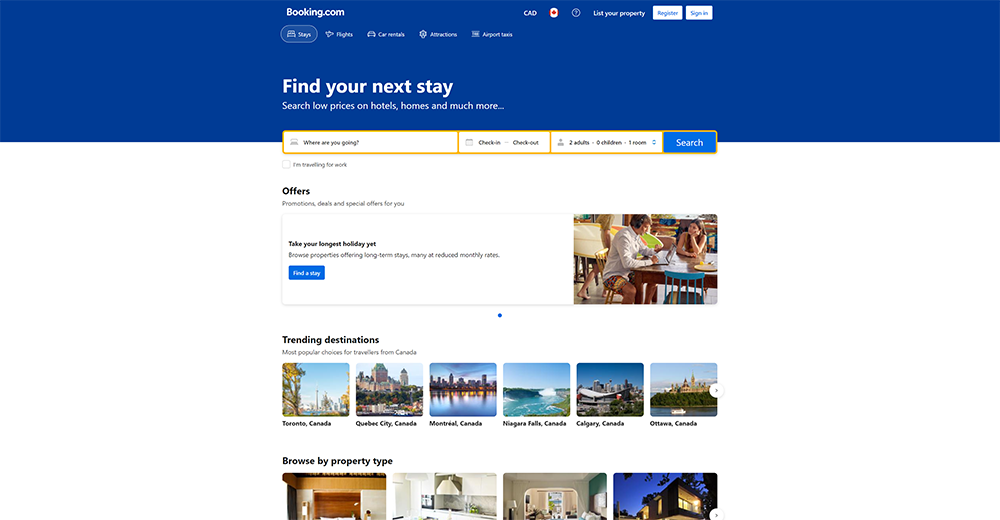
If you’re traveling internationally and want the widest selection of accommodation options in one place, Booking.com is one of the best platforms to start with. From luxury resorts in the Caribbean to budget guesthouses in Southeast Asia, boutique riads in Morocco, safari lodges in Africa, city apartments in Europe, and family villas in Canada, the platform covers almost every type of stay imaginable. Booking.com says it lists over 28 million accommodation listings worldwide.
What makes it especially useful for safety-conscious travelers is the depth of information available before you book. I always recommend reading the most recent reviews first, looking specifically for comments about neighborhood safety, cleanliness, noise levels, and how accurately the listing matches reality. Booking.com also makes it easy to filter for 24-hour reception, airport transfers, family-friendly properties, and free cancellation—features that can make a huge difference when arriving somewhere unfamiliar.

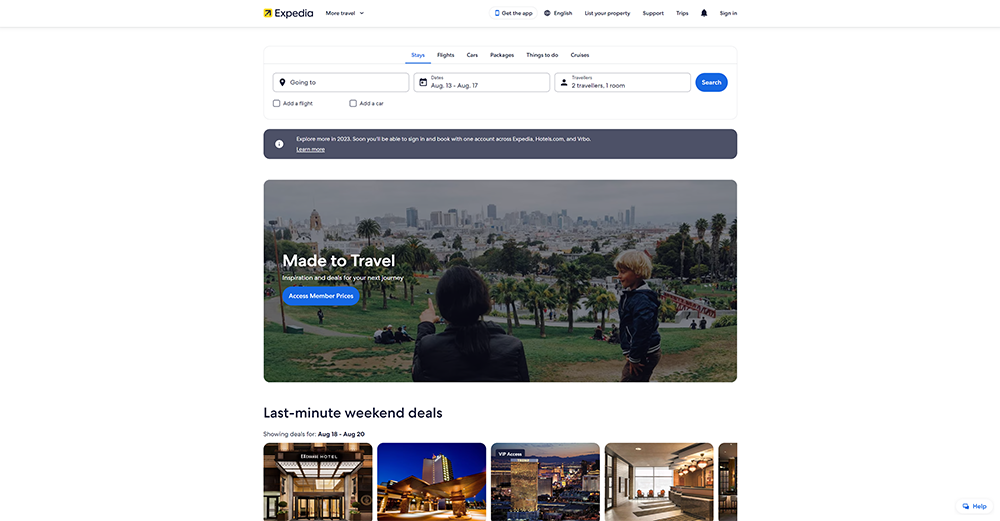
If you’re booking a traditional hotel, all-inclusive resort, or family vacation rental, Expedia is another platform I trust. Expedia Group gives travelers access to hotels, vacation rentals, and partner brands like Vrbo, making it especially useful for families, longer stays, and travelers who want everything organized in one place. Expedia’s affiliate program highlights access across its global travel brands and tools for partners.
When using Expedia, I always encourage readers to compare room types carefully, read the cancellation details, and pay close attention to recent guest comments about service, maintenance, and neighborhood convenience. It’s a great platform for travelers who want a little more structure and brand consistency.

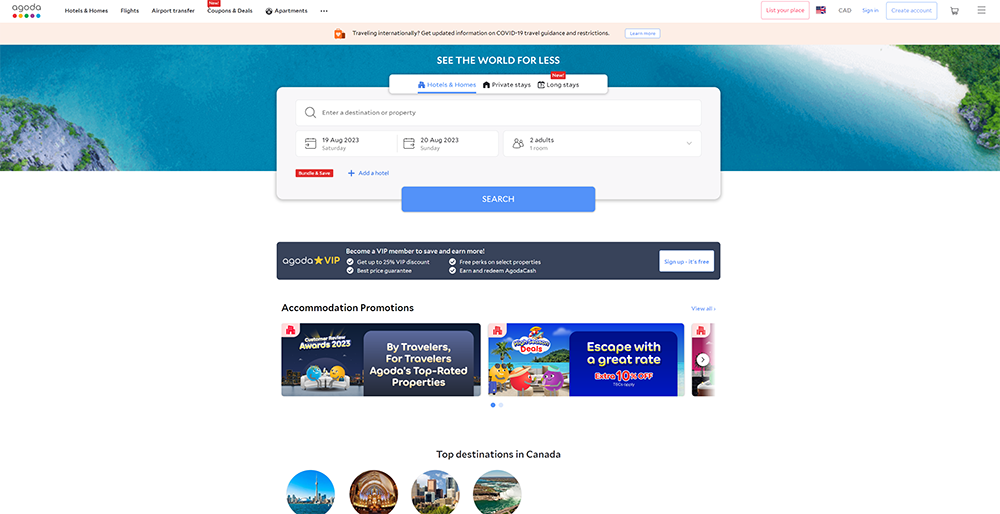
If you’re planning a trip through Asia, Agoda often has some of the best inventory and pricing available, especially in places like Thailand, Japan, Vietnam, Indonesia, and South Korea. Agoda specializes in hotels, apartments, guesthouses, and city stays, and it’s particularly strong for travelers who are booking multiple short stays across one region.
For safety, I always suggest looking beyond the star rating and digging into recent reviews from travelers who mention neighborhood walkability, transportation access, and how the property handles late check-ins or language barriers. Agoda is part of Booking Holdings, which gives it strong global infrastructure.

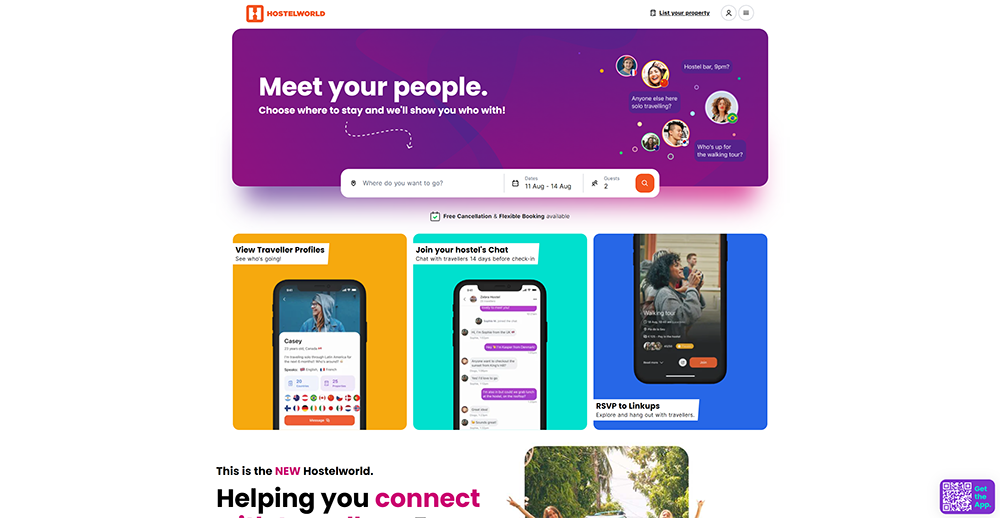
If you’re backpacking, traveling solo, or looking for budget accommodation with a social atmosphere, Hostelworld is hard to beat. The platform focuses specifically on hostels, shared dorms, and affordable private rooms designed for younger and independent travelers.
What I love about Hostelworld is how detailed the community reviews can be. Travelers often leave honest feedback about neighborhood safety, late-night security, locker availability, female-only dorms, social atmosphere, and staff helpfulness. When booking hostels, I always recommend reading the lowest reviews—not just the highest—because that’s often where the real red flags show up.

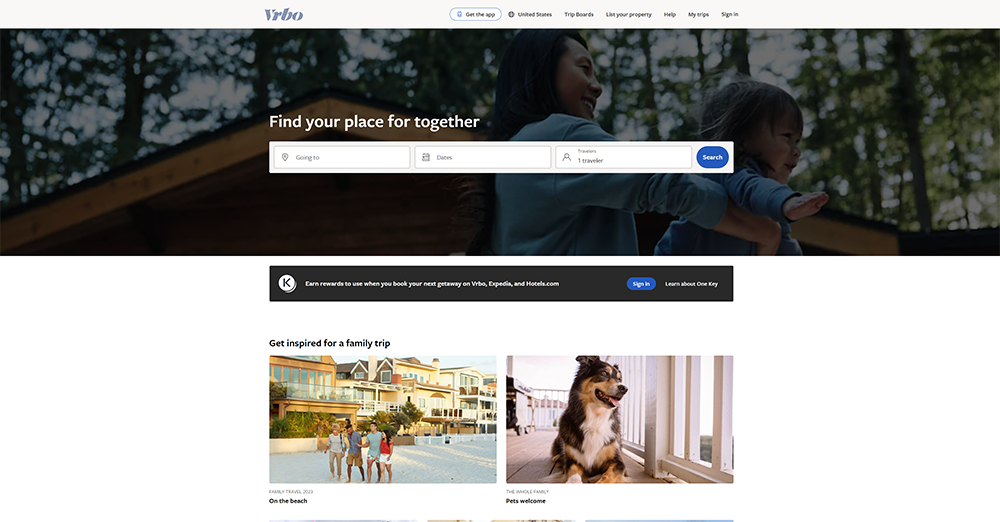
If you’re traveling with kids, friends, or planning an extended stay, Vrbo is one of my favorite platforms for entire homes, cottages, cabins, and vacation rentals. Because Vrbo focuses on whole-property rentals, it can feel much safer and more comfortable for families who want privacy, kitchen access, and extra space.
When booking vacation rentals, I always tell readers to pay close attention to host communication, check-in instructions, neighborhood reviews, and recent guest photos. The best listings usually have consistent reviews over many months, clear house rules, and hosts who respond quickly.
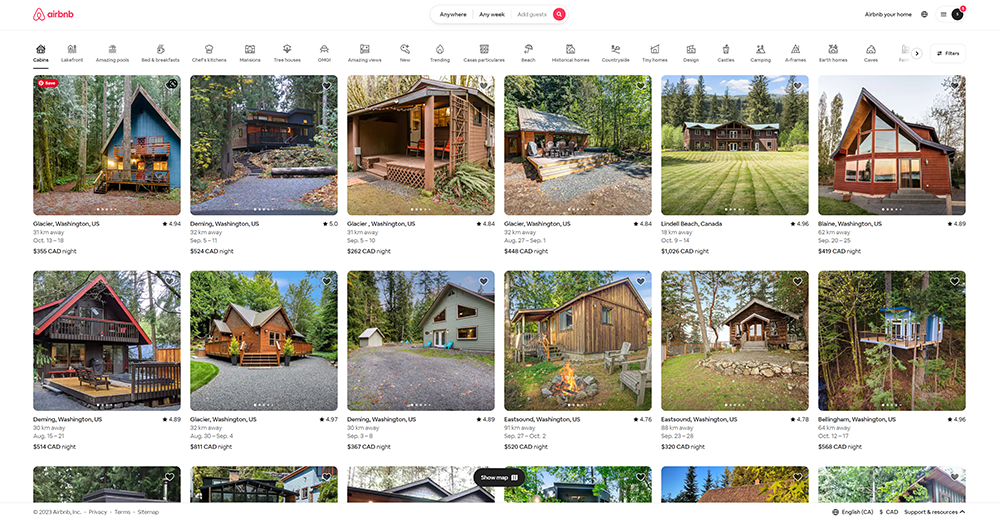
If you’re looking for something more unique—whether that’s a mountain cabin, farm stay, treehouse, tiny home, or locally hosted apartment, Airbnb can open up some incredible travel experiences.
That said, because listings are individually managed, I recommend being extra thorough before booking. Read every review, check how long the host has been active, verify the cancellation policy, and compare guest photos with the listing photos. The safest Airbnb experiences usually come from Superhosts with a long track record and dozens of recent reviews.
If consistency, professional standards, and peace of mind matter to you, booking with a major international hotel brand can be one of the safest choices anywhere in the world. Unlike independently owned properties, global hotel chains typically follow strict brand standards for cleanliness, security, staff training, maintenance, and guest services. Whether you’re arriving late at night in an unfamiliar city, traveling solo for business, or checking in with young children after a long-haul flight, that level of predictability can make all the difference.
Another major advantage is loyalty programs. Many of the world’s largest hotel brands reward frequent travelers with perks like free nights, room upgrades, early check-in, late checkout, complimentary breakfast, airport transfers, and member-only pricing. Even if you only travel a few times a year, sticking with one or two trusted hotel brands can help you build points while knowing exactly what kind of experience to expect










No matter which platform you choose, remember this: the safest accommodation usually isn’t the cheapest or the flashiest — it’s the one with consistent recent reviews, transparent communication, realistic photos, and a long track record of happy guests.
Reviews are your most powerful tool for vetting accommodation abroad — but only if you know how to read them. A 9.2 score looks great, but a pattern of comments mentioning thin walls, unhelpful staff, or safety concerns buried under praise tells a completely different story.
As a general rule: fewer than 20 reviews means you don’t have enough data to trust the score reliably. Between 20 and 100 reviews gives you a reasonable picture. Over 100 reviews — especially with a consistently high score — is a strong signal of a reliably good property. The more reviews, the harder it is to manipulate the overall score.
Be especially wary of new listings with very few reviews, even if those few reviews are glowing. New properties aren’t necessarily bad, but they carry more uncertainty — and if you’re traveling to an unfamiliar destination, that uncertainty adds unnecessary risk.
Always read the most recent reviews first. A hotel with a 9.0 average built over five years may have dropped to a 7.5 in the last six months as management changed, renovations created disruption, or standards slipped. Recent reviews reflect current reality. Older reviews reflect what the property used to be.
Positive reviews tell you what went right. Negative reviews tell you what could go wrong for you. Look for patterns rather than one-off complaints — a single review mentioning a noisy room might be bad luck; ten reviews mentioning noise means it’s a real issue. Pay particular attention to comments about cleanliness, staff responsiveness, safety, and whether the property matched its listing photos.
A property that’s perfect for a business traveler may be terrible for a solo backpacker, and vice versa. Many platforms let you filter reviews by traveler type — solo, couple, family, group. Seeking out reviews from people with a similar travel style to yours gives you much more relevant information about whether the place will actually work for you.
Accommodation scams are less common than many travelers fear, but they do exist — particularly in high-demand tourist destinations and on less-regulated platforms. Knowing what they look like makes them easy to avoid.
A beautiful room in an unsafe neighbourhood is not a safe booking — it’s just a comfortable starting point for a stressful trip. Location is one of the most important factors in accommodation safety abroad, and it’s something you can research thoroughly before you commit to anything.
Every city has neighbourhoods that are genuinely welcoming to tourists and areas that require extra caution, especially at night. Read recent travel forum posts on Reddit (r/travel, r/solotravel), TripAdvisor forums, or destination-specific Facebook groups where real travelers share current safety information. These sources are far more current than guidebooks, which can be years out of date.
Don’t rely solely on the booking listing’s description of its location. Properties have an obvious incentive to present their neighbourhood positively — independent research gives you a more accurate picture.
Drop the pin on your prospective accommodation and explore the surrounding area in Street View. Look at what’s nearby — restaurants, pharmacies, public transport stops, well-lit streets. Check the distance to the places you’re planning to visit. A hotel that’s technically “central” might still require a 30-minute night-time walk through an unfamiliar area to reach your restaurant.
Also look at the property’s proximity to public transport. Being able to get back to your accommodation easily at night — via metro, tram, or a short taxi ride — is a practical safety consideration that many travelers overlook until they’re standing on a dark street corner at midnight trying to orient themselves.
This is rarely something first-time travelers think to check, but it’s worth knowing: how close is the nearest hospital or clinic to your accommodation? For longer trips or destinations with higher health risk considerations, knowing that a hospital is 10 minutes away rather than 45 minutes can matter a great deal in an emergency.
Your very first night in a new country deserves extra thought when it comes to location. Arriving tired and disoriented after a long flight is not the time to navigate an unfamiliar transit system to a distant part of the city. For your first night abroad — especially if arriving late — consider accommodation that’s closer to the airport or central enough to reach easily, even if it’s slightly pricier than your usual budget.
Booking terms are something most travelers skim over — and it’s often only when they need to cancel or modify a booking that they realise they’ve agreed to conditions they didn’t fully read. Understanding cancellation policies before you book is a small investment of time that can save a significant amount of money.
If you’re booking non-refundable accommodation to save money, travel insurance with trip cancellation coverage is not optional — it’s essential. A medical emergency, a flight cancellation, or a family situation could leave you unable to travel, and a non-refundable booking without insurance means simply losing that money entirely.
Travel insurance is covered in more detail in other Somewhere Overseas guides, but the short version: always have it, and always check that your policy covers accommodation cancellation for the specific reasons you might need to cancel — not all policies cover everything.
How you pay for accommodation abroad matters more than many travelers realise. The right payment method gives you fraud protection, dispute resolution rights, and a paper trail. The wrong one — or the wrong platform — can leave you with no recourse if something goes wrong.
Credit cards offer the best protection for accommodation bookings abroad. Most credit card companies have chargeback policies that allow you to dispute fraudulent or unfulfilled charges — meaning if you pay for accommodation that turns out not to exist, or that is fundamentally different from what was advertised, you have a formal dispute process available to you.
Debit cards offer far weaker protection in most countries. Once money leaves a debit account, recovering it through your bank is significantly harder than disputing a credit card charge. If you don’t currently have a travel credit card, getting one before your first international trip is worth considering.
Bank wire transfers, Western Union, MoneyGram, and cryptocurrency payments offer no buyer protection whatsoever. Once the money is sent, it cannot be recalled if the booking is fraudulent. No legitimate hotel, guesthouse, hostel, or Airbnb host should ever ask you to pay via these methods. If they do — that’s your answer. Walk away.
Many properties and private rentals request a security deposit, payable on arrival, which is refunded when you check out without damage. This is normal and legitimate — but make sure the process is clear before you book. Ask: how is the deposit taken? How quickly is it refunded? Under what circumstances can it be withheld? A legitimate property will have clear, documented answers to all of these questions.
Airbnb and similar private rental platforms can be fantastic for international travel — they offer more space, self-catering facilities, and a local neighbourhood experience that hotels simply can’t replicate. But they require more careful vetting than a branded hotel, because quality and safety vary much more from listing to listing.
Airbnb has built significant safety infrastructure into its platform. All payments go through Airbnb — hosts never receive money directly, which protects both parties. Airbnb holds the payment for 24 hours after check-in before releasing it to the host, giving guests time to flag issues. If the property is significantly different from the listing, Airbnb’s resolution centre can step in and arrange a refund or rebooking.
That said, Airbnb’s protection is only as effective as the evidence you provide. Photograph everything the moment you arrive, document any issues in the Airbnb app immediately, and communicate with your host through the platform rather than via private message or WhatsApp — keeping a record of all communication is important if a dispute arises.
Most Airbnb hosts are responsive and happy to answer questions before you confirm. Asking questions also gives you a sense of how communicative and helpful the host will be if something goes wrong during your stay. Good questions to ask include: what’s the exact address? Is there a keypad or key exchange on arrival? Is the neighbourhood safe to walk around at night? Is there reliable Wi-Fi? Are there any building rules I should know about?
A host who responds quickly, provides clear answers, and is helpful in tone before you’ve even booked is a host who’s likely to be helpful if you need them during your stay.
You’ve booked carefully, researched thoroughly, and arrived at your accommodation. There are still a few things worth checking in those first few minutes that can save you serious problems later.
Even careful, well-researched bookings occasionally run into problems. The accommodation isn’t as described, there’s an issue with the room, the host is unresponsive, or something isn’t safe. Here’s how to handle the most common scenarios calmly and effectively.
This is the most common issue with private rentals and occasionally with independent hotels. If you arrive and the property is significantly different from what was advertised — different size, different condition, different location, amenities missing — document everything with photos and videos immediately. Contact your host or the front desk to flag the discrepancy, and then contact the booking platform’s customer service.
On Airbnb, you must report the issue within 24 hours of check-in to be eligible for AirCover guest protection. On Booking.com, contact their customer service line directly. Act fast — the longer you wait, the harder disputes become.
If your room feels genuinely unsafe — a lock that doesn’t work, a door that can be pushed open, an unsafe electrical situation — this is not something to quietly put up with. Inform reception immediately and request a different room. If they cannot resolve the issue, you are entitled to check out and seek alternative accommodation. Document everything and pursue a refund through the platform.
Your physical safety is non-negotiable. A booking platform’s customer service team would far rather help you relocate than have you stay somewhere unsafe — they don’t want the liability either.
If you’re locked out, there’s an urgent maintenance issue, or you simply cannot reach anyone — escalate to the platform immediately. Every major booking platform has an emergency contact line specifically for situations where a guest cannot reach the property. Keep the platform app on your phone for exactly this reason.
If you need to check out early — whether due to safety, illness, or a problem with the property — notify the property in writing and keep a copy. Check your booking’s cancellation policy for whether you’re entitled to a partial refund for unused nights. If you’re leaving due to a safety or quality issue, the platform may be able to support a claim for compensation on remaining nights even if the standard policy is non-refundable.
Yes — Airbnb is generally safe when you book verified Superhost listings with a strong review history. Read recent reviews carefully, confirm the listing address independently, communicate with the host through the platform before booking, and never pay outside the Airbnb system. Airbnb’s guest protection (AirCover) covers significant misrepresentations if reported within 24 hours of check-in.
Always pay through an established platform using a credit card. Credit cards offer the strongest chargeback protection if a booking turns out to be fraudulent or the property is significantly misrepresented. Never pay via bank wire transfer, Western Union, or cryptocurrency — these offer no buyer protection and are almost exclusively used in accommodation scams.
Key red flags: prices significantly below market rate for the area, requests to pay outside the platform, very few or no reviews on a new listing, stock photos used as property images (run a reverse image search), vague address details that the host won’t confirm before payment, and hosts who are evasive or push for urgency. Verify the property exists independently on Google Maps before booking anything that feels off.
Always book at least your first night in advance — ideally the first two or three nights. Arriving in an unfamiliar country without accommodation arranged, especially late at night, adds unnecessary stress and vulnerability. Once you’re settled and oriented, you can be much more flexible about booking later nights spontaneously if you prefer that style of travel.
Test the door lock immediately. Locate fire exits before unpacking. Check window security on ground and low floors. Photograph any existing damage and report it right away. Save the front desk or host contact number in your phone. Check valuables storage options. Verify the Wi-Fi works. Know the local emergency number.
Yes — well-reviewed hostels are generally very safe for solo travelers and often have better social infrastructure (lockers, 24-hour reception, common areas) than some budget hotels. Use Hostelworld and filter by overall rating above 8.5 with a meaningful number of reviews. Read reviews specifically about security and staff helpfulness. The worst-reviewed hostels are worth avoiding; the best-reviewed ones are genuinely excellent.
Photograph and video everything immediately on arrival. Report the discrepancy to the host or front desk in writing first, then escalate to the booking platform’s customer service. On Airbnb, you must report within 24 hours of check-in to be covered by AirCover. On Booking.com, contact their support line directly. Document everything before accepting any offered solution.
Yes — travel insurance covers far more than just accommodation cancellations. Medical emergencies abroad, baggage loss, flight cancellations, emergency evacuations, and liability coverage are all things that accommodation refund policies cannot help with. Travel insurance is worth having on every international trip regardless of your cancellation policy type.
The travelers who consistently have great accommodation experiences abroad aren’t just fortunate — they’ve developed a process. They use trusted platforms. They read reviews critically rather than just checking the score. They verify locations independently. They book with cancellation flexibility when their plans are still forming. And when they arrive, they spend five minutes checking the basics before they start enjoying the trip.
None of it is complicated. It’s just a habit of being thorough before you hand over your money and your comfort to an unfamiliar property in an unfamiliar place. Build that habit, and you’ll be amazed how smoothly every trip unfolds — because the accommodation piece, the foundation everything else rests on, will always be solid.
Now go find somewhere wonderful to stay. The world is full of incredible places to sleep. ✈️🌍