Africa is not a country—it’s a continent of 54 countries, over 1.4 billion people, and thousands of languages, landscapes, and cultures. If you’re planning a trip to Africa, understanding the continent’s regional diversity is the first step to making your travel unforgettable.
In this guide, we’ll walk you through the five main regions of Africa, what makes each one unique, and how to approach your travels with a well-informed perspective.
Africa is commonly divided into five subregions, each with its own climate, culture, and travel appeal.
The ancient world meets the desert.
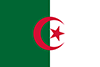
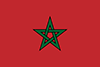
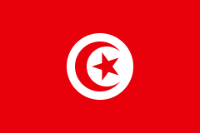
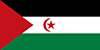
Northern Africa is where history hits you like a wall — in the best way. Pyramids, Roman ruins, medieval medinas, and the largest hot desert on the planet. Arabic and Berber languages dominate, Islamic culture shapes daily life, and the architecture alone is worth the flight.
History buffs, architecture lovers, desert trekkers, budget travelers.
Don’t miss: A night in the Sahara under the stars — one of the most surreal experiences in travel.
October – April (avoid summer heat)
Safari country. The one everyone pictures.
East Africa is the region that defines “Africa” in most people’s minds — and for good reason. The Great Migration, Kilimanjaro, Zanzibar’s white-sand beaches, gorilla trekking in Rwanda, and ancient walled cities on the Swahili Coast. It’s the continent’s most visited region and its most diverse in terms of landscape.
Wildlife safaris, mountain trekking, beach holidays, cultural immersion.
June – October for safaris; December – February for the short dry season
The most accessible. The most jaw-dropping landscapes.
Southern Africa is where first-time visitors often land — and where many travelers return for a second and third trip. It combines world-class infrastructure with some of the continent’s most dramatic scenery: the Cape Winelands, Victoria Falls, the Okavango Delta, and one of the world’s great coastal drives.
First-time Africa visitors, road trippers, safari + beach combinations, adventure travel.
Don’t miss: The Garden Route — one of the most beautiful coastal drives in the world.
May – October (dry season, best for wildlife viewing)
Untamed. Raw. Not for the faint-hearted — but unforgettable.
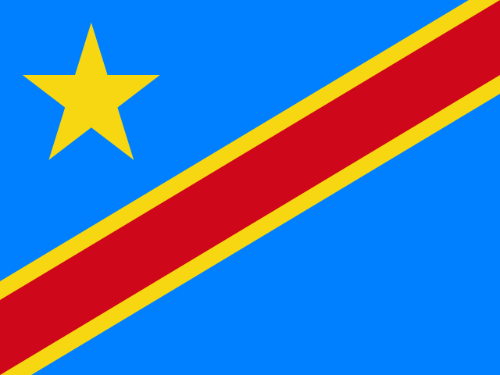
Central Africa is the continent’s wild frontier. Dense equatorial rainforest, the Congo River, volcanic highlands, and some of the rarest wildlife on Earth. It’s logistically challenging and not the right fit for every traveler, but for those who go: nothing else compares.
Adventure travelers, wildlife researchers, off-the-beaten-path seekers
June – September (drier season, easier access)
The most culturally alive region on the continent.
West Africa doesn’t get the tourism numbers it deserves. It’s loud, colorful, layered in history, and has a music scene that’s influenced the entire world. From the slave forts of Ghana to the chaotic energy of Lagos to the sacred voodoo ceremonies of Benin — this region rewards curious, open-minded travelers.
Cultural immersion, history, music, markets, and travelers who want something different.
November – March (cooler, drier)
Africa has over 3,000 ethnic groups and more than 2,000 spoken languages — more linguistic diversity than any other continent. These aren’t museum pieces. They’re living, active cultures that shape how people dress, eat, celebrate, and see the world.
Afrobeats, Highlife, Gqom, soukous, mbalax, gnawa — Africa’s musical exports have reshaped global pop. When you travel here, you’re hearing the source.
Planning an African trip isn’t one-size-fits-all. Your experience will vary drastically depending on where you go.
By understanding the regional differences, you can create an itinerary that aligns with your interests, budget, and travel style.